Master Your Competitive Advantage

In today's hyper-competitive marketplace, businesses face a constant battle for survival and growth. The landscape is ever-shifting, driven by technological advancements, evolving consumer demands, and aggressive new entrants. In this dynamic environment, merely existing is not enough; sustained success hinges on possessing a distinct competitive advantage. This fundamental concept describes what makes a company, product, or service superior to its rivals, allowing it to generate greater value for customers and ultimately, achieve higher profitability and market share.

Understanding what truly differentiates your offering is the first step towards building a resilient and thriving enterprise. It's not just about having a good product or service; it's about having something that is difficult for competitors to imitate, substitute, or surpass. This unique positioning can stem from a variety of sources, ranging from superior technology to unparalleled customer service, or even an exceptionally efficient operational model.

The pursuit of competitive advantage is not a one-time task but an ongoing strategic imperative. Companies must continuously analyze their environment, assess their strengths, and innovate to maintain their edge. Failing to do so risks falling behind, becoming commoditized, and eventually losing relevance in the eyes of the consumer.

This article will delve deep into the essence of competitive advantage, exploring its various forms, how to identify and build it, and crucially, how to sustain it in an increasingly volatile world. By mastering these principles, businesses can not only survive but truly flourish, creating lasting value for themselves and their stakeholders.
What is Competitive Advantage?

At its core, a competitive advantage is anything that allows a firm to operate more effectively than its competitors. It enables a business to deliver superior value to customers or produce its goods or services at a lower cost, or both. This superiority translates into higher profits, greater market share, and long-term viability. It's the unique set of capabilities, resources, or market positioning that sets a company apart and provides it with a distinct edge.
This advantage is not static; it's influenced by external market forces, technological shifts, and the actions of competitors. Therefore, a firm's ability to identify, build, and continuously renew its competitive edge is paramount for enduring success. Without a clear differentiator, a company risks becoming a commodity, forced to compete solely on price, which often leads to reduced margins and financial strain.

Sources of Competitive Advantage
A competitive advantage can arise from various aspects of a business. These typically fall into a few key categories:

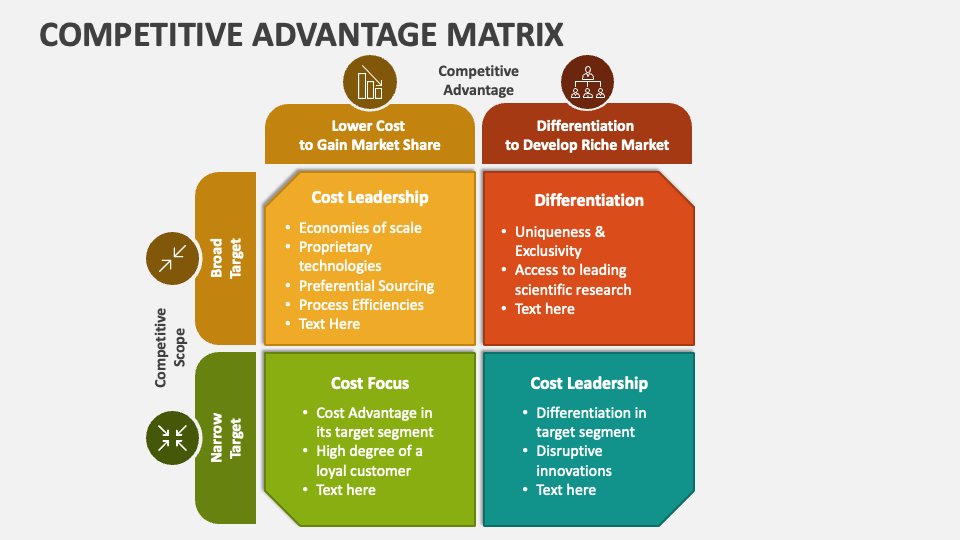
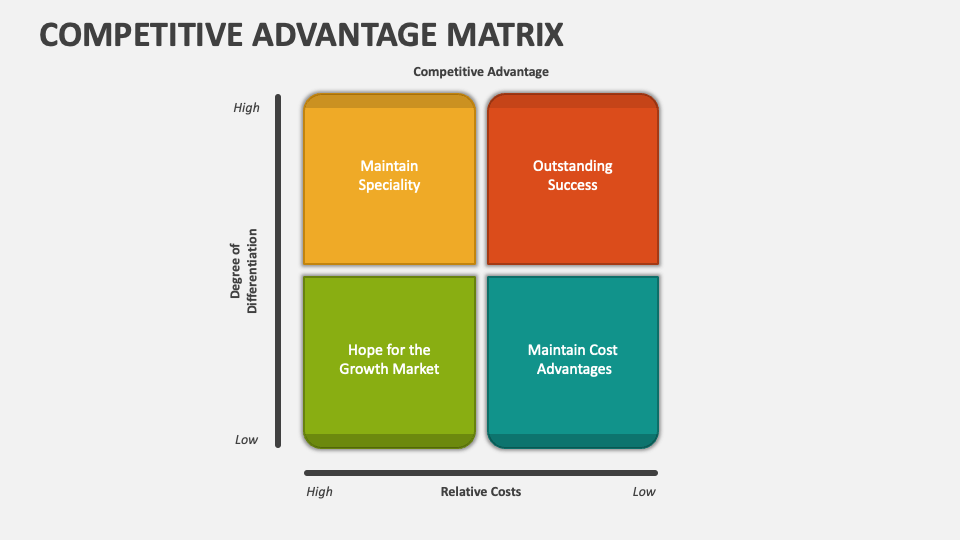
- Cost Leadership: The ability to produce goods or services at a lower cost than competitors, allowing for either lower prices to gain market share or higher profit margins at competitive prices.
- Differentiation: Offering unique products or services that are perceived as superior by customers, justifying a premium price. This can be based on quality, innovation, brand image, customer service, or design.
- Niche/Focus: Concentrating on a specific segment of the market and tailoring products or services to meet the unique needs of that segment better than broad-market competitors. This strategy often leverages either cost leadership or differentiation within a narrow scope.
Identifying Your Unique Competitive Advantage
Understanding what truly makes your business special requires a systematic approach. It's not always immediately obvious, and often involves looking both internally at your capabilities and externally at the market and your competitors.
Analyzing Internal Strengths and Resources
Begin by looking inward. What are your company's core competencies? Do you have proprietary technology, unique intellectual property, or specialized knowledge? Consider your human capital—do you have highly skilled employees or a particularly strong company culture? Your assets, processes, and even your location can be sources of strength.
Understanding Customer Needs and Value Perception
A competitive advantage only truly exists if it translates into value for your customers. What problems do you solve for them better than anyone else? What makes them choose you over alternatives? Conduct thorough market research, gather customer feedback, and analyze purchasing behaviors to understand what customers truly value and where your offerings align or exceed their expectations.
Competitor Analysis
Thoroughly examine your competitors. What are their strengths and weaknesses? How do they differentiate themselves? By understanding their strategies and market positioning, you can identify gaps in the market, areas where you can outperform them, or even opportunities to disrupt the status quo. This involves looking beyond direct competitors to substitute products or services as well.
Leveraging Strategic Frameworks
Several established strategic frameworks can help pinpoint your competitive advantage:
- SWOT Analysis: Identifies your internal Strengths and Weaknesses, and external Opportunities and Threats. Strengths that capitalize on opportunities often indicate potential competitive advantages.
- Porter's Five Forces: Analyzes the intensity of competition within an industry, including the threat of new entrants, the bargaining power of buyers and suppliers, the threat of substitute products, and rivalry among existing competitors. Understanding these forces helps identify attractive positions to build advantage.
- Value Chain Analysis: Breaks down a company's activities into primary (e.g., inbound logistics, operations, marketing) and support activities (e.g., human resources, technology development). By analyzing how each activity adds value and where efficiencies can be gained, you can uncover sources of cost advantage or differentiation.
Strategies for Building a Sustainable Competitive Advantage
Once identified, a competitive advantage needs to be actively built and nurtured. This requires continuous investment and strategic decision-making.
Innovation and Technology
Investing in research and development (R&D) and embracing new technologies can lead to proprietary products, more efficient processes, or entirely new market offerings. Being first to market with a superior solution or continuously improving existing ones can create a significant lead that competitors struggle to bridge. This could involve developing patented software, unique manufacturing techniques, or advanced data analytics capabilities.
Brand Building and Reputation
A strong brand evokes trust, loyalty, and a perception of quality that often allows for premium pricing. Building a powerful brand involves consistent messaging, delivering on promises, and fostering positive customer experiences. A stellar reputation, built over time through ethical practices and consistent performance, can be an almost insurmountable barrier to entry for new competitors.
Operational Excellence and Efficiency
Achieving a cost advantage often stems from superior operational efficiency. This includes streamlining processes, optimizing supply chains, implementing lean manufacturing principles, and leveraging automation. Companies like Walmart or Amazon are masters of operational excellence, allowing them to offer highly competitive prices or unparalleled delivery speeds.
Superior Customer Experience
In an age where products can be easily replicated, the customer experience often becomes the ultimate differentiator. Providing exceptional service, personalized interactions, and seamless support can foster deep customer loyalty, turning customers into advocates. This intangible asset is incredibly difficult for competitors to imitate, as it requires a specific culture and dedication across the entire organization.
Strategic Partnerships and Ecosystems
Collaborating with other businesses, suppliers, or even competitors can create synergistic advantages. This might involve joint ventures for product development, exclusive distribution agreements, or building an ecosystem around your product or service that locks in customers and creates network effects. Think of how app developers enhance the value of smartphone platforms.
Sustaining Your Competitive Advantage in a Dynamic World
Building a competitive advantage is challenging, but sustaining it is arguably even harder. Markets are constantly evolving, and what provides an edge today may be commoditized tomorrow.
Continuous Improvement and Adaptability
Complacency is the enemy of sustained advantage. Businesses must foster a culture of continuous improvement, constantly seeking ways to enhance their products, services, and processes. This includes regularly evaluating market trends, technological advancements, and shifts in customer preferences. Adaptability and the willingness to pivot or even disrupt one's own business model are crucial.
Protecting Intellectual Property
If your competitive advantage stems from unique technology or creative works, actively protecting your intellectual property through patents, trademarks, and copyrights is essential. This creates legal barriers to imitation and ensures you can exclusively leverage your innovations.
Investing in Talent and Culture
Your people are often the most valuable asset and a source of inimitable advantage. Investing in employee development, fostering a positive work environment, and attracting top talent ensures you have the expertise and creativity to innovate and execute superior strategies. A strong, distinctive company culture can also be a significant barrier to imitation.
Strategic Reinvestment
Profits generated from your competitive advantage should be strategically reinvested back into the business to strengthen existing advantages or develop new ones. This could mean reinvesting in R&D, brand marketing, infrastructure upgrades, or employee training. This cyclical process of gaining advantage, generating profits, and reinvesting is key to long-term sustainability.
Measuring and Leveraging Competitive Advantage
Identifying and building your competitive edge is only part of the equation; you must also effectively measure its impact and leverage it to achieve strategic goals.
Key Performance Indicators (KPIs)
Track metrics that directly reflect your competitive standing. If your advantage is cost-based, monitor production costs, efficiency rates, and pricing elasticity. If it's differentiation, focus on customer satisfaction scores, brand perception, market share in premium segments, and customer retention rates. Consistently analyzing these KPIs provides insights into the effectiveness and sustainability of your advantage.
Strategic Decision-Making
Your competitive advantage should inform all major strategic decisions, from product development and market entry to pricing and marketing campaigns. For instance, if your advantage is superior customer service, your marketing efforts should highlight this, and your training programs should reinforce it. If it's cost leadership, every operational decision should prioritize efficiency.
Communication and Storytelling
Effectively communicate your competitive advantage to your target audience. This is not just about advertising; it's about weaving your unique value proposition into your brand narrative, sales pitches, and customer interactions. Help customers understand why you are the better choice and how your unique offerings benefit them.
Conclusion
Mastering your competitive advantage is not merely a theoretical exercise; it is the cornerstone of enduring business success. In a world characterized by constant change and intense competition, the ability to identify, cultivate, and relentlessly defend what makes your business unique is paramount. From achieving unparalleled cost efficiency to delivering an inimitable customer experience, your competitive edge defines your position in the market and determines your long-term viability.
It demands an introspective look at your internal capabilities, a keen understanding of customer needs, and a vigilant awareness of the competitive landscape. Furthermore, it requires a commitment to continuous innovation, strategic investment, and a culture that embraces adaptability. By consistently evolving and reinforcing your unique strengths, you can not only survive but truly thrive, carving out a distinctive and profitable niche that stands the test of time. Embrace the journey of mastering your competitive advantage, and you will unlock sustainable growth and lasting success.