Marketing Automation Platform Your Growth Engine

In today's hyper-competitive digital landscape, businesses are constantly seeking innovative ways to connect with their audience, streamline operations, and drive sustainable growth. Manually managing every customer interaction, email campaign, and lead nurturing sequence becomes an insurmountable task as a business scales. This is where a marketing automation platform emerges as an indispensable tool, transforming the way companies engage with prospects and customers throughout their journey. It's no longer just a luxury for large enterprises but a vital asset for any business aiming to optimize its marketing efforts and achieve significant returns on investment.
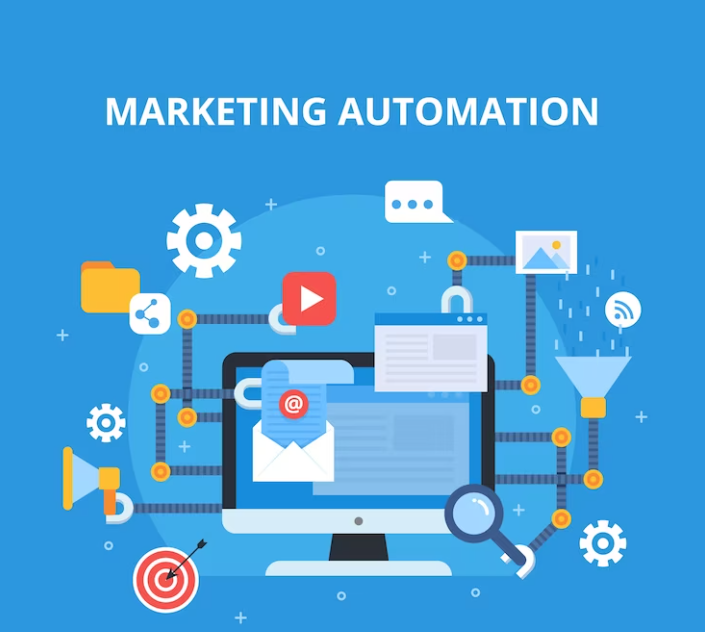
A marketing automation platform effectively centralizes and automates repetitive marketing tasks, allowing marketers to focus on strategy and creativity rather than mundane execution. From sending personalized emails at scale to managing complex customer journeys, these platforms empower businesses to deliver timely, relevant, and consistent messages across multiple channels. This not only enhances efficiency but also ensures a cohesive brand experience for every individual.
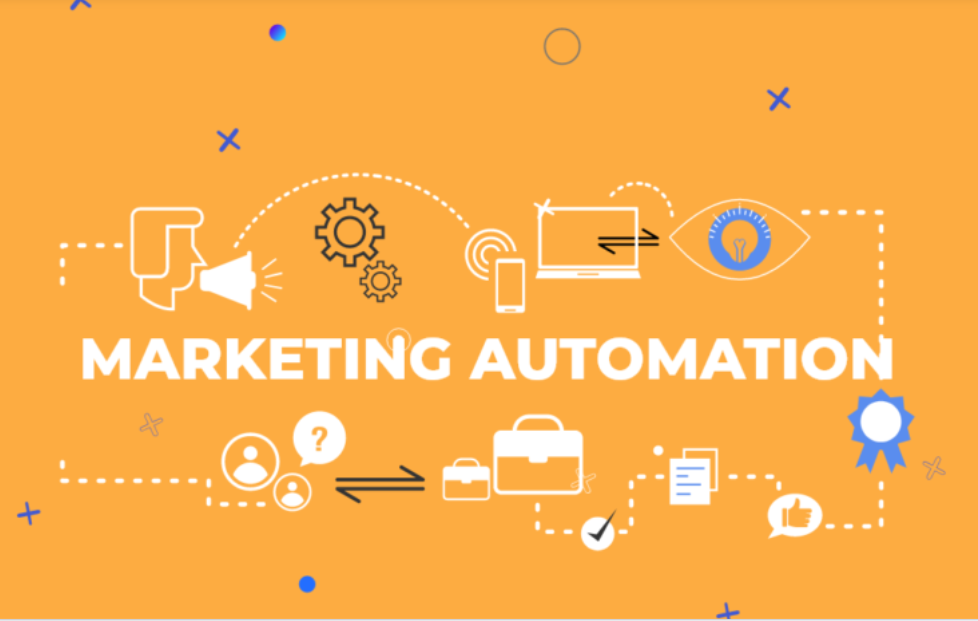
The ultimate goal of leveraging such a platform is to nurture leads more effectively, convert them into loyal customers, and ultimately maximize customer lifetime value. By automating segments of the sales funnel, businesses can ensure that no lead falls through the cracks and that every interaction contributes to moving a prospect closer to conversion. This precision and consistency are difficult, if not impossible, to achieve through manual processes alone.
Beyond efficiency, a sophisticated marketing automation platform provides invaluable insights into campaign performance and customer behavior. It allows businesses to track engagement metrics, identify patterns, and make data-driven decisions that continually refine their marketing strategies. This iterative process of analysis and optimization is crucial for staying ahead in a dynamic market and ensuring that marketing spend is always delivering the best possible results.

What is a Marketing Automation Platform?

A marketing automation platform is a software system designed to automate repetitive marketing tasks. These tasks can range from email marketing, social media posting, and ad campaigns to managing customer data and lead nurturing workflows. Its primary purpose is to help businesses streamline their marketing efforts, improve efficiency, and personalize customer interactions at scale, ultimately leading to increased sales and improved customer relationships. Think of it as the central nervous system for your marketing operations, integrating various tools and functions into one cohesive system.
Core Components and Functionality
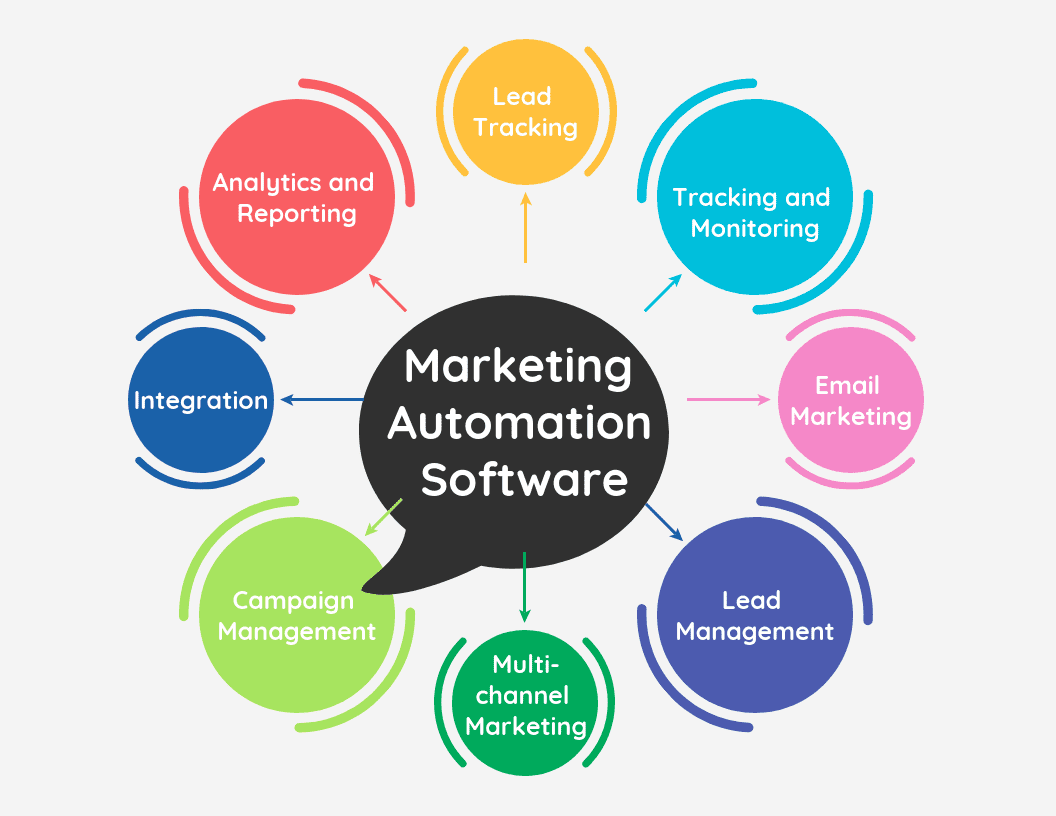
At its heart, a marketing automation platform typically comprises several key functionalities. These include email marketing capabilities with advanced segmentation, lead scoring to prioritize prospects, customer relationship management (CRM) integration for a unified view of customer data, and robust analytics to measure campaign performance. It also often includes tools for landing page creation, form building, and social media scheduling, all designed to work together seamlessly.

How a Marketing Automation Platform Works
The fundamental principle behind a marketing automation platform is workflow automation. Marketers design specific sequences of actions triggered by certain customer behaviors or conditions. For example, if a prospect downloads an e-book, the platform might automatically send a follow-up email, add them to a specific nurturing sequence, and update their lead score. This rule-based automation ensures that every lead receives the right message at the right time, without manual intervention, creating a personalized journey that guides them through the sales funnel.

Why Your Business Needs a Marketing Automation Platform
Implementing a marketing automation platform is no longer a luxury but a strategic imperative for businesses of all sizes looking to thrive in the digital age. The benefits extend far beyond simple task automation, impacting various aspects of a company's operations and bottom line.

Enhanced Efficiency and Productivity
One of the most immediate benefits is the significant increase in efficiency. Repetitive tasks like sending welcome emails, follow-up messages, or nurturing sequences consume valuable time. By automating these processes, your marketing team can redirect their efforts towards more strategic initiatives, such as content creation, campaign planning, and creative development. This frees up resources and allows for a greater focus on high-impact activities.
Deeper Personalization at Scale
Modern consumers expect personalized experiences. A marketing automation platform enables hyper-personalization by leveraging data points such as demographics, behavioral data, and past interactions to deliver tailored messages. This means sending specific content to individuals based on their interests, segmenting audiences for targeted campaigns, and ensuring that every communication resonates directly with the recipient, fostering stronger engagement and loyalty.
Improved Lead Nurturing and Qualification
Effective lead nurturing is crucial for converting prospects into customers. A marketing automation platform allows you to set up sophisticated nurturing campaigns that guide leads through the sales funnel based on their engagement levels and actions. Furthermore, lead scoring mechanisms automatically assign scores to prospects, helping your sales team prioritize hot leads and focus their efforts on those most likely to convert, significantly improving sales productivity.
Better Campaign Tracking and ROI Measurement
Understanding the effectiveness of your marketing efforts is paramount. These platforms provide comprehensive analytics and reporting tools that track key metrics like open rates, click-through rates, conversion rates, and even return on investment (ROI). This data-driven approach allows you to identify what's working and what's not, enabling continuous optimization of your campaigns for maximum impact and demonstrating clear value from your marketing spend.
Scalability for Growth
As your business grows, so does your marketing complexity. A marketing automation platform is designed to scale with your needs. It can handle increasing volumes of leads, more complex campaigns, and a larger customer base without requiring a proportional increase in manual effort. This scalability ensures that your marketing operations remain agile and effective, supporting continuous business expansion without hitting operational bottlenecks.
Key Features of an Effective Marketing Automation Platform
To truly act as a growth engine, a marketing automation platform must offer a robust set of features that cater to the diverse needs of modern marketing. These functionalities work in concert to deliver seamless, personalized, and data-driven campaigns.
Email Marketing Automation
At its core, robust email marketing automation is essential. This includes capabilities for designing professional email templates, segmenting contact lists based on various criteria (demographics, behavior, purchase history), scheduling sends, and automating sequences like welcome series, abandoned cart reminders, and re-engagement campaigns. Dynamic content capabilities allow for personalized elements within emails.
Lead Scoring and Management
An effective platform provides sophisticated lead scoring models that assign points to leads based on their interactions, demographic data, and firmographic information. This helps identify the most qualified leads, enabling sales teams to prioritize their outreach. Lead management features track the lead's journey, manage their status, and ensure a smooth handover from marketing to sales.
CRM Integration
Seamless integration with a Customer Relationship Management (CRM) system is vital. This allows for a unified view of customer data, ensuring that marketing and sales teams are always working with the most up-to-date information. It prevents data silos, improves communication between departments, and facilitates more personalized customer interactions throughout the entire lifecycle.
Analytics and Reporting
Data is the lifeblood of effective marketing. A top-tier marketing automation platform offers comprehensive analytics dashboards and customizable reports. These provide insights into campaign performance (email open rates, click-through rates, conversions), website activity, lead progression, and overall ROI. The ability to track key performance indicators (KPIs) and visualize data is crucial for continuous optimization.
Landing Page and Form Builders
The platform should include intuitive tools for creating professional, conversion-optimized landing pages and forms. These are critical for lead capture, event registrations, and content downloads. Customizable templates, drag-and-drop interfaces, and A/B testing capabilities for these assets are highly beneficial for maximizing conversion rates.
Workflow Automation and Journey Mapping
Advanced workflow automation allows marketers to visually map out customer journeys and create automated sequences triggered by specific actions or conditions. This can include sending follow-up emails, updating lead scores, assigning tasks to sales reps, or moving leads to different segments. The flexibility to design complex, multi-channel journeys is a hallmark of a powerful platform.
Social Media Management
Integration with social media platforms allows for scheduling posts, monitoring mentions, and tracking engagement directly from the marketing automation platform. Some advanced platforms even allow for social listening and the creation of social media advertising campaigns, providing a more holistic approach to digital presence management.
Implementing a Marketing Automation Platform: Best Practices
Adopting a marketing automation platform is a significant investment that requires careful planning and execution to maximize its potential. Simply acquiring the software isn't enough; strategic implementation is key to unlocking its full benefits.
Define Clear Goals and KPIs
Before diving in, clearly define what you want to achieve with marketing automation. Are you looking to increase lead generation, improve conversion rates, enhance customer retention, or reduce marketing costs? Establishing specific, measurable, achievable, relevant, and time-bound (SMART) goals and corresponding Key Performance Indicators (KPIs) will guide your strategy and allow you to measure success accurately.
Understand Your Audience and Map Customer Journeys
Effective automation hinges on understanding your target audience. Develop detailed buyer personas and map out their typical customer journeys. Identify key touchpoints, pain points, and decision-making triggers. This deep understanding will inform the content you create, the channels you use, and the automated workflows you design, ensuring your messages are always relevant and timely.
Start Simple, Then Scale
Don't try to automate everything at once. Begin with a few high-impact, straightforward workflows, such as a welcome series for new subscribers or a lead nurturing sequence for specific content downloads. As your team becomes more comfortable with the platform and you gather data, gradually expand your automation efforts to more complex scenarios. This iterative approach minimizes overwhelm and allows for continuous learning and refinement.
Ensure Data Cleanliness and Integration
The quality of your data directly impacts the effectiveness of your automation. Before migrating contacts or integrating with your CRM, ensure your existing data is clean, accurate, and de-duplicated. Poor data leads to inaccurate segmentation and ineffective personalization. Proper integration between your marketing automation platform and other systems (like CRM, sales, and analytics tools) is crucial for a unified view of your customers.
Train Your Team and Foster Adoption
A powerful platform is only as effective as the people using it. Provide comprehensive training for your marketing, sales, and even customer service teams. Ensure they understand the platform's capabilities, how to use its features, and the importance of consistent data entry. Foster a culture of collaboration between marketing and sales, emphasizing how automation supports both teams in achieving their goals.
Continuously Measure, Analyze, and Optimize
Marketing automation is not a set-it-and-forget-it solution. Regularly monitor the performance of your automated campaigns using the platform's analytics features. Analyze key metrics, identify areas for improvement, and conduct A/B tests on elements like subject lines, call-to-actions, and content. Use these insights to refine your workflows, improve personalization, and continually optimize your overall marketing strategy for better results.
Choosing the Right Marketing Automation Platform
Selecting the ideal marketing automation platform is a critical decision that can significantly impact your business's marketing effectiveness and growth trajectory. With numerous options available, ranging from all-in-one solutions to niche tools, a thorough evaluation process is essential.
Assess Your Business Needs and Budget
Start by clearly identifying your current marketing challenges, long-term goals, and the specific functionalities you absolutely need. Consider your team size, technical expertise, and growth projections. Equally important is establishing a realistic budget, factoring in not just the subscription cost but also potential implementation fees, training, and integration expenses. Some platforms are priced based on the number of contacts, features, or user seats, so understand the pricing model.
Evaluate Features and Scalability
Match your identified needs with the features offered by various platforms. Does it have robust email marketing, lead scoring, CRM integration, and analytics? How intuitive are its workflow builders? Look for a platform that not only meets your current requirements but also offers scalability to support your future growth. Will it be able to handle an increasing volume of contacts, more complex campaigns, and new integrations as your business evolves?
User Experience and Ease of Use
A powerful platform is useless if your team can't use it effectively. Prioritize user-friendly interfaces, intuitive navigation, and drag-and-drop functionalities. Request demos and consider free trials to get hands-on experience. Evaluate the learning curve for your team and whether the platform offers adequate resources like tutorials, knowledge bases, and community forums.
Integration Capabilities
Your marketing automation platform should not operate in a vacuum. Check its ability to seamlessly integrate with your existing technology stack, especially your CRM system, sales tools, customer service platforms, and analytics dashboards. Robust integrations prevent data silos, streamline workflows, and provide a holistic view of your customer interactions. Open APIs or a wide range of native integrations are strong indicators of flexibility.
Customer Support and Resources
Even the most intuitive platforms will require support at some point. Investigate the quality of customer support provided. Do they offer multiple channels (phone, email, chat)? What are their response times? Are there comprehensive documentation, training webinars, and a vibrant user community? Strong support and readily available resources can significantly impact your team's success with the platform.
Vendor Reputation and Reviews
Research the reputation of potential vendors. Read independent reviews from other users in your industry, check Gartner, Forrester, or G2 Crowd reports, and look for case studies that demonstrate success for businesses similar to yours. A reliable vendor with a proven track record is crucial for a long-term partnership.
Future Trends in Marketing Automation
The landscape of marketing automation is continuously evolving, driven by advancements in artificial intelligence (AI), machine learning (ML), and data analytics. Staying abreast of these trends is crucial for businesses looking to maintain a competitive edge and maximize the impact of their marketing automation platform.
One significant trend is the increasing integration of AI and machine learning. These technologies are moving beyond basic personalization to enable predictive analytics, allowing platforms to anticipate customer needs and behaviors with greater accuracy. This means more intelligent lead scoring, predictive content recommendations, and optimized send times for emails, all aimed at enhancing relevance and conversion rates. AI-powered chatbots are also becoming more sophisticated, handling a broader range of customer inquiries and integrating seamlessly with automation workflows to provide instant support and lead qualification.
Hyper-personalization will continue to deepen, moving beyond segmenting by basic demographics to individual-level personalization. This will be fueled by richer data sets, including real-time behavioral data, purchase history, and even sentiment analysis. Marketing automation platforms will leverage this data to create truly unique customer journeys, adapting messages and offers dynamically based on individual interactions across multiple touchpoints, including web, email, social, and even offline channels.
The rise of conversational marketing is another key trend. Integrating live chat, messaging apps, and voice assistants directly into automation workflows allows for more immediate and interactive customer engagement. Businesses will use these channels to qualify leads, answer questions, and even facilitate transactions, all while maintaining a personalized and automated flow.
Finally, there will be a greater emphasis on attribution modeling and ROI transparency. As marketing automation becomes more sophisticated, so too will the demand for clear, demonstrable ROI. Platforms will offer more advanced attribution models that track the entire customer journey across all touchpoints, providing a comprehensive view of which marketing efforts are truly driving revenue. This focus on measurable outcomes will solidify the marketing automation platform's position as a core growth engine for businesses.
Conclusion
In an era defined by digital transformation and customer-centricity, a marketing automation platform stands as an undeniable powerhouse for businesses aiming to thrive. It transcends the basic concept of mere task automation, evolving into a sophisticated growth engine that empowers marketing teams to achieve unparalleled levels of efficiency, personalization, and measurable results. From streamlining repetitive workflows and nurturing leads with precision to providing deep insights into customer behavior and campaign performance, its capabilities are central to modern marketing success.
By enabling businesses to deliver the right message to the right person at the right time, a marketing automation platform fosters deeper customer relationships, accelerates the sales cycle, and significantly improves return on investment. The future promises even more advanced capabilities, driven by AI and hyper-personalization, further solidifying its role as an indispensable tool for competitive advantage. Embracing and strategically leveraging a marketing automation platform is no longer optional; it is a fundamental pillar for scalable growth and sustained success in today's dynamic marketplace.