Financial Forecasting Unlock Your Business Future

Every successful business, regardless of its size or industry, operates with a clear vision of its future. This foresight isn't based on guesswork or intuition alone; it's meticulously crafted through the powerful discipline of financial forecasting. By projecting future financial performance, businesses gain invaluable insights into potential opportunities, identify impending challenges, and make proactive decisions that shape their trajectory. It's the bedrock upon which sound strategic planning is built, allowing companies to allocate resources effectively, manage cash flow, and ultimately, achieve sustainable growth.
In today's dynamic economic landscape, where market conditions can shift rapidly, the ability to anticipate and adapt is paramount. Financial forecasting provides this essential capability, transforming uncertainty into calculated risk. It’s not about predicting the future with absolute certainty, but rather about understanding potential scenarios and preparing for them. This proactive approach minimizes surprises and maximizes the likelihood of achieving financial objectives.
Beyond mere prediction, effective financial forecasting serves as a critical communication tool. It enables stakeholders – from investors and lenders to internal management teams – to understand the company's financial health and its future potential. This transparency fosters trust and facilitates informed decision-making across all levels of an organization.
This article will delve into the intricacies of financial forecasting, exploring its fundamental principles, the various methodologies employed, its profound benefits, and the common pitfalls to avoid. By mastering the art and science of financial forecasting, businesses can truly unlock their future, ensuring resilience and prosperity in an ever-evolving market.
Understanding Financial Forecasting
Financial forecasting is the process of estimating or predicting the future financial outcomes of a business over a specified period. This estimation is based on historical data, current market conditions, and various assumptions about future events. Its primary purpose is to provide a reliable basis for business planning and decision-making, helping organizations set realistic goals and allocate resources efficiently.

What Does Financial Forecasting Encompass?
At its core, financial forecasting involves projecting key financial statements, including the income statement, balance sheet, and cash flow statement. These projections are not standalone exercises but are interconnected, with changes in one area impacting others. For instance, a sales forecast directly influences projected revenue on the income statement, which in turn affects accounts receivable on the balance sheet and cash inflows on the cash flow statement.

The Role of Assumptions
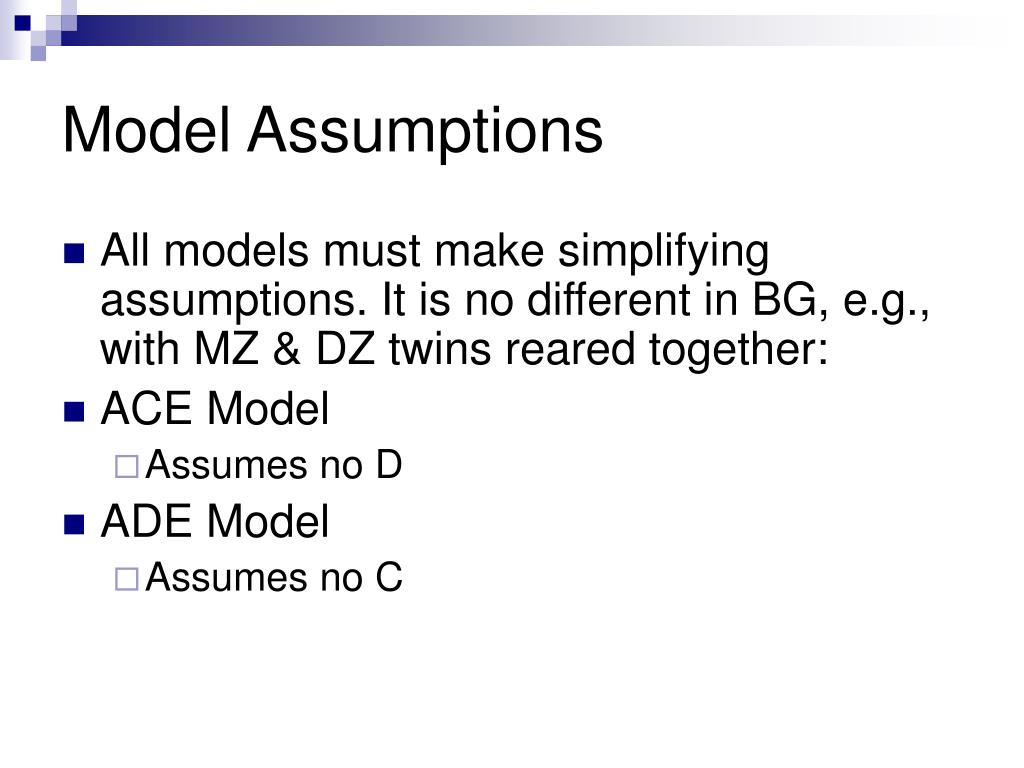
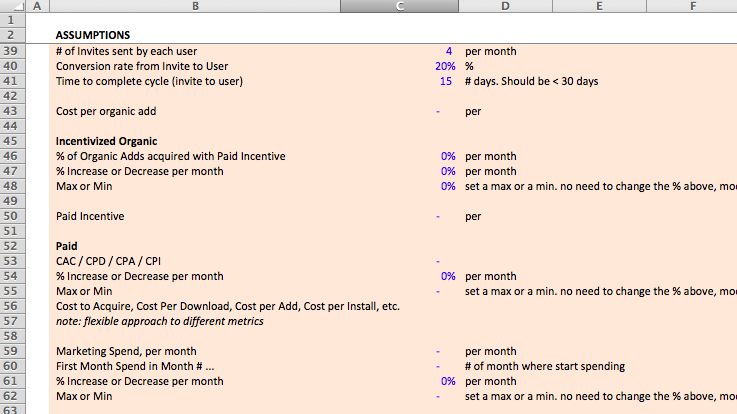
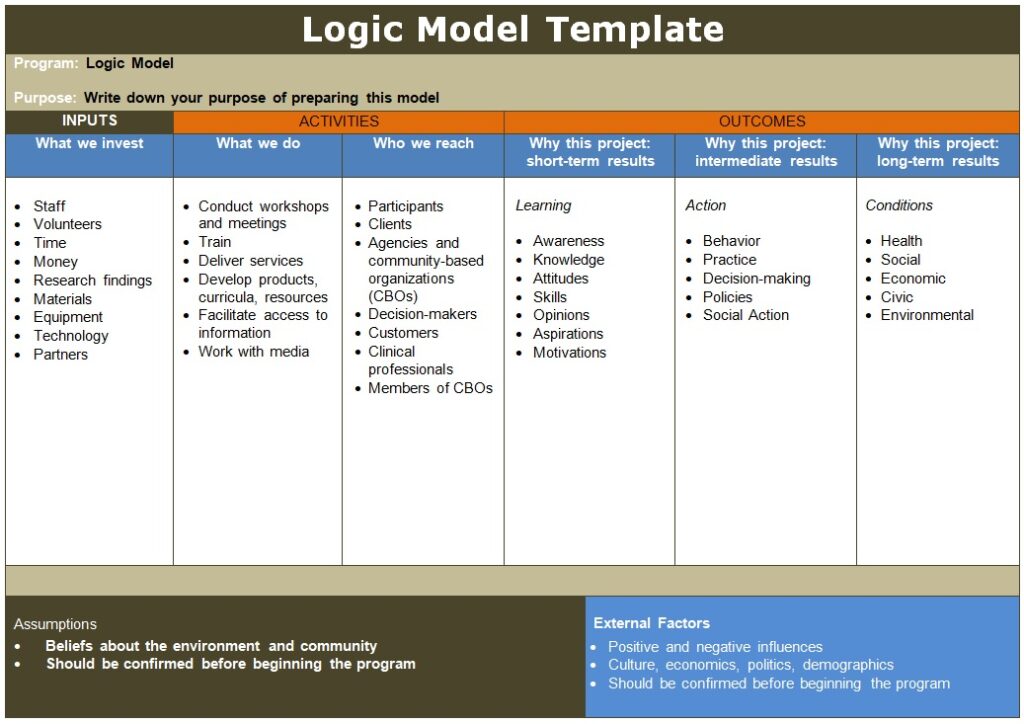
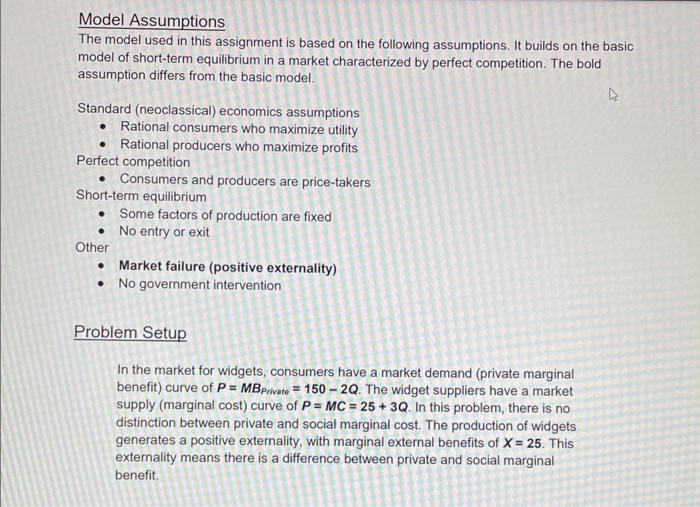
Every financial forecast is built upon a set of assumptions. These assumptions relate to various internal and external factors such as sales growth rates, cost of goods sold percentages, operating expenses, interest rates, economic growth, industry trends, and competitive landscape. The accuracy of a forecast heavily depends on the validity and realism of these underlying assumptions. Regularly reviewing and updating these assumptions is crucial for maintaining the relevance and reliability of the forecasts.

Why Financial Forecasting Matters for Your Business
The strategic importance of robust financial forecasting cannot be overstated. It provides a framework for understanding potential future outcomes, enabling businesses to navigate complex environments with greater confidence and control.

Enhancing Strategic Planning
Financial forecasts are the backbone of effective strategic planning. They allow businesses to evaluate the financial implications of different strategies, such as market expansion, product development, or capital investments. By modeling various scenarios, management can assess risks and rewards, making choices that align with long-term objectives and optimize resource allocation.
Improving Budgeting and Resource Allocation
A well-executed financial forecast directly feeds into the budgeting process. It helps establish realistic revenue targets and expense limits, guiding departments in their spending. This, in turn, facilitates optimal resource allocation, ensuring that capital, labor, and other resources are deployed where they can generate the most value. It prevents overspending in some areas and under-resourcing in others.
Facilitating Cash Flow Management
One of the most critical aspects of business health is managing cash flow. Financial forecasting provides a clear picture of anticipated cash inflows and outflows, allowing businesses to identify potential cash shortages or surpluses well in advance. This foresight enables proactive measures such as arranging for lines of credit, adjusting payment terms, or investing surplus cash, thereby preventing liquidity crises and optimizing working capital.
Supporting Investment and Financing Decisions
Investors and lenders rely heavily on financial forecasts to assess a company's financial viability and future potential. A compelling forecast can be instrumental in securing funding, whether through equity investments, bank loans, or credit facilities. Internally, forecasts help in evaluating capital expenditure projects, assessing the return on investment (ROI), and making informed decisions about expanding operations or acquiring assets.
Key Types of Financial Forecasting Methods
Various methodologies can be employed for financial forecasting, each suited to different circumstances and data availability. Choosing the right method depends on the specific forecasting objective, the time horizon, and the nature of the available data.
Qualitative Forecasting Methods
These methods rely on expert judgment, intuition, and subjective assessments, particularly when historical data is scarce or unreliable, or when dealing with new products or markets.
- Delphi Method: Involves soliciting opinions from a panel of experts anonymously through questionnaires. Responses are compiled, and the process is repeated until a consensus or convergence of opinions is reached.
- Market Research: Gathering information directly from potential customers about their purchasing intentions and preferences. This can involve surveys, interviews, and focus groups.
- Sales Force Opinion: Leveraging the insights of sales personnel who have direct contact with customers and market conditions.
Quantitative Forecasting Methods
These methods rely on historical data and mathematical models to predict future outcomes. They are most effective when a significant amount of reliable past data is available and trends are expected to continue.
- Time Series Analysis: This involves analyzing past data points collected over time to identify patterns, trends, and seasonal variations.
- Moving Averages: Calculates the average of a specific number of past data points to smooth out short-term fluctuations and identify trends.
- Exponential Smoothing: Similar to moving averages but assigns greater weight to more recent data points, making it more responsive to recent changes.
- ARIMA (AutoRegressive Integrated Moving Average): A sophisticated statistical model used for forecasting future values in a time series by analyzing dependencies between observations.
- Causal Models: These models assume that the forecasted variable is influenced by one or more other variables (independent variables).
- Regression Analysis: Statistical technique used to model the relationship between a dependent variable (e.g., sales) and one or more independent variables (e.g., advertising spend, GDP).
- Econometric Models: More complex causal models that use economic theory to build statistical relationships between various economic indicators and the forecasted variable.
Key Components of Effective Financial Forecasting
Building a robust financial forecast requires more than just picking a method; it involves a systematic approach to data collection, analysis, and presentation.
Data Accuracy and Integrity
The foundation of any reliable forecast is accurate and clean historical data. Inaccurate data will inevitably lead to flawed predictions. Businesses must ensure that their financial records are meticulously maintained, reconciled, and free from errors. This includes sales data, expense records, balance sheet accounts, and cash flow statements.
Realistic Assumptions
As mentioned earlier, assumptions drive the forecast. They must be grounded in reality, reflecting both internal capabilities and external market conditions. It's crucial to document all assumptions clearly and understand their potential impact on the forecast. Regularly testing the sensitivity of the forecast to changes in key assumptions is also vital.
Scenario Planning and Sensitivity Analysis
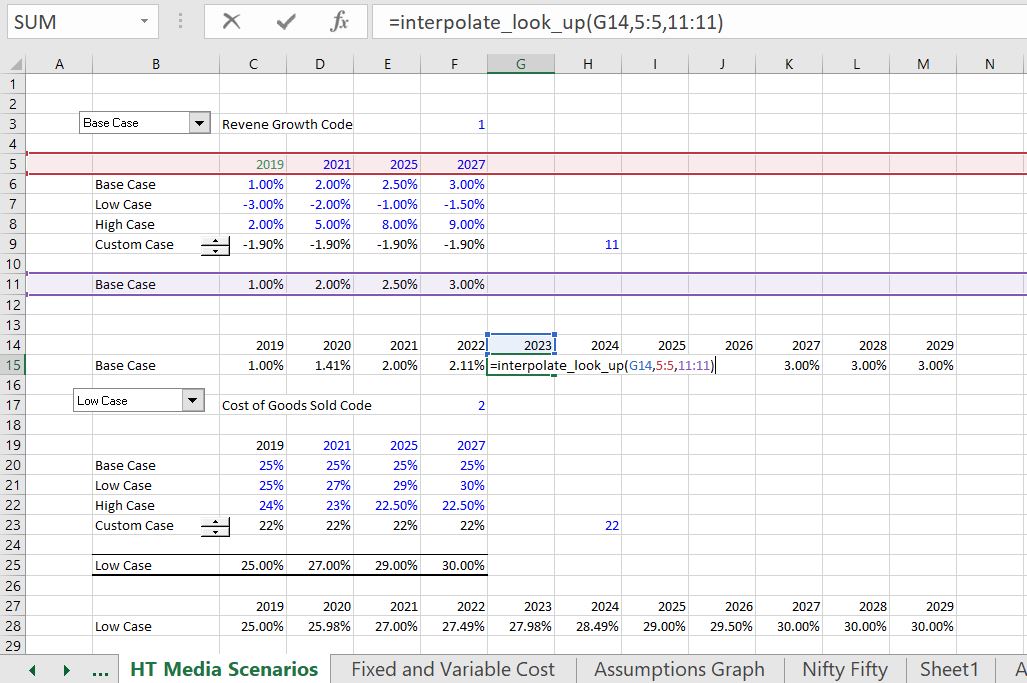
Effective financial forecasting isn't about predicting a single future; it's about preparing for multiple possibilities. Scenario planning involves creating different forecasts based on varying sets of assumptions (e.g., best-case, worst-case, and most likely scenarios). Sensitivity analysis, on the other hand, examines how changes in one specific variable impact the overall forecast, helping to identify key drivers and risks.
Regular Review and Adjustment
Financial forecasts are not static documents. They should be reviewed and updated regularly – typically monthly or quarterly – to incorporate new information, reflect changes in market conditions, and correct for past deviations. This iterative process of forecast-vs-actual analysis helps refine the forecasting models and improve accuracy over time.
Challenges in Financial Forecasting and How to Overcome Them
Despite its benefits, financial forecasting comes with its own set of challenges that businesses must address to maximize its effectiveness.
Data Quality and Availability
One of the most common hurdles is the lack of comprehensive, consistent, or accurate historical data. Incomplete records or disparate data sources can severely hamper the forecasting process.
* Overcoming: Implement robust data management systems, ensure consistent data entry, and invest in data cleansing processes. Automate data collection where possible.
Volatility and Uncertainty
External factors like economic downturns, technological disruptions, geopolitical events, or sudden market shifts can make forecasting incredibly difficult. High volatility can render past trends unreliable.
* Overcoming: Emphasize scenario planning and sensitivity analysis. Use a shorter forecasting horizon for highly volatile components. Incorporate expert judgment (qualitative methods) alongside quantitative models.
Over-Reliance on Single Methods or Assumptions
Relying solely on one forecasting method or a rigid set of assumptions can lead to tunnel vision and significant forecast errors if those assumptions prove incorrect.
* Overcoming: Employ a mix of qualitative and quantitative methods. Challenge assumptions rigorously. Conduct regular "what-if" analyses to understand the impact of various changes.
Lack of Cross-Functional Collaboration
Forecasting is not just a finance department's responsibility. Sales, marketing, operations, and even HR departments hold critical insights that can significantly influence the accuracy of a forecast.
* Overcoming: Foster a culture of collaboration. Establish cross-functional forecasting teams. Ensure clear communication channels and regular meetings where different departments can share their insights and validate assumptions.
Leveraging Technology for Advanced Financial Forecasting
Modern technology has revolutionized the field of financial forecasting, offering tools that enhance accuracy, efficiency, and depth of analysis.
Spreadsheets and Specialized Software
While basic spreadsheets remain common, specialized financial forecasting software offers more robust features. These tools can handle larger datasets, provide advanced analytical capabilities (e.g., Monte Carlo simulations), integrate with accounting systems, and automate report generation.
* Examples: Tools range from sophisticated ERP systems with built-in forecasting modules to dedicated financial planning and analysis (FP&A) software.
Business Intelligence (BI) and Data Analytics
BI platforms aggregate and visualize data from various sources, providing real-time insights into performance trends. Data analytics, including predictive analytics and machine learning, can identify complex patterns and relationships in data that might be missed by traditional methods, leading to more accurate predictions.
* Benefits: Enhanced data visualization, automated trend identification, and the ability to process vast amounts of structured and unstructured data for improved forecasting models.
Artificial Intelligence (AI) and Machine Learning (ML)
AI and ML algorithms are increasingly being used to develop highly sophisticated forecasting models. These technologies can learn from historical data, adapt to new information, and identify subtle correlations to make more precise predictions, especially in complex and dynamic environments.
* Applications: Demand forecasting, sales prediction, risk assessment, and optimizing inventory levels. AI can also automate the iterative process of model refinement.
Conclusion
Financial forecasting is far more than a mere projection of numbers; it is a critical strategic imperative that empowers businesses to anticipate, adapt, and thrive. By systematically estimating future financial performance, organizations gain the foresight needed to make informed decisions, optimize resource allocation, manage cash flow effectively, and secure future growth.
From understanding the core principles and selecting appropriate methodologies to embracing technological advancements and overcoming inherent challenges, mastering financial forecasting is an ongoing journey. It demands accurate data, realistic assumptions, continuous review, and, crucially, cross-functional collaboration. For businesses aiming to navigate an increasingly complex world with confidence and unlock their true potential, robust financial forecasting is not just an advantage—it is an absolute necessity.