Boost Your Future with Financial Forecasting

Navigating the complexities of the economic landscape, whether as an individual managing personal finances or a business steering its operations, requires more than just hope. It demands foresight, strategic planning, and a deep understanding of potential future financial states. This is precisely where financial forecasting comes into play – a critical process that involves estimating future financial outcomes based on historical data, current market conditions, and anticipated trends. By looking ahead, individuals and organizations can make informed decisions today that will shape their financial well-being tomorrow, transforming uncertainty into a roadmap for success. It’s about being proactive rather than reactive, enabling you to anticipate challenges and seize opportunities before they fully materialize.
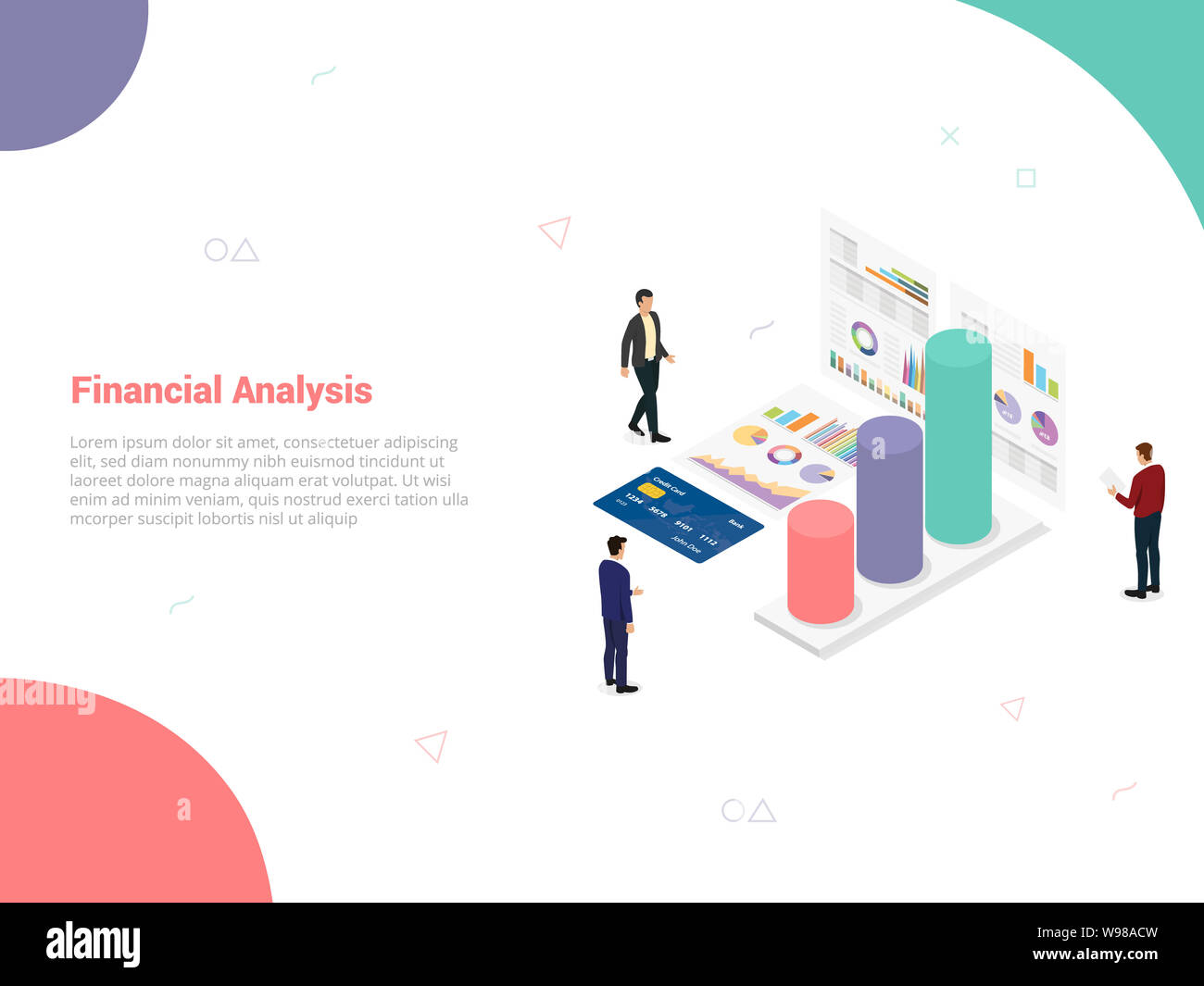
Effective financial forecasting is not merely an academic exercise; it's a practical tool that empowers stakeholders to set realistic goals, allocate resources efficiently, and mitigate potential risks. Without a clear financial outlook, planning becomes guesswork, leading to missed opportunities, inefficient spending, and potential crises. It provides the clarity needed to identify potential shortfalls or surpluses, allowing for timely adjustments to budgets, investment strategies, and operational plans.
The true power of financial forecasting lies in its ability to paint a predictive picture, offering insights into revenue, expenses, cash flow, and profitability. This forward-looking perspective is indispensable for growth, stability, and achieving long-term objectives. From deciding whether to invest in a new project to planning for retirement, the principles of forecasting remain consistent: using available data to make educated guesses about the future. It instills confidence by replacing speculation with data-driven projections, fostering a more secure and predictable financial journey.
What is Financial Forecasting?
Financial forecasting is the process of using historical data and various analytical techniques to predict future financial performance. It's a proactive approach to financial management, distinguishing itself from simple budgeting by focusing on future expectations rather than current or past allocations. While a budget outlines how money will be spent over a defined period, a forecast attempts to predict the actual financial outcomes. For instance, a budget might allocate a certain amount for marketing, but a financial forecasting model would predict the actual revenue generated from that marketing spend, taking into account market conditions and competitor activities.
The core purpose of financial forecasting is to provide management, investors, and other stakeholders with a clear financial roadmap. This roadmap helps in strategic planning, resource allocation, and risk management. It involves making informed assumptions about future events that could impact finances, such as sales growth, inflation rates, interest rate changes, and economic trends. These assumptions are then fed into models to generate projections for key financial metrics like revenue, costs, profits, cash flow, and balance sheet items.

Key Benefits of Financial Forecasting
The advantages of engaging in robust financial forecasting are numerous and impactful for both individuals and businesses.

Enhanced Decision-Making
At its heart, forecasting provides the data necessary for smarter choices. For businesses, this means deciding on investments, pricing strategies, product launches, or expansion plans with a clearer understanding of their financial implications. For individuals, it aids in decisions like buying a home, saving for college, or planning retirement. By quantifying potential outcomes, forecasting removes much of the guesswork.
Improved Resource Allocation
With a forecast, you can anticipate periods of high demand or potential cash flow shortages. This allows for optimal allocation of resources – whether it's capital, personnel, or inventory. Businesses can ensure they have enough working capital, while individuals can manage their savings and investments more effectively to meet future needs.

Risk Mitigation
Forecasting helps identify potential financial challenges or downturns before they occur. By projecting different scenarios (e.g., best-case, worst-case, most likely), organizations and individuals can develop contingency plans, build reserves, or adjust strategies to minimize negative impacts. This proactive risk management is invaluable in volatile economic climates.
Goal Achievement and Performance Monitoring
Clear financial forecasts enable the setting of realistic and measurable goals. They provide benchmarks against which actual performance can be measured. Regular comparison of forecasts to actual results helps in identifying deviations, understanding their causes, and making timely corrective actions to stay on track towards objectives.
Increased Investor Confidence and Access to Capital
For businesses, a well-prepared financial forecasting report demonstrates strong financial planning and a clear vision, which is highly attractive to potential investors, lenders, and stakeholders. It shows that the management team understands its market and has a viable strategy for growth and profitability, thereby easing access to necessary capital.
Common Methods and Techniques in Financial Forecasting
Various methods and techniques are employed in financial forecasting, broadly categorized into quantitative and qualitative approaches. The choice often depends on the available data, the stability of the environment, and the specific forecasting objective.
Quantitative Methods
These methods rely on historical data and mathematical models to predict future outcomes. They are most effective when a significant amount of reliable past data is available and when the underlying relationships are expected to remain stable.
- Time Series Analysis: This involves analyzing historical data points collected over a period of time to identify patterns, trends, and seasonal variations.
- Moving Averages: Calculates the average of a specific number of past data points to smooth out short-term fluctuations and identify trends. Simple Moving Average (SMA) and Exponential Moving Average (EMA) are common types.
- Exponential Smoothing: Gives more weight to recent data points, making it more responsive to recent changes.
- ARIMA (AutoRegressive Integrated Moving Average): A sophisticated statistical model used for time series data that captures autoregressive, differencing, and moving average components.
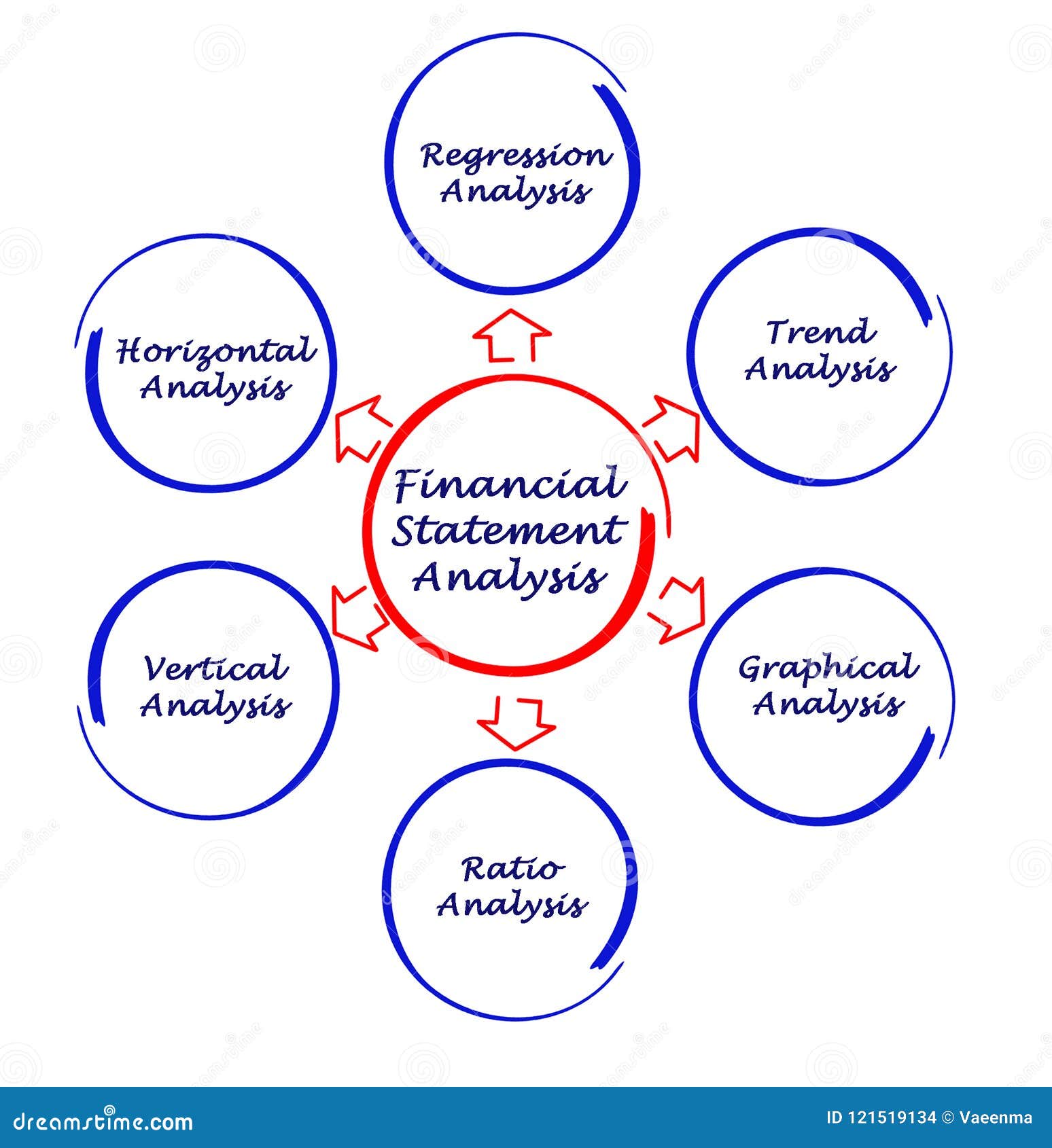
- Regression Analysis: This statistical technique examines the relationship between a dependent variable (what you want to forecast, e.g., sales) and one or more independent variables (factors that influence the dependent variable, e.g., marketing spend, economic growth). Simple linear regression involves one independent variable, while multiple regression involves several.
- Econometric Models: These are more complex models that incorporate economic theories and relationships between various economic indicators to make predictions. They can forecast macroeconomic variables like GDP, inflation, or industry-specific trends that impact a business's financial health.
Qualitative Methods
These methods are used when historical data is scarce, unreliable, or when significant changes are anticipated that might invalidate past trends (e.g., new product launch, disruptive technology, economic paradigm shift). They rely on expert judgment, intuition, and non-numerical data.
- Delphi Method: Involves soliciting forecasts from a group of experts anonymously through a series of questionnaires. The process is iterative, with feedback from each round provided to the experts until a consensus is reached, or opinions converge.
- Market Research: Gathering information directly from consumers or industry experts through surveys, interviews, and focus groups to gauge future demand, product acceptance, or market trends.
- Sales Force Composite: Collecting sales forecasts from individual salespersons and aggregating them. Salespeople are often close to customers and market conditions, providing valuable insights.
- Jury of Executive Opinion: Involves senior management or experts making collective forecasts based on their experience and intuition. While quick, it can be prone to bias.
The Role of Data and Technology in Modern Financial Forecasting
In today's data-driven world, the efficacy of financial forecasting is intrinsically linked to the quality of data and the sophistication of the technology used. Big data, artificial intelligence (AI), and machine learning (ML) are revolutionizing how forecasts are generated, making them more accurate, dynamic, and comprehensive.
Vast amounts of internal data (sales records, transaction history, customer behavior) and external data (economic indicators, social media trends, competitor data) can now be collected, processed, and analyzed. Advanced analytics tools can identify intricate patterns, correlations, and anomalies that human analysts might miss.
AI and ML algorithms can learn from historical data, identify complex non-linear relationships, and adapt to changing conditions. This enables them to generate highly accurate predictions for various financial metrics, even in volatile environments. Predictive analytics platforms leverage these technologies to create sophisticated forecasting models that go beyond traditional statistical methods, offering scenario planning capabilities and real-time adjustments.
Specialized financial software and enterprise resource planning (ERP) systems integrate forecasting modules, automating data collection and report generation. This not only saves time but also reduces human error, ensuring consistency and reliability in the forecasting process. These tools allow for instant recalculations based on new data or changed assumptions, making the forecasting process continuous and highly responsive.
Steps to Implement Effective Financial Forecasting
Implementing effective financial forecasting involves a structured approach that ensures accuracy and usability.
- Define the Objective and Time Horizon: Clearly articulate what needs to be forecasted (e.g., revenue, cash flow, profit) and over what period (e.g., next quarter, next year, next five years). The time horizon dictates the level of detail and the methods to be employed.
- Gather Relevant Data: Collect comprehensive historical financial data (income statements, balance sheets, cash flow statements), operational data (sales volumes, customer numbers), and external market data (economic forecasts, industry trends, competitor performance). Ensure data accuracy and consistency.
- Choose Appropriate Methods: Based on the objective, available data, and the stability of the environment, select the most suitable quantitative and/or qualitative forecasting methods.
- Make Assumptions: This is a crucial step where educated guesses about future conditions are made. These assumptions should be clearly documented and justified. Examples include assumptions about sales growth rates, cost of goods sold percentages, inflation, interest rates, and changes in regulatory environments.
- Develop the Forecast Model: Build the financial model (often in spreadsheets or specialized software) that integrates the historical data, chosen methods, and assumptions to generate projections for the desired financial metrics.
- Analyze and Interpret Results: Review the generated forecasts. Do they seem reasonable? Are there any unexpected outcomes? Understand the implications of the projections on various aspects of the business or personal finances.
- Conduct Sensitivity and Scenario Analysis: Test the robustness of the forecast by changing key assumptions (e.g., what if sales grow by only 5% instead of 10%? What if interest rates rise by 1%?). This provides a range of possible outcomes and helps in preparing for different scenarios.
- Regularly Review and Update: Financial forecasts are not static. They must be continuously monitored against actual results and updated as new information becomes available or as conditions change. This iterative process ensures the forecast remains relevant and accurate.
Challenges and Best Practices in Financial Forecasting
While highly beneficial, financial forecasting comes with its share of challenges. Overcoming them requires adherence to best practices.
Challenges:
* Data Accuracy and Availability: Inaccurate, incomplete, or inconsistent historical data can lead to flawed forecasts.
* Unpredictability and Volatility: Economic downturns, technological disruptions, and unforeseen global events can render even the most robust forecasts obsolete.
* Human Bias: Forecasters might inadvertently inject optimism or pessimism into their assumptions, skewing results.
* Complexity of Models: Overly complex models can be difficult to build, understand, and maintain, potentially leading to errors.
* Lack of Integration: Siloed data and disconnected processes can hinder comprehensive and accurate forecasting.
Best Practices:
* Combine Quantitative and Qualitative Methods: Use both data-driven models and expert judgment for a more balanced and robust forecast.
* Document Assumptions Thoroughly: Clearly state all assumptions made, along with their justifications, to ensure transparency and allow for easy review and adjustment.
* Embrace Scenario Planning: Develop best-case, worst-case, and most-likely scenarios to understand the range of potential outcomes and build resilience.
* Regularly Re-evaluate and Adjust: Treat forecasting as a continuous process. Compare actual results to forecasts frequently and update models and assumptions as conditions evolve.
* Foster Cross-Functional Collaboration: Involve different departments (sales, marketing, operations, finance) in the forecasting process to gain diverse perspectives and ensure buy-in.
* Invest in Technology: Leverage modern forecasting software, AI, and ML tools to enhance accuracy, efficiency, and real-time capabilities.
* Focus on Key Drivers: Identify and prioritize the most impactful variables that drive financial performance, rather than getting bogged down in too much detail.
* Transparency and Communication: Ensure that forecasts and the underlying assumptions are clearly communicated to all relevant stakeholders.
Financial Forecasting for Individuals vs. Businesses
While the fundamental principles of financial forecasting remain consistent, its application varies significantly between individuals and businesses, reflecting their distinct objectives and complexities.
For Individuals
Individual financial forecasting focuses on personal wealth management, retirement planning, debt management, and achieving personal financial goals.
* Goals: Saving for a down payment, funding education, retirement planning, vacation planning, or managing large purchases.
* Data Inputs: Personal income, expenses, existing savings, investments, debt obligations, future income projections (e.g., salary raises), and anticipated major expenditures.
* Methods: Simpler models, often using spreadsheets or personal finance software. Emphasis on budgeting, cash flow analysis, and long-term investment growth projections. Scenario analysis might involve evaluating different retirement ages or investment returns.
* Benefits: Provides clarity on when financial goals can be achieved, helps manage debt effectively, ensures sufficient funds for emergencies, and promotes disciplined saving and spending habits.
For Businesses
Business financial forecasting is far more intricate, encompassing multiple departments, complex revenue streams, and varying cost structures.
* Goals: Strategic planning, capital expenditure decisions, operational efficiency improvements, fundraising, investor relations, and guiding overall business growth.
* Data Inputs: Historical sales data, production costs, marketing spend, operational expenses, market research, economic indicators, competitor analysis, and regulatory changes.
* Methods: Often utilizes advanced quantitative techniques (time series, regression) and sophisticated software. Involves forecasting income statements, balance sheets, and cash flow statements. Extensive scenario planning is crucial for risk management and strategic agility.
* Benefits: Facilitates informed strategic decisions, optimizes resource allocation, enhances cash flow management, attracts investors, aids in setting realistic performance targets, and ensures compliance with financial covenants.
Conclusion
Financial forecasting is not merely an exercise in predicting the future; it is an indispensable tool for shaping it. By systematically analyzing past data, understanding current conditions, and making informed assumptions about future trends, individuals and organizations can gain invaluable insights into their potential financial trajectories. This foresight empowers them to make proactive, data-driven decisions that enhance resource allocation, mitigate risks, and propel them towards their financial objectives. Whether you are planning for personal retirement or steering a multinational corporation, the discipline of financial forecasting provides the clarity and confidence needed to navigate an uncertain world, turning aspirations into achievable realities. Embracing this powerful practice is a fundamental step towards securing a prosperous and predictable future.