Litecoin The Digital Silver Advantage

In the dynamic landscape of cryptocurrencies, where innovation constantly reshapes financial paradigms, one digital asset has consistently carved out a significant niche since its inception. That asset is Litecoin, often heralded as the "digital silver" to Bitcoin's "digital gold." Launched in 2011, just two years after Bitcoin, it emerged with a clear vision: to offer a lighter, faster, and more accessible alternative for everyday transactions. While sharing fundamental blockchain principles with its predecessor, Litecoin introduced key modifications designed to improve transaction speed and reduce costs, aiming for broader utility as a medium of exchange rather than solely a store of value.
Its creation marked a pivotal moment in the nascent crypto industry, demonstrating that the underlying technology of Bitcoin could be adapted and improved upon to serve different purposes. From the outset, Litecoin aimed to address perceived limitations of Bitcoin, such as its longer block confirmation times and higher transaction fees, which could hinder its adoption for smaller, more frequent payments. By optimizing these parameters, Litecoin sought to become the go-to cryptocurrency for practical, real-world applications, fostering rapid and affordable transfers across the globe.
This focus on efficiency and accessibility has allowed Litecoin to maintain a strong presence amidst the proliferation of thousands of altcoins. Its longevity and consistent development underscore its foundational strength and the dedication of its community. For many, Litecoin represents a reliable and established asset within the volatile crypto market, embodying the principles of decentralization and peer-to-peer exchange that define the blockchain revolution.
The Genesis of Litecoin: A Brief History
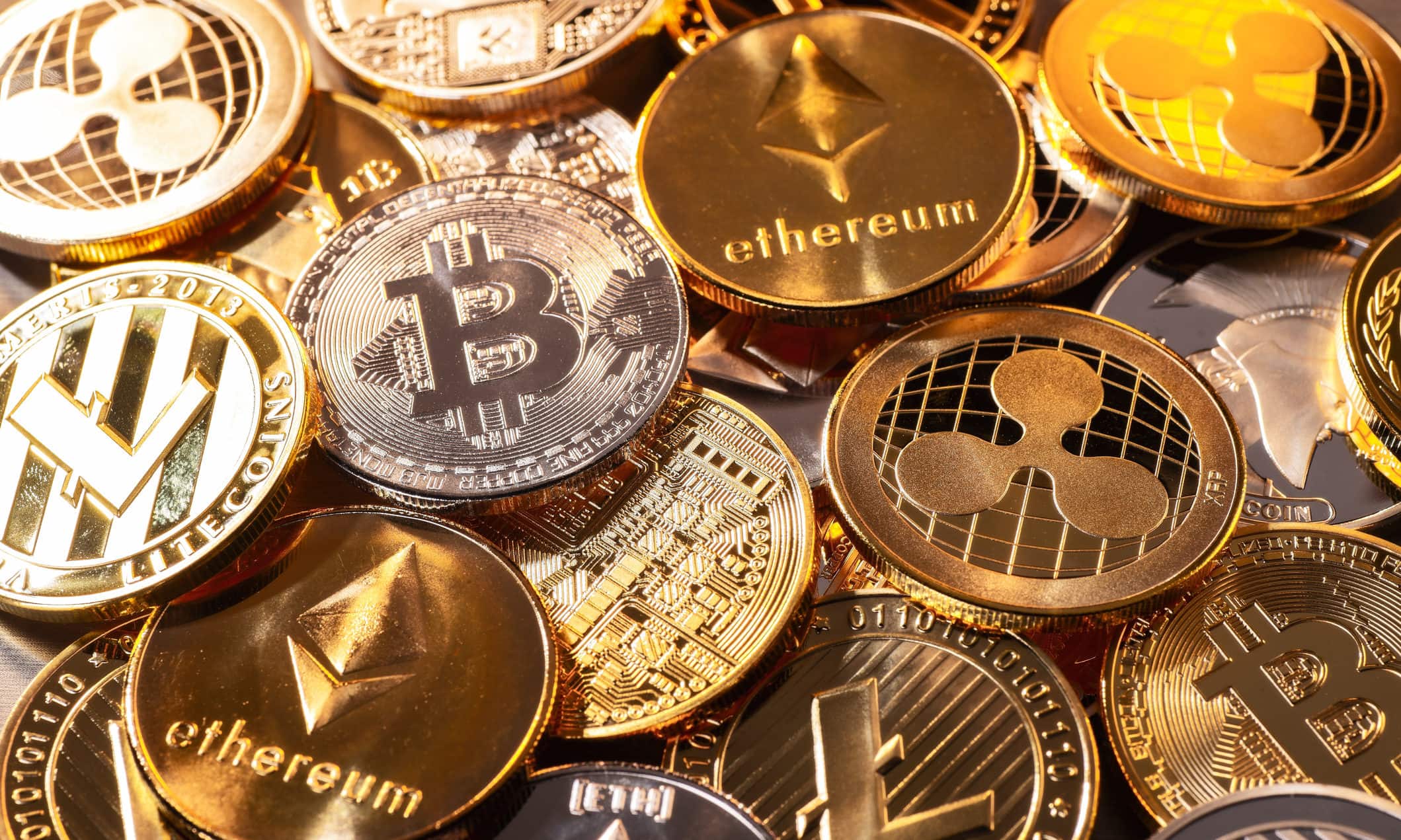
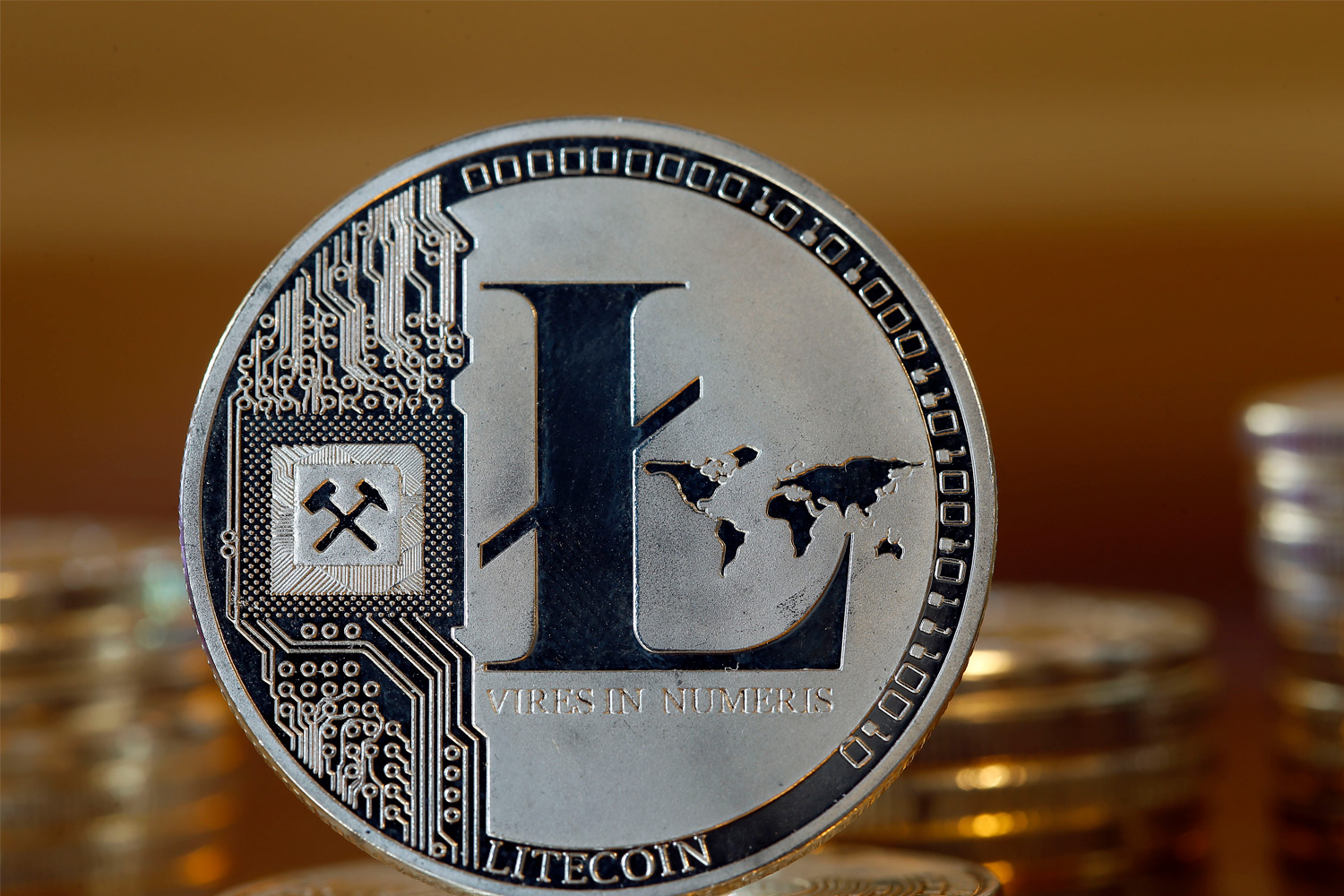
Litecoin's journey began on October 7, 2011, when it was released via an open-source client on GitHub by Charles Lee, a former Google engineer. Lee's intention was not to replace Bitcoin but to complement it by addressing specific areas where he believed improvements could be made for everyday use. He envisioned a version of Bitcoin that was "lite"—lighter in terms of resource requirements for mining and faster for transaction confirmations.
Lee famously referred to Litecoin as the "silver to Bitcoin's gold," encapsulating its role as a more abundant, more liquid, and perhaps less valuable per unit asset compared to Bitcoin, yet still possessing significant utility and intrinsic value. This analogy has stuck, defining much of Litecoin's perception and positioning within the cryptocurrency ecosystem. Unlike many altcoins that have emerged with entirely new protocols or ambitious smart contract platforms, Litecoin was built on Bitcoin's core code, making it a "fork" but with distinct modifications designed for a different purpose.
Key Technical Differences and Advantages over Bitcoin

While often compared to Bitcoin due to their shared foundational code, Litecoin incorporates several crucial technical divergences that provide it with distinct advantages, particularly in the realm of transactional efficiency. These differences were deliberately engineered by Charles Lee to make Litecoin more suitable for a wider range of uses, especially smaller, faster payments.
Scrypt Hashing Algorithm
One of the most significant differences lies in the hashing algorithm used for proof-of-work. Bitcoin uses SHA-256, which has led to the dominance of Application-Specific Integrated Circuit (ASIC) miners, making decentralized mining more challenging for average users. Litecoin, conversely, adopted Scrypt. Scrypt is a memory-hard algorithm, meaning it requires more memory to run, which makes it less susceptible to the efficiency gains of ASICs, at least initially. This choice was intended to allow more people to mine Litecoin using consumer-grade hardware like GPUs, thus promoting a more decentralized mining network. Although ASICs for Scrypt have since been developed, the initial adoption of Scrypt contributed to its accessibility and broader participation in mining.
Faster Block Generation
Litecoin's blockchain is designed to generate new blocks every 2.5 minutes, which is four times faster than Bitcoin's average 10-minute block time. This accelerated block generation directly translates to faster transaction confirmations. For merchants and users seeking quicker finality for their payments, Litecoin offers a significant advantage. A transaction sent with Litecoin can achieve a high degree of confidence in about two to five minutes, whereas a Bitcoin transaction might take 10 to 20 minutes for a similar level of security. This speed is crucial for point-of-sale transactions and other time-sensitive exchanges.
Increased Coin Supply
Another key difference is the maximum supply of coins. Bitcoin is capped at 21 million units. Litecoin, on the other hand, has a maximum supply of 84 million LTC, which is four times that of Bitcoin. This larger supply, combined with its faster block times, was intended to make Litecoin more abundant and accessible for general use, aligning with its "digital silver" analogy. The increased supply also means that individual units of Litecoin are typically priced lower than Bitcoin, potentially making them more approachable for new users or for fractional payments.
Lower Transaction Fees
Due to its design optimizations, including a faster block time and a different fee structure, Litecoin generally offers significantly lower transaction fees compared to Bitcoin. This cost-effectiveness makes it an attractive option for micro-transactions or for transferring value without incurring substantial overheads. While network congestion can affect fees for both cryptocurrencies, Litecoin's architecture typically ensures that its fees remain more competitive for everyday payments, enhancing its utility as a medium of exchange.
Litecoin's Role in the Cryptocurrency Ecosystem
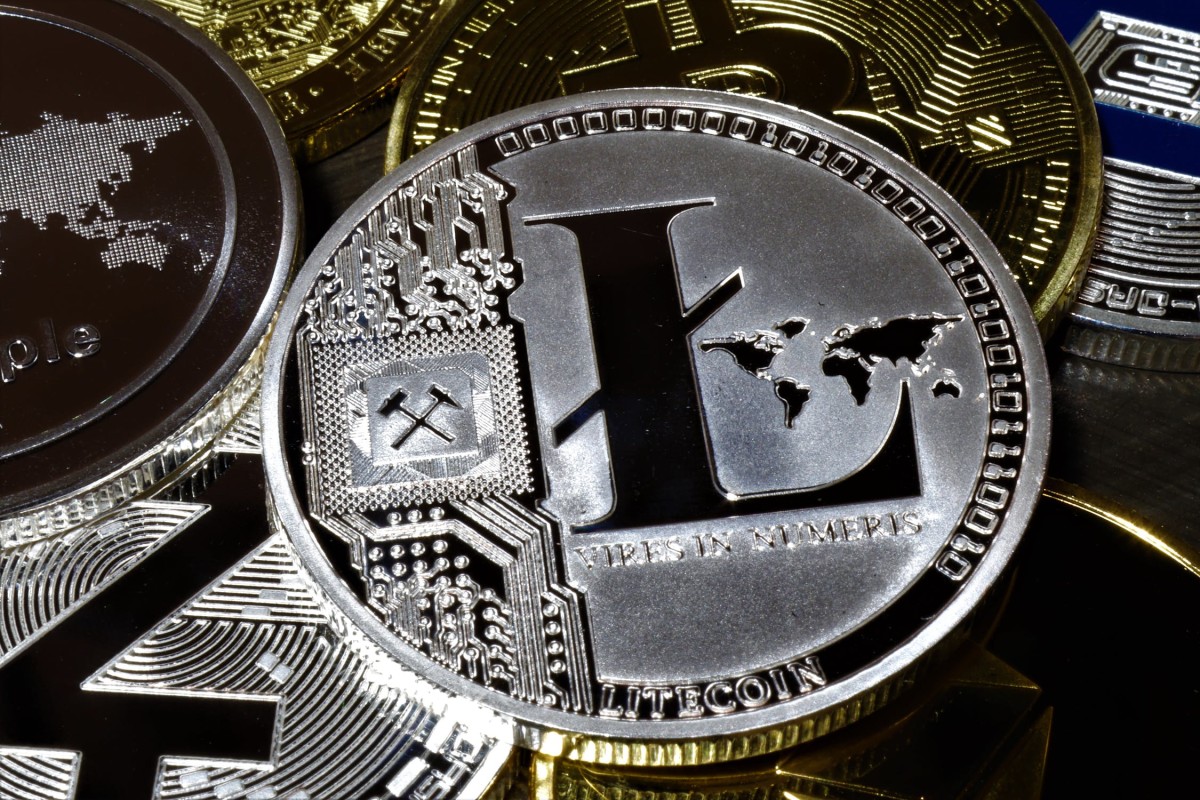
Litecoin occupies a unique and enduring position within the vast and ever-expanding cryptocurrency ecosystem. Its early entry and consistent development have solidified its status as one of the most recognized and widely adopted altcoins, defining a particular niche alongside Bitcoin.
The "Digital Silver" Analogy Explored
The "digital silver" analogy coined by Charles Lee is more than just a catchy phrase; it encapsulates Litecoin's intended function and market positioning. Just as silver has industrial applications and serves as a complementary precious metal to gold, Litecoin aims to be a practical, everyday currency alongside Bitcoin's role as a primary store of value. Bitcoin's slower transaction times and higher fees make it more akin to a digital investment vehicle or "digital gold," suitable for large transfers or long-term holding. Litecoin, with its speed and lower cost, is positioned for more frequent, smaller transactions—the "silver" to Bitcoin's "gold." This complementary relationship allows both cryptocurrencies to thrive by serving distinct, yet equally vital, purposes.
Complementing Bitcoin's "Digital Gold"
Litecoin doesn't seek to compete directly with Bitcoin as the ultimate decentralized store of value. Instead, it aims to fill a different yet equally crucial role: that of a highly liquid and efficient medium of exchange. Many proponents believe that a healthy crypto economy requires both a robust store of value (Bitcoin) and a practical, low-cost transactional currency (Litecoin). This synergy benefits the entire crypto space, offering users flexibility based on their needs—whether it's long-term wealth preservation or quick, everyday payments.
Adoption and Merchant Integration
Over the years, Litecoin has garnered significant adoption among merchants and payment processors. Its faster transaction times and lower fees make it an appealing option for businesses looking to accept cryptocurrency payments without long waiting periods or high processing costs. Major payment gateways and platforms often include Litecoin alongside Bitcoin as an accepted cryptocurrency, reflecting its widespread recognition and utility. This integration into mainstream financial tools enhances its liquidity and accessibility, further cementing its role as a viable digital currency for commerce.
Understanding Litecoin's Security and Development
The longevity and continued relevance of Litecoin are testaments to its robust security framework and the ongoing commitment to its development. Like Bitcoin, its security is primarily derived from its decentralized nature and the proof-of-work consensus mechanism.
Network Security and Decentralization
Litecoin operates on a decentralized peer-to-peer network, secured by cryptography and a proof-of-work mechanism. This means that transactions are validated by a network of miners, making it incredibly difficult for any single entity to control or manipulate the network. The larger the mining network (hash rate), the more secure the blockchain becomes against attacks like the 51% attack. While its hash rate is lower than Bitcoin's, Litecoin maintains a substantial network of miners and nodes, providing a high degree of security for its transactions. Its consistent operation since 2011 without major security breaches further reinforces its trustworthiness.
Continuous Development and Upgrades
Litecoin's development team and community have been proactive in adopting crucial technological advancements to enhance its capabilities. Two significant implementations stand out:
- Segregated Witness (SegWit): Litecoin was one of the first major cryptocurrencies to adopt SegWit in 2017, even before Bitcoin. SegWit is a protocol upgrade that optimizes block space by separating transaction signatures from transaction data. This effectively increases the number of transactions that can fit into a single block, improving scalability and reducing transaction fees. Litecoin's successful implementation of SegWit served as a real-world test case, demonstrating its viability and paving the way for its eventual adoption by Bitcoin.
- Lightning Network: Following SegWit, Litecoin also implemented the Lightning Network, a Layer 2 scaling solution. The Lightning Network enables off-chain transactions, allowing for near-instant and extremely low-cost payments without recording every single transaction on the main blockchain. This further enhances Litecoin's utility for micro-transactions and everyday spending, making it even more competitive as a transactional currency. These continuous upgrades demonstrate the project's commitment to staying at the forefront of blockchain technology and addressing scalability challenges.
Investing in Litecoin: Opportunities and Considerations
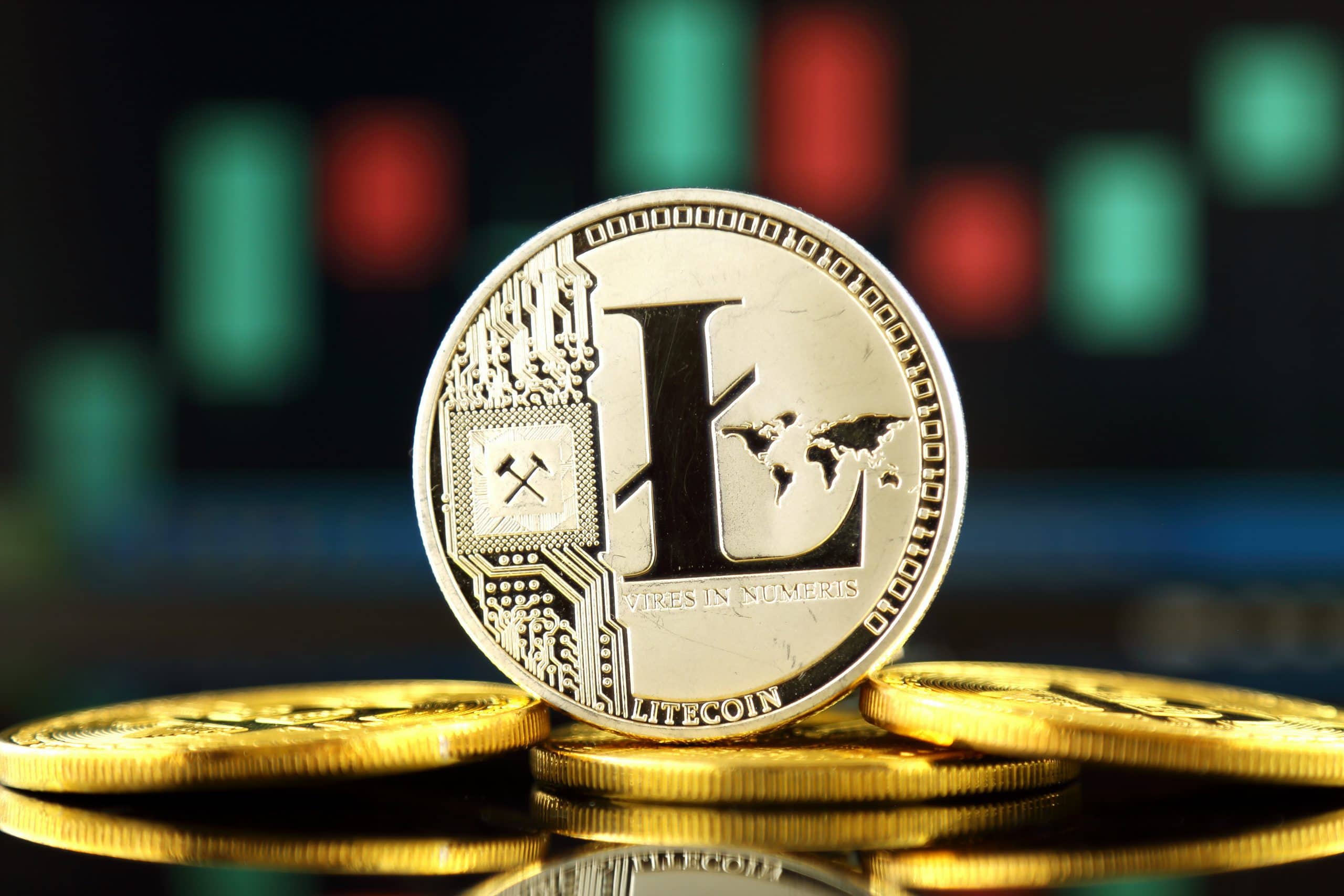
As with any cryptocurrency, investing in Litecoin comes with both potential opportunities and inherent risks. Its established history and technological resilience make it an appealing asset for many, but a nuanced understanding of its market dynamics is crucial.
Volatility and Market Factors
Like most cryptocurrencies, Litecoin's price is subject to significant volatility. Its value can fluctuate dramatically in short periods due to factors such as market sentiment, regulatory news, technological developments, broader economic trends, and even Bitcoin's price movements. While Litecoin's correlation with Bitcoin is often high, it also exhibits independent price action, driven by its own adoption rates, development milestones, and community support. Prospective investors should be prepared for price swings and understand that past performance is not indicative of future results.
Accessibility and Storage
Litecoin is widely accessible on virtually all major cryptocurrency exchanges, making it easy to buy, sell, and trade. This widespread availability contributes to its liquidity and market depth. For storage, Litecoin can be held in various types of wallets, including hardware wallets (like Ledger or Trezor for maximum security), software wallets (desktop or mobile apps), and web wallets offered by exchanges. The choice of wallet depends on the user's balance, security preferences, and convenience needs. Secure storage practices, such as strong passwords and two-factor authentication, are paramount.
Future Potential of Litecoin
Litecoin's future potential largely hinges on its continued adoption as a transactional currency and its ability to innovate in a highly competitive market. Its established brand, technological stability, and active development community provide a strong foundation. As the demand for faster, cheaper, and more efficient digital payments grows, Litecoin stands to benefit from its optimized design for these use cases. Furthermore, its role as a testing ground for innovations before their broader adoption by Bitcoin could continue to position it as a valuable asset within the crypto ecosystem, fostering a dynamic and adaptable digital financial landscape.
Challenges and the Road Ahead for Litecoin
Despite its strong foundation and historical significance, Litecoin faces several challenges in the ever-evolving cryptocurrency landscape. Navigating these hurdles will be crucial for its continued relevance and growth.
Competition from Newer Altcoins
The cryptocurrency market is saturated with thousands of altcoins, many of which promise even faster transactions, lower fees, or advanced smart contract capabilities. Projects like Solana, Avalanche, and various Layer 2 solutions on Ethereum aim to solve similar scalability issues, often with different technological approaches. Litecoin must continuously demonstrate its value proposition and competitive edge against these newer, often heavily funded, competitors. Its simplicity and focus on being a reliable transactional currency may be its strength, but it also means it faces competition from projects with broader functionalities or more aggressive marketing.
Market Perception and Adaptation
Litecoin's "digital silver" narrative, while effective, can sometimes pigeonhole it. As the crypto space matures, investors and users are looking beyond just transactional speed. Features like DeFi capabilities, NFT integration, and advanced smart contracts are increasingly important. While Litecoin has focused on its core strength, there's a constant need to adapt and potentially explore new functionalities without compromising its foundational principles. Maintaining developer interest and community engagement amidst a sea of new projects is also a continuous challenge.
The road ahead for Litecoin involves a careful balance of leveraging its established strengths—its speed, low fees, security, and market recognition—while also adapting to the changing demands and technological advancements of the broader crypto industry. Its ability to remain a practical and reliable medium of exchange, coupled with strategic innovation, will determine its trajectory in the coming years.
Conclusion
Litecoin has undeniably secured its place as a cornerstone of the cryptocurrency world, effectively positioning itself as the "digital silver" in a market often dominated by Bitcoin's "digital gold." Its strategic design, featuring a faster block generation time, a greater coin supply, and lower transaction fees compared to Bitcoin, has consistently reinforced its utility as an efficient and accessible medium of exchange. From its inception by Charles Lee in 2011, Litecoin has been a testament to purposeful innovation, aimed at complementing, rather than competing directly with, its larger predecessor.
The successful implementation of key scaling solutions like SegWit and the Lightning Network further underscores its commitment to technological advancement and scalability, ensuring its continued relevance for everyday transactions in a world increasingly moving towards digital payments. While facing intense competition from newer altcoins and the inherent volatility of the crypto market, Litecoin's established security, robust developer community, and widespread adoption provide a strong foundation for its future. As the demand for fast, reliable, and cost-effective digital currencies grows, Litecoin remains a formidable contender, solidifying its enduring role as a practical and dependable asset in the decentralized financial ecosystem.