Future-Proofing Your Business Model Innovation

In today's rapidly evolving global marketplace, the ability to adapt and transform is not merely an advantage but a fundamental necessity. This constant flux underscores the critical importance of business model innovation for organizations aiming to secure their longevity and competitive edge. Traditional competitive advantages, once built on product features or operational efficiencies, are increasingly fleeting. Businesses must look beyond incremental improvements to reinvent how they create, deliver, and capture value.

The shift is profound. Companies are no longer just competing on what they sell, but on how they sell it, who they sell it to, and how they structure their operations and partnerships. This broader perspective on competition necessitates a proactive and strategic approach to re-evaluating core assumptions about value creation.

Ignoring this imperative risks obsolescence. History is replete with examples of industry giants brought low by agile newcomers who dared to rethink established norms. From Blockbuster to Kodak, the inability or unwillingness to innovate their fundamental business model proved to be a fatal flaw in the face of disruptive technologies and changing customer behaviors.
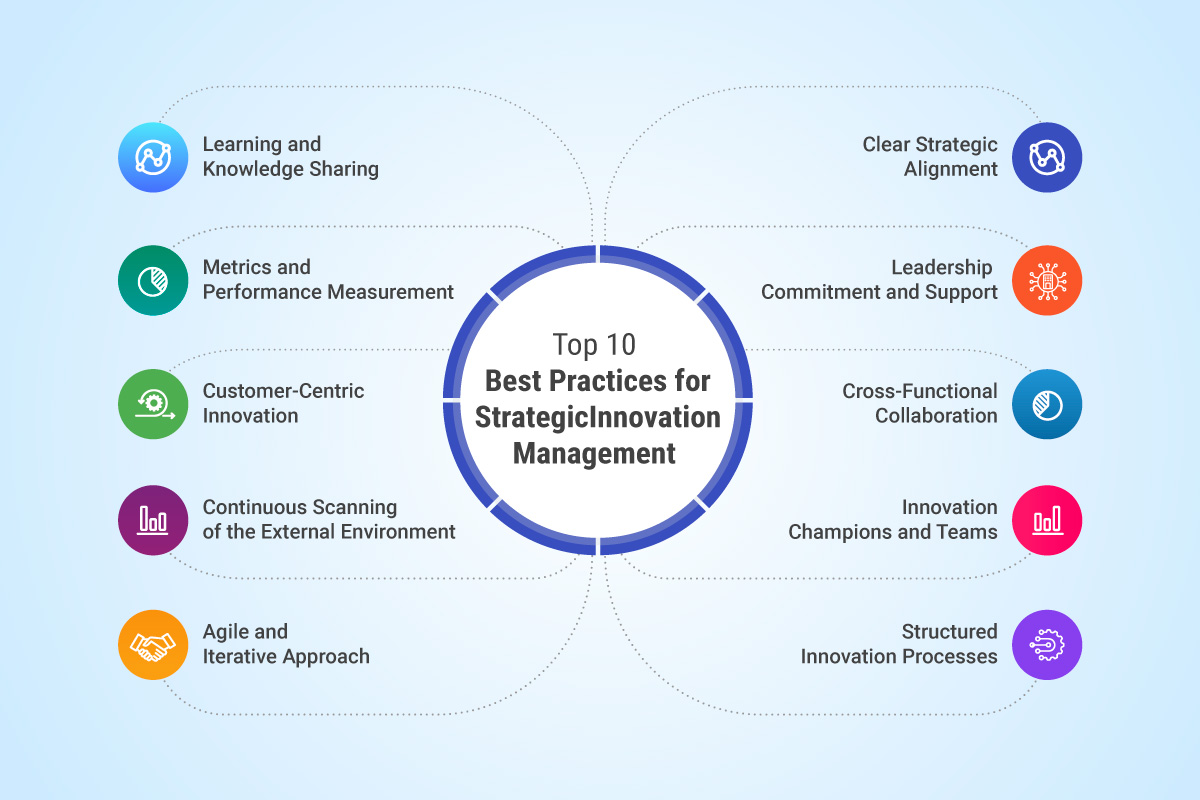
Therefore, understanding, implementing, and continually refining business model innovation is paramount for any enterprise aspiring to thrive, not just survive, in the future. It's about designing a resilient framework that can withstand future shocks and seize emerging opportunities, ensuring your enterprise remains relevant and profitable in an unpredictable world.
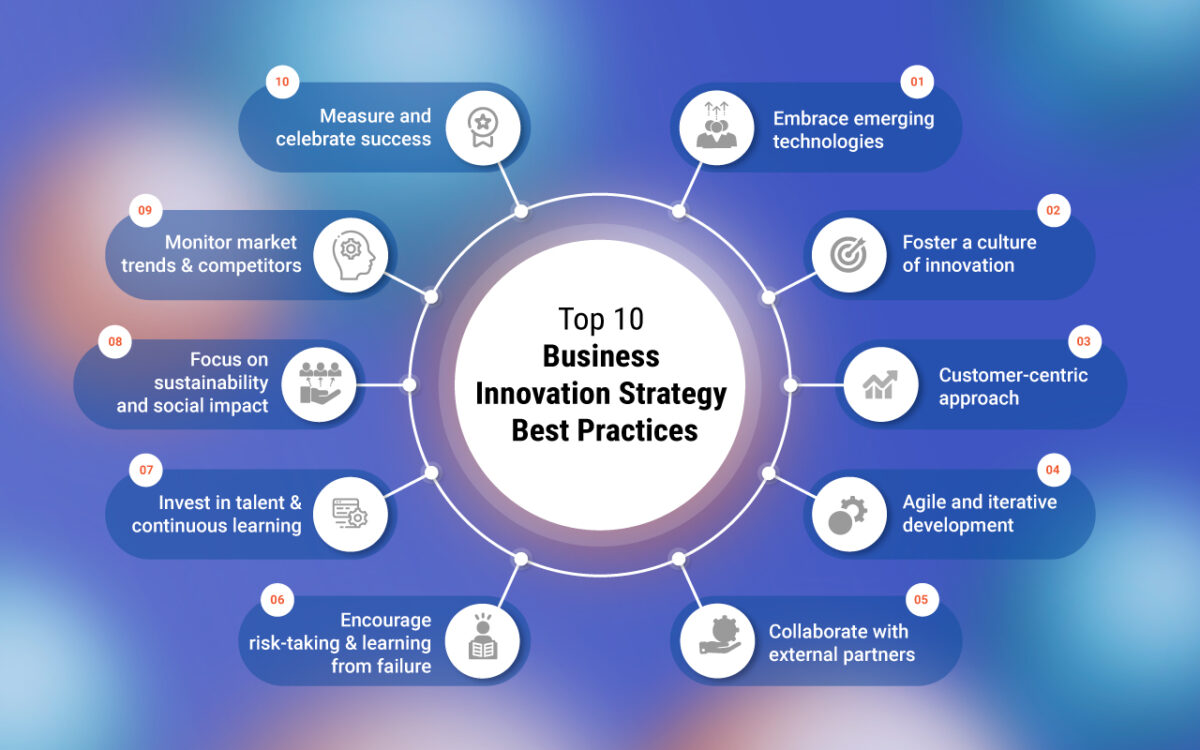
Understanding Business Model Innovation

At its core, business model innovation refers to the redesign of how an organization operates and interacts with its environment to create, deliver, and capture value. Unlike product or process innovation, which focuses on specific offerings or operational improvements, business model innovation is a holistic shift that can involve reconfiguring customer segments, value propositions, channels, customer relationships, revenue streams, key resources, key activities, key partnerships, and cost structure.
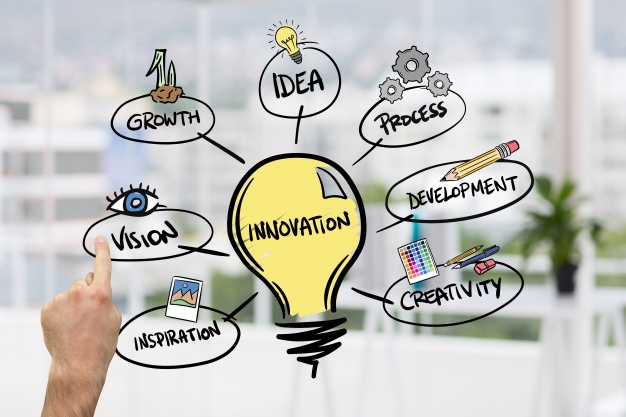
The Anatomy of a Business Model
A business model is essentially a blueprint for how a company creates value for itself and its customers. It comprises several interconnected components:
* Value Proposition: What value does the company deliver to customers? What problems does it solve?
* Customer Segments: Who are the company's target customers?
* Channels: How does the company reach its customers and deliver its value proposition?
* Customer Relationships: What type of relationship does the company establish with its customer segments?
* Revenue Streams: How does the company generate income from its value proposition?
* Key Resources: What assets (physical, intellectual, human, financial) are required to deliver the value proposition?
* Key Activities: What are the most important things the company must do to deliver its value proposition?
* Key Partnerships: Who are the key suppliers and partners needed to deliver the value proposition?
* Cost Structure: What are the most important costs incurred in operating the business model?
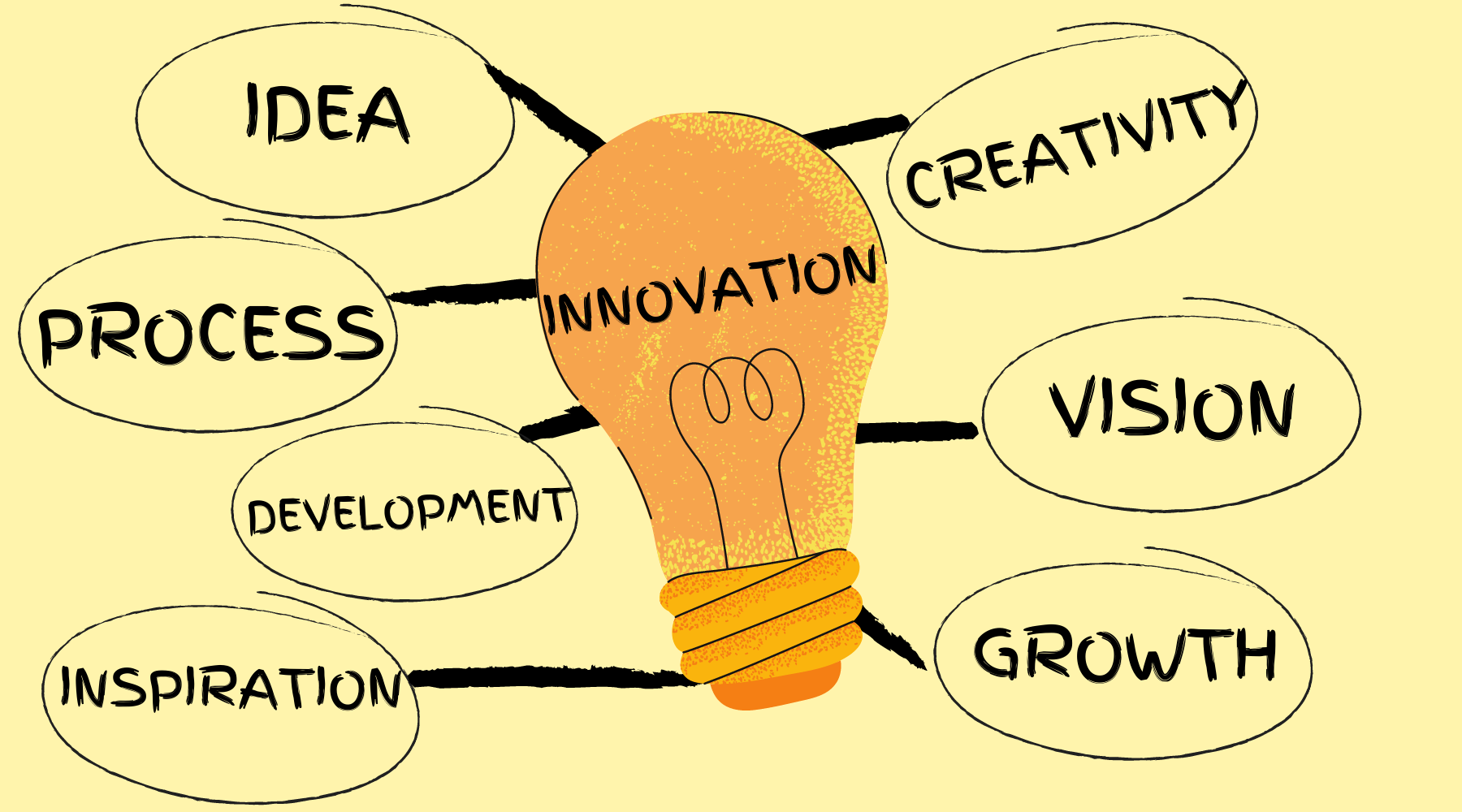
Innovating any of these components, or the interplay between them, constitutes business model innovation. For instance, Netflix didn't just innovate content delivery (from DVDs by mail to streaming); it innovated its revenue model (subscription vs. pay-per-view) and its relationship with customers, making entertainment accessible and on-demand.
Why Business Model Innovation is Crucial for Future-Proofing
The imperative for business model innovation stems from several undeniable forces shaping the modern economy. Neglecting this strategic imperative means exposing your organization to significant risks, while embracing it opens doors to unprecedented growth and market leadership.

Disruptive Technologies and Changing Consumer Behavior
The rapid advancement of technologies such as AI, blockchain, IoT, and cloud computing is constantly creating new possibilities for value creation. These technologies don't just enable new products; they enable entirely new ways of doing business. Concurrently, consumer expectations are evolving, driven by ubiquitous digital experiences. Customers demand greater convenience, personalization, transparency, and value for money. Companies that can leverage technology to meet these new demands through innovative business models gain a significant competitive edge. Think of how Uber leveraged mobile technology and GPS to create a new transportation model, challenging traditional taxis.

Intense Global Competition
The barriers to entry in many industries are decreasing, thanks to globalization and digital platforms. Startups can quickly scale, and established players from other industries can easily pivot into new markets. This increased competition makes traditional competitive advantages, such as proprietary technology or large distribution networks, less sustainable. Business model innovation allows companies to redefine the rules of the game, creating unique value propositions and revenue streams that are harder for competitors to replicate.
Economic Volatility and Resource Scarcity
Economic downturns, supply chain disruptions, and the growing awareness of resource limitations necessitate business models that are more resilient and sustainable. Circular economy models, for instance, aim to minimize waste and maximize resource utilization, often requiring radical rethinking of product design, consumption patterns, and supply chains. Companies that can innovate to reduce their environmental footprint while maintaining profitability will not only appeal to a growing segment of conscious consumers but also future-proof themselves against resource constraints and regulatory pressures.
Key Drivers and Types of Business Model Innovation
Successful business model innovation rarely happens by accident; it's often driven by a deep understanding of market shifts, technological advancements, and evolving customer needs. Recognizing these drivers can help organizations proactively seek out opportunities for transformation.
Drivers of Business Model Innovation
- Technological Advancements: New technologies (e.g., AI, IoT, cloud computing, 5G) can enable entirely new ways of creating and delivering value.
- Changing Customer Needs: Shifts in consumer behavior, preferences, or unsolved pain points can open doors for new models (e.g., subscription services, personalized offerings).
- New Regulatory Frameworks: Changes in laws or regulations can create new opportunities or necessitate a change in existing models (e.g., data privacy laws leading to new data management services).
- Competitive Pressures: The emergence of disruptors or aggressive moves by competitors can force incumbents to innovate their models.
- Resource Constraints/Sustainability Goals: Scarcity of resources or a drive towards environmental sustainability can inspire innovative models that optimize resource use (e.g., sharing economy, circular economy).
Common Types of Business Model Innovation
Business model innovation isn't a single, monolithic concept. It can manifest in various forms, often combining elements to create a truly unique approach.
* Value Proposition Innovation: Delivering new or superior value to customers, often by solving an unmet need or providing a significantly better experience. Example: Spotify offering music streaming as an alternative to buying albums.
* Revenue Model Innovation: Changing how revenue is generated. This could involve shifting from product sales to subscription services, adopting a freemium model, or implementing usage-based pricing. Example: Adobe shifting from selling perpetual software licenses to a Creative Cloud subscription.
* Channel Innovation: Finding new and more effective ways to reach customers. This might involve direct-to-consumer models, leveraging digital platforms, or creating new distribution networks. Example: Warby Parker selling eyeglasses directly online, bypassing traditional retail.
* Ecosystem Innovation: Building new partnerships or leveraging external networks to create value that couldn't be achieved alone. Example: Apple's App Store creating an ecosystem for developers and users.
* Cost Structure Innovation: Finding radical ways to reduce costs, often through automation, outsourcing, or new operational processes, while maintaining or enhancing value. Example: Low-cost airlines optimizing operations to offer cheaper flights.
Strategies for Successful Business Model Innovation
Embarking on the journey of business model innovation requires more than just good ideas; it demands a strategic approach, organizational agility, and a willingness to embrace change and experimentation.
Fostering a Culture of Experimentation
Business model innovation is inherently uncertain. It's impossible to predict exactly which new model will succeed. Therefore, organizations must cultivate a culture that encourages experimentation, learning from failures, and iterating quickly. This involves:
* Hypothesis-Driven Approach: Treat new business models as hypotheses to be tested. Define clear assumptions and design experiments to validate or invalidate them.
* Minimum Viable Products (MVPs): Launch small-scale versions of new models to gather real-world feedback with minimal investment.
* Fail Fast, Learn Faster: Embrace failures as learning opportunities, quickly pivoting or discarding unviable ideas to conserve resources.
Customer-Centricity and Deep Empathy
At the heart of any successful business model is the customer. Innovation should always start with a deep understanding of customer needs, pain points, and aspirations, even those that are unarticulated. This involves:
* Design Thinking: Employ methodologies like design thinking to empathize with customers, define problems, ideate solutions, prototype, and test.
* Co-creation: Involve customers in the innovation process, from ideation to testing, to ensure that new models genuinely address their needs.
* Data Analytics: Utilize data to uncover insights into customer behavior, preferences, and emerging trends, informing model design.
Leveraging Strategic Partnerships and Ecosystems
Few companies can innovate in isolation. Building a robust ecosystem of partners, suppliers, and even competitors can significantly accelerate business model innovation and create network effects. This could include:
* Joint Ventures: Collaborating with other companies to develop and launch new business models.
* Platform Strategies: Creating platforms that enable others (developers, suppliers, customers) to create value, extending your reach and value proposition.
* Open Innovation: Actively seeking ideas and solutions from outside the organization.
Overcoming Internal Resistance
One of the biggest hurdles to business model innovation is often internal resistance. Existing successful models create inertia, and employees may resist changes that threaten their roles, expertise, or established processes. Effective change management is crucial:
* Strong Leadership Buy-in: Top-down commitment is essential to champion new initiatives and allocate necessary resources.
* Clear Communication: Articulate the "why" behind the innovation, explaining the benefits for the organization and its employees.
* Empowerment: Involve employees in the innovation process, giving them ownership and agency.
* Dedicated Innovation Units: Sometimes, creating separate teams or business units dedicated to exploring new models can help circumvent internal antibodies.
Measuring and Sustaining Business Model Innovation
Innovation is not a one-off event but a continuous process. To truly future-proof your business, you must establish mechanisms to measure the success of your innovations and embed a culture of continuous adaptation.
Defining Key Performance Indicators (KPIs)
Traditional financial metrics alone might not capture the early success of a new business model. It's crucial to define specific KPIs that reflect the model's unique value creation and capture mechanisms. These might include:
* Customer Acquisition Cost (CAC) for new models: How efficiently are new customers being brought in?
* Customer Lifetime Value (CLTV): Are customers acquired through the new model more loyal or profitable?
* Network Effects/Ecosystem Growth: For platform models, are the number of partners or users growing?
* Adoption Rates: How quickly are customers adopting the new offering or service?
* Churn Rate: For subscription models, how many customers are leaving?
* Unit Economics: For each transaction or service delivered, what are the costs versus revenue?
Building an Ambidextrous Organization
To sustain innovation, companies need to be ambidextrous – capable of both exploiting current business models (optimizing existing operations for efficiency and incremental growth) and exploring new ones (innovating and venturing into unknown territories). This requires:
* Separate Structures: Sometimes, new business model ventures are best incubated in separate teams or even distinct entities to protect them from the gravitational pull of the core business.
* Resource Allocation: Deliberately allocating resources (funding, talent) to both exploitation and exploration activities.
* Leadership Balance: Leaders who can champion both short-term performance and long-term strategic transformation.
Continuous Adaptation and Iteration
The external environment is constantly changing, meaning even a successful innovative business model will eventually need further adaptation. Companies must remain vigilant, constantly scanning the horizon for new trends, technologies, and competitive threats. This involves:
* Market Sensing: Regularly analyzing market trends, competitive landscapes, and emerging technologies.
* Feedback Loops: Establishing robust mechanisms for collecting customer feedback and operational data to inform continuous improvements.
* Strategic Reviews: Periodically reviewing the entire business model to assess its continued relevance and identify areas for further innovation.
Conclusion
Business model innovation is no longer a luxury but a strategic imperative for any organization seeking to thrive in an increasingly dynamic and competitive world. It is the art and science of fundamentally rethinking how a business creates, delivers, and captures value, moving beyond incremental improvements to achieve transformational growth and resilience. By embracing a culture of experimentation, maintaining a relentless customer focus, strategically leveraging partnerships, and managing internal resistance, companies can successfully navigate the complexities of reinventing themselves.
Future-proofing your business means fostering an environment where continuous adaptation is the norm, where new models are constantly explored, tested, and scaled. It demands a commitment to measuring success beyond traditional metrics and building an ambidextrous organization capable of simultaneously optimizing existing operations while venturing into uncharted territories. In doing so, businesses can not only withstand the shocks of future disruptions but also proactively shape their own destiny, ensuring lasting relevance and prosperity in an ever-evolving global economy.