Unlock Peak Customer Satisfaction

In today's fiercely competitive market, the bedrock of any successful enterprise isn't just a stellar product or service, but rather the profound connection it cultivates with its clientele. This connection is meticulously measured and fundamentally expressed through customer satisfaction. It's more than just a metric; it's a testament to how well a business meets or exceeds its customers' expectations, solving their problems and enriching their lives. High levels of satisfaction translate directly into customer loyalty, repeat business, and powerful word-of-mouth referrals, acting as an invisible yet incredibly effective marketing engine.
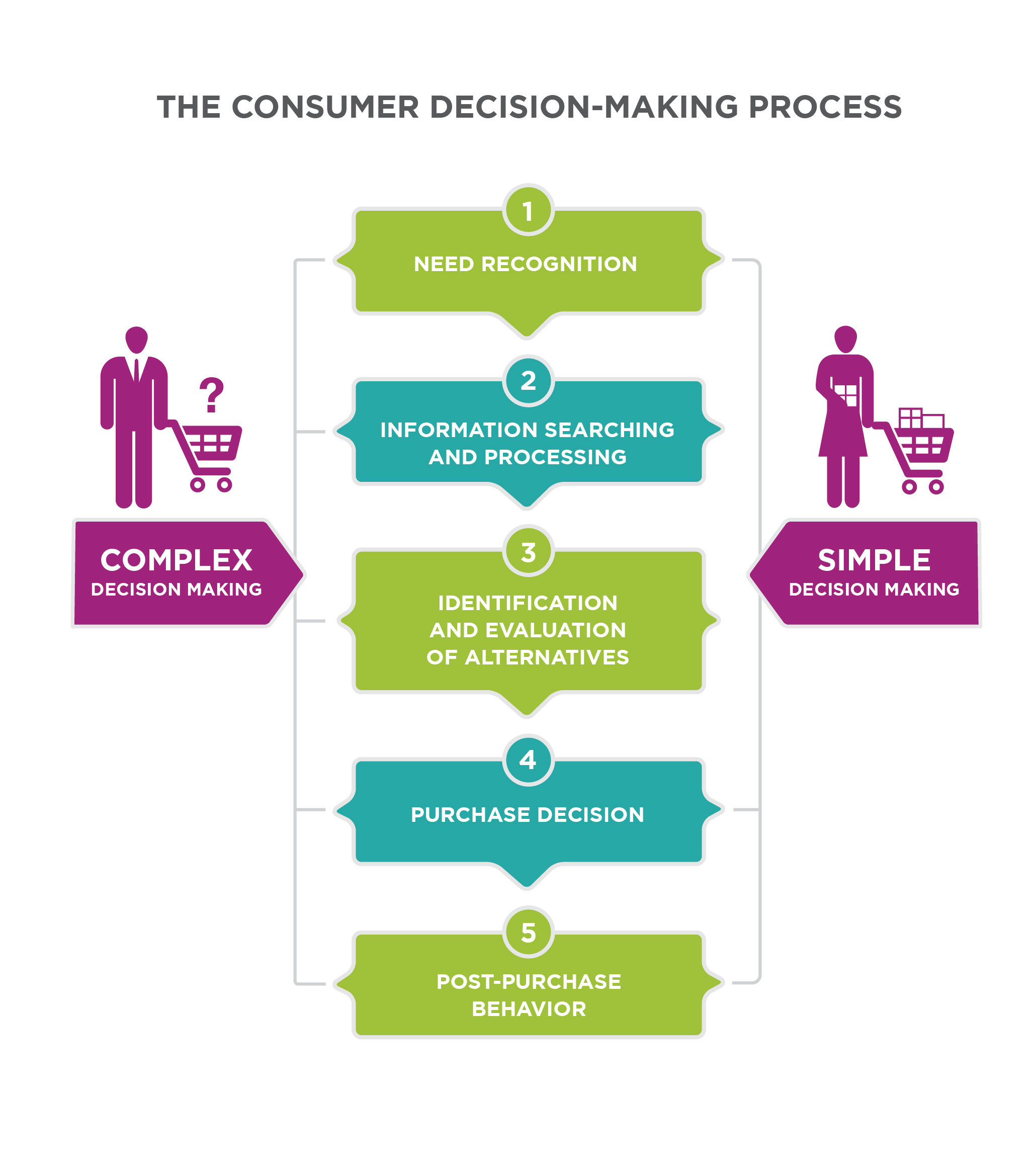
Understanding the nuances of customer satisfaction is pivotal. It encompasses every touchpoint a customer has with your brand, from their initial awareness and research phase, through the purchase process, and extending far beyond to after-sales support and ongoing engagement. Every interaction shapes their perception and contributes to their overall feeling of contentment or frustration.
Businesses that consistently prioritize customer satisfaction recognize that it’s not a one-time achievement but a continuous journey of improvement and adaptation. It requires a deep empathy for the customer's perspective, a commitment to quality, and a proactive approach to addressing needs and concerns. Ignoring this vital aspect can lead to customer churn, reputational damage, and ultimately, a decline in market position.

This article delves into the strategies, tools, and mindsets required to not just achieve, but to unlock peak customer satisfaction, transforming casual buyers into ardent brand advocates. We will explore how to understand your customers, build robust service frameworks, leverage feedback effectively, and foster a culture where customer delight is paramount.

Understanding the Pillars of Customer Satisfaction

Achieving high levels of customer satisfaction begins with a clear understanding of its foundational elements. It's not about making a single, grand gesture, but about consistently excelling in a multitude of areas that collectively shape the customer experience. These pillars support the entire structure of a customer-centric business.

Identifying Customer Needs and Expectations
The first and most critical step is to truly know your customer. What problems are they trying to solve? What are their aspirations, pain points, and preferences? Understanding these deeply allows you to tailor your offerings and interactions. This involves robust market research, creating detailed buyer personas, and actively listening to the voice of the customer through various channels. Expectations can be explicit (e.g., fast delivery, specific product features) or implicit (e.g., feeling valued, easy communication). A business that consistently meets or, even better, exceeds these expectations lays a strong foundation for satisfaction.

The Role of Product/Service Quality
At its core, customer satisfaction is heavily influenced by the quality of the product or service itself. Does it perform as advertised? Is it reliable, durable, and user-friendly? Does the service delivery meet professional standards? A high-quality offering reduces post-purchase problems, minimizes the need for support, and reinforces the customer's decision to choose your brand. Any perceived flaw in quality can quickly erode trust and lead to dissatisfaction, regardless of how good the customer service might be. Quality isn't just about functionality; it's also about the perceived value and the overall experience of using or consuming what you offer.
Strategies for Elevating Customer Satisfaction
Once the foundational understanding is in place, businesses must implement deliberate strategies to actively enhance and maintain high levels of customer satisfaction. These strategies should be integrated across all operational facets, making customer-centricity a core organizational principle.

Delivering Exceptional Customer Service
Customer service is often the most direct determinant of satisfaction. This goes beyond merely resolving issues; it encompasses the entire interaction experience. Exceptional service is characterized by responsiveness, empathy, professionalism, and efficiency. Training staff to be knowledgeable, approachable, and empowered to make decisions significantly impacts how customers perceive their interactions. Proactive service, where potential issues are addressed before they become problems, also plays a crucial role in preventing dissatisfaction. Remember, a single negative customer service experience can undermine years of positive brand building.

Personalization and Proactive Communication
In an era of mass communication, personalization stands out. Addressing customers by name, remembering past interactions, and offering tailored recommendations or solutions demonstrates that you value them as individuals. This level of attention fosters a sense of being understood and appreciated. Alongside personalization, proactive communication is vital. Informing customers about order statuses, potential delays, new features, or relevant updates before they have to ask reduces anxiety and shows thoughtfulness. This consistent, relevant communication builds trust and reinforces a positive relationship.
Streamlining the Customer Journey
Every touchpoint a customer has with your brand, from initial research to post-purchase support, forms a "customer journey." Identifying and optimizing these touchpoints for ease, efficiency, and clarity is paramount for high customer satisfaction. This means intuitive website navigation, simple purchasing processes, clear terms and conditions, easy access to support, and hassle-free returns. Eliminating friction points and creating a seamless, intuitive experience ensures customers can achieve their goals with minimal effort, leading to a much more satisfying overall interaction.
Leveraging Feedback for Continuous Improvement in Customer Satisfaction
Understanding customer satisfaction is an ongoing process that heavily relies on effective feedback mechanisms. Businesses that truly excel don't just ask for feedback; they actively listen, analyze, and implement changes based on what their customers tell them.
Implementing Effective Feedback Mechanisms
There are various robust tools and methods for collecting customer feedback. Surveys are a primary method, including Net Promoter Score (NPS) to measure loyalty, Customer Satisfaction Score (CSAT) for specific interactions, and Customer Effort Score (CES) to gauge ease of use. Direct feedback channels like customer support calls, emails, and live chat logs provide rich qualitative data. Social media monitoring and online reviews offer unsolicited, real-time insights into public perception. Establishing multiple, easily accessible feedback channels ensures customers can voice their opinions when and where it's convenient for them.
Acting on Customer Insights
Collecting feedback is only half the battle; the true value lies in how that data is utilized. Customer insights should drive strategic decisions and operational improvements. This involves regular analysis of feedback trends, identifying common pain points, and recognizing areas of unexpected delight. Implementing a closed-loop feedback system is crucial: when a customer provides feedback, especially negative feedback, they should be contacted, their issue addressed, and ideally, informed about how their input led to improvements. This demonstrates that their voice is heard and valued, transforming potential detractors into advocates and significantly boosting overall customer satisfaction.
Building Loyalty and Retention Through Peak Customer Satisfaction
The ultimate goal of focusing on customer satisfaction is to cultivate lasting customer loyalty and drive long-term business growth. Satisfied customers are not just repeat purchasers; they become brand advocates, contributing significantly to a company's success.
Fostering Long-Term Relationships
Moving beyond transactional interactions to building genuine relationships is key. This involves consistent delivery of value, personalized engagement, and a focus on the customer's long-term success with your product or service. Loyalty programs, exclusive offers, and community building initiatives can solidify these relationships, making customers feel like part of a valued group. Proactive customer success efforts, where you help customers maximize their use of your offerings and achieve their own goals, further cements their commitment and trust in your brand.
The Link Between Employee and Customer Satisfaction
It's often said that happy employees lead to happy customers, and this rings particularly true for customer satisfaction. Employees who feel valued, empowered, and well-trained are more likely to deliver exceptional service. They are your frontline ambassadors, and their attitude and expertise directly impact the customer experience. Investing in employee training, fostering a positive work environment, recognizing their contributions, and providing them with the necessary tools and autonomy empowers them to go above and beyond for customers. A strong internal culture that prioritizes empathy and service excellence will naturally radiate outwards to your customer base.
Measuring and Sustaining High Customer Satisfaction Levels
Achieving peak customer satisfaction is not a static state; it requires continuous measurement, analysis, and adaptation. Businesses must establish robust systems to track performance and commit to an ongoing process of improvement.
Key Metrics and Analytics
Beyond the aforementioned CSAT, NPS, and CES scores, businesses should track a range of metrics to get a holistic view of customer satisfaction. These include:
* Churn Rate: The percentage of customers who stop using your product or service over a given period. High churn often indicates low satisfaction.
* Customer Lifetime Value (CLTV): The total revenue a business can reasonably expect from a single customer account. Satisfied, loyal customers have a higher CLTV.
* Repeat Purchase Rate: The percentage of customers who return to make another purchase.
* Resolution Time: How quickly customer support issues are resolved.
* First Contact Resolution (FCR): The percentage of customer issues resolved on the first interaction.
These metrics provide quantitative insights into the effectiveness of your customer satisfaction strategies, highlighting areas of strength and identifying opportunities for improvement.
Embracing a Culture of Continuous Improvement
Sustaining high levels of customer satisfaction requires embedding it into the very fabric of your organizational culture. This means that customer feedback and satisfaction metrics are regularly reviewed by all levels of management, from frontline staff to executives. It involves cross-departmental collaboration to address issues, share best practices, and innovate solutions. Regular training, process optimization, and a willingness to adapt to changing customer needs and market trends are essential. A truly customer-centric organization views every customer interaction as an opportunity to learn, grow, and reinforce its commitment to excellence.
Conclusion
Unlocking peak customer satisfaction is not merely a goal but a strategic imperative for any business aiming for long-term success and sustainable growth. It extends far beyond simple problem resolution, encompassing every facet of the customer journey, from initial product quality and seamless service delivery to personalized interactions and effective feedback loops. By deeply understanding customer needs, empowering employees, leveraging insightful data, and continuously refining processes, businesses can build profound relationships that transcend mere transactions.
The commitment to customer satisfaction fosters loyalty, reduces churn, and transforms satisfied customers into powerful advocates who organically drive brand growth through positive word-of-mouth. In a marketplace where choices abound, the differentiating factor often boils down to the quality of the customer experience. Prioritizing and consistently delivering on customer expectations is the ultimate pathway to not just surviving, but thriving, ensuring your business remains competitive, resilient, and deeply connected to the very people it serves.