Unlock Growth Financial Forecasting

In today's volatile economic landscape, the ability to anticipate future financial performance is not just an advantage, but a necessity. Financial forecasting serves as the bedrock for sound business decisions, empowering organizations to navigate uncertainties, identify opportunities, and mitigate risks. It involves estimating future financial outcomes based on historical data, current market conditions, and projected trends. For businesses aiming for sustainable growth, accurate forecasting provides the clarity needed to allocate resources effectively, plan for expansion, and maintain a competitive edge.
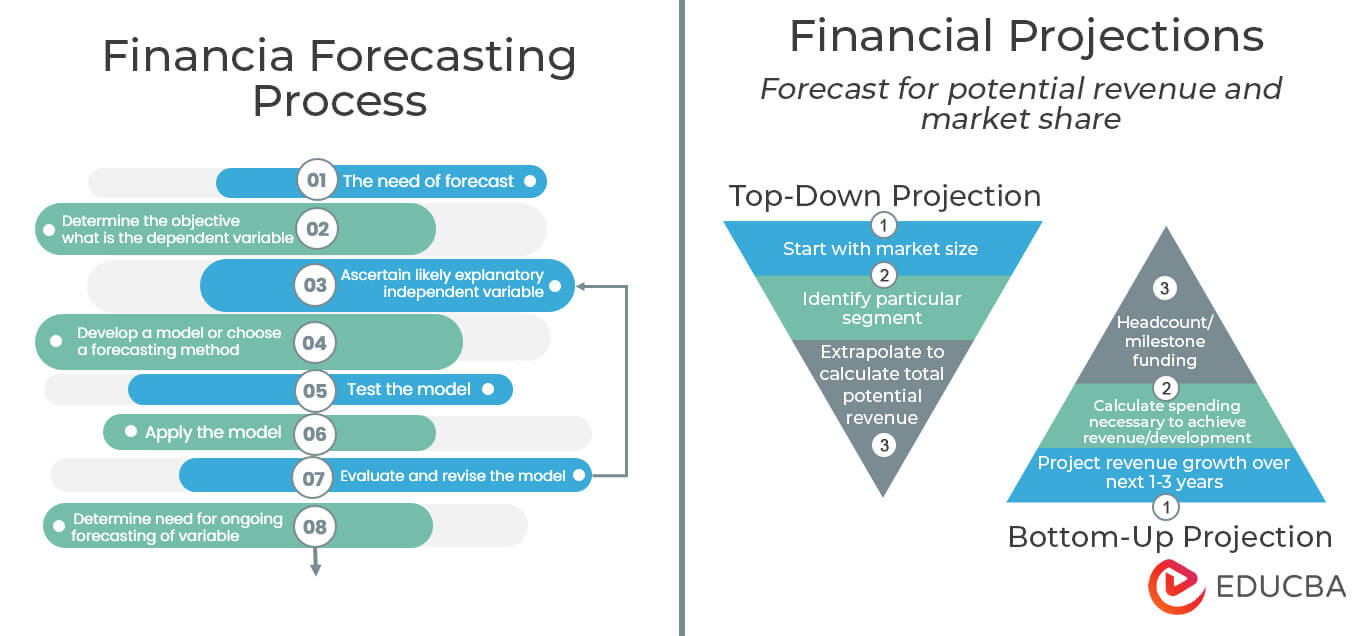
The core essence of effective financial forecasting lies in its capacity to transform historical data and current assumptions into actionable insights about future financial states. This predictive power allows companies to set realistic goals, manage expectations, and adapt their strategies proactively rather than reactively. From startups seeking seed capital to multinational corporations planning complex global operations, the principles of robust financial prediction remain universally critical.

Furthermore, a well-executed financial forecast enables companies to optimize cash flow, manage debt, and make informed investment decisions. It acts as a critical communication tool for stakeholders, including investors, lenders, and internal teams, providing a clear roadmap of the company's financial health and trajectory. Without this foresight, businesses risk flying blind, making decisions based on speculation rather than data-driven predictions, which can lead to missed opportunities or severe financial strain.
What is Financial Forecasting and Why it Matters
Financial forecasting is the process of estimating future financial outcomes for a company or project. It involves analyzing historical data, applying relevant assumptions about future events, and utilizing various quantitative and qualitative methods to project revenue, expenses, cash flow, and profits over a specified period. The primary goal is to provide a reasonable estimation of a business's future financial position, allowing management to make proactive, informed decisions rather than reacting to events as they unfold.

Defining Financial Forecasting
At its heart, financial forecasting is about translating past performance and current trends into an educated guess about what will happen next. This isn't just about crunching numbers; it's about understanding the underlying drivers of a business, including market conditions, operational efficiencies, customer behavior, and competitive landscapes. A robust forecast considers both internal factors, such as production capacity and pricing strategies, and external variables, like economic downturns, regulatory changes, and technological advancements. The output provides a critical roadmap for strategic planning, budgeting, and performance management.

The Strategic Imperative of Accurate Predictions
The accuracy of financial predictions directly impacts a company's strategic planning capabilities. When forecasts are reliable, businesses can confidently set budgets, allocate capital, and develop growth initiatives. For instance, an accurate revenue forecast allows a company to determine appropriate marketing spend or hiring targets. Conversely, an underestimation could lead to missed growth opportunities, while an overestimation might result in overspending and financial distress. Accurate forecasting also supports effective inventory management, ensuring sufficient stock without incurring excessive carrying costs.

How Financial Forecasting Drives Business Resilience
In an era defined by rapid change and unforeseen challenges, financial forecasting is a cornerstone of business resilience. By conducting scenario analysis—predicting outcomes under different conditions (e.g., best-case, worst-case, most likely)—companies can prepare for a range of eventualities. This proactive approach enables them to develop contingency plans, identify potential weaknesses, and build robust financial cushions. The ability to pivot quickly and decisively in response to market shifts or economic shocks is greatly enhanced by a strong foundation of predictive financial intelligence.
Key Methodologies in Financial Forecasting
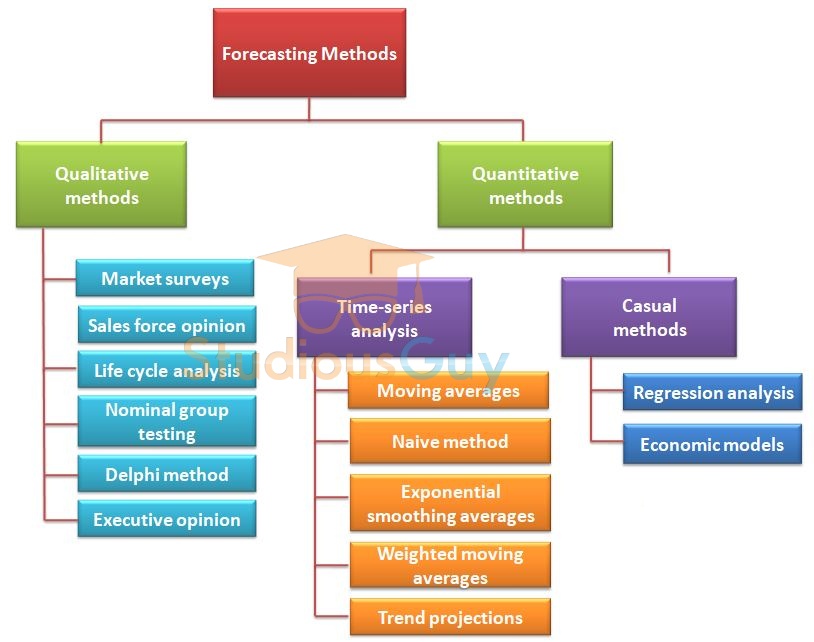
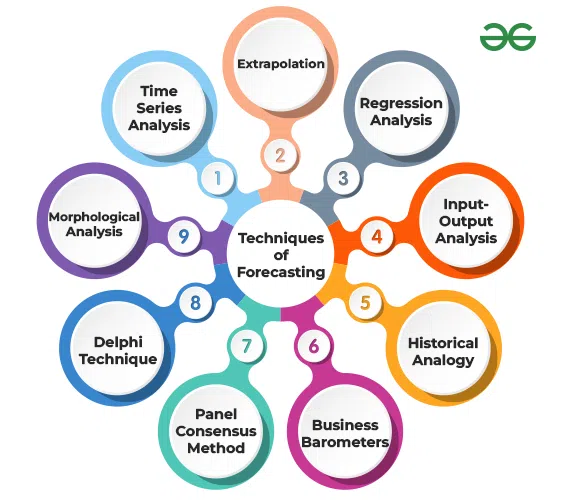
Various methodologies are employed in financial forecasting, each suited to different circumstances and data availability. Choosing the right method depends on the forecast's purpose, the time horizon, and the quality of historical data.

Quantitative Forecasting Methods
Quantitative methods rely on mathematical models and historical data to predict future outcomes. These methods are typically preferred when ample reliable data is available.
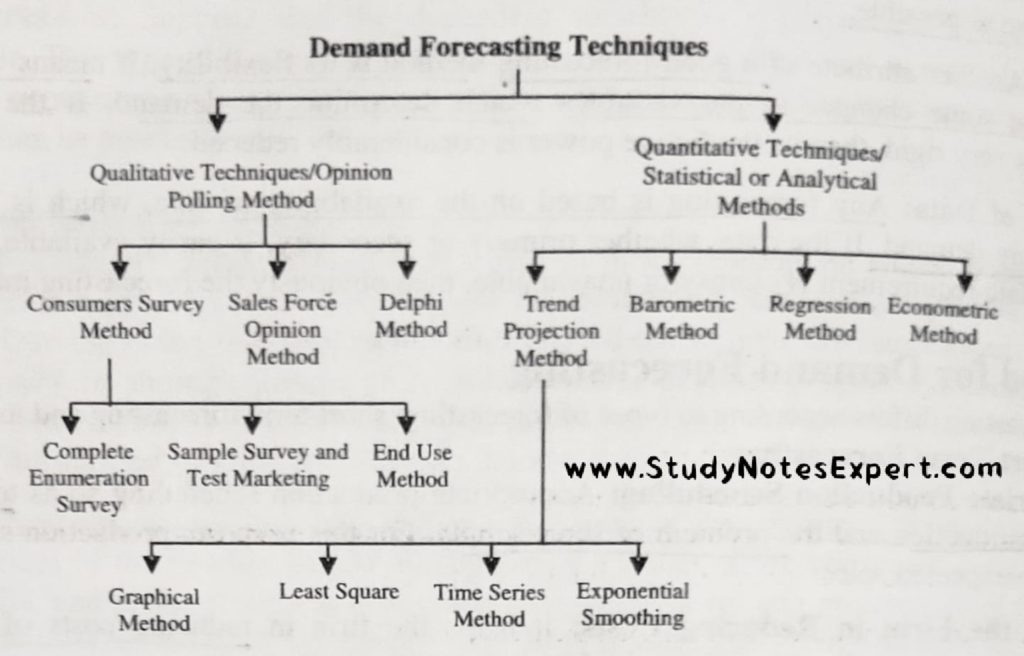
- Time Series Analysis: This involves analyzing past data points collected at regular intervals to identify patterns, trends, and seasonal variations. Common techniques include moving averages, exponential smoothing, and ARIMA (AutoRegressive Integrated Moving Average) models. For example, a retailer might use time series analysis to predict holiday sales based on previous years' sales data.
- Regression Analysis: This statistical method examines the relationship between a dependent variable (what you're trying to forecast) and one or more independent variables (factors that influence it). Simple linear regression uses one independent variable, while multiple regression uses several. For instance, a company might use regression to predict sales based on marketing expenditure and economic indicators.
- Econometric Models: These are more complex models that combine economic theory with statistical methods to forecast economic variables or specific industry trends. They consider a wide array of economic factors and their interdependencies, providing a more comprehensive view of potential future conditions.
Qualitative Forecasting Approaches
Qualitative methods are used when historical data is scarce, unreliable, or when significant changes are anticipated that quantitative models cannot fully capture. They rely on expert judgment, intuition, and experience.
- Delphi Method: This technique involves soliciting forecasts from a panel of experts, often anonymously, through multiple rounds of questionnaires. Feedback from each round is summarized and shared with the experts, allowing them to refine their estimates until a consensus emerges or a clear pattern of opinions becomes apparent.
- Market Research: Gathering information directly from potential customers, suppliers, and competitors can provide valuable insights into future demand, pricing trends, and market acceptance of new products. Surveys, interviews, and focus groups are common tools.
- Expert Opinion: Simply consulting with experienced individuals within the company (e.g., sales managers, production heads) or external industry consultants can provide quick and valuable insights, especially for short-term forecasts or in niche markets.
Choosing the Right Forecasting Technique
The selection of a forecasting technique is crucial. For short-term financial forecasting with stable historical data, quantitative methods often provide accurate results. For long-term forecasts, new product launches, or highly volatile markets, a combination of quantitative and qualitative methods (known as hybrid forecasting) often yields the best outcomes. It's also important to consider the cost and complexity of the method versus the value of the forecast's accuracy.
Types of Financial Forecasts for Different Needs
Financial forecasting isn't a one-size-fits-all process. Different business functions and strategic objectives require specific types of forecasts.
Short-Term vs. Long-Term Financial Forecasting
Short-term financial forecasting typically covers periods of less than one year, focusing on immediate operational needs like cash flow management, working capital, and weekly or monthly sales targets. Its high level of detail supports daily decision-making. Long-term financial forecasting, conversely, spans several years (often 3-5 years or more), providing a broader strategic outlook. It's less detailed but crucial for capital expenditure planning, expansion strategies, and major investment decisions. Both are essential, offering complementary perspectives.
Revenue Forecasting
This is arguably one of the most critical components of any financial forecast. Revenue forecasting predicts the amount of sales a company expects to generate over a specific period. It considers factors such as sales pipeline, market growth, pricing strategies, product launches, and competitive activities. Accurate revenue forecasts are vital for setting budgets, managing inventory, and planning production.
Expense Forecasting
Expense forecasting estimates a company's future operating costs, including both fixed costs (rent, salaries) and variable costs (raw materials, production expenses). It helps businesses understand their cost structure, identify areas for cost reduction, and ensure sufficient funds are available to cover operations. This forecast often aligns closely with activity levels projected in the revenue forecast.
Cash Flow Forecasting
Perhaps the most immediate and critical forecast for day-to-day operations, cash flow forecasting predicts the inflows and outflows of cash over a specific period. It helps businesses manage liquidity, ensuring they have enough cash to meet short-term obligations and avoid insolvency. It's distinct from profit forecasting, as profit doesn't always equate to available cash.
Profit and Loss Forecasting
Also known as an income statement forecast, this projects a company's future revenues, expenses, and ultimately, its net profit or loss. It provides a comprehensive view of a company's profitability over time, crucial for investors and stakeholders assessing financial health and performance.
The Tangible Benefits of Robust Financial Forecasting
Effective financial forecasting yields a multitude of benefits, translating directly into improved operational efficiency, strategic advantage, and enhanced financial stability.
Informed Decision-Making and Strategic Planning
Forecasting provides the data-driven insights necessary for making well-informed business decisions. Whether it's deciding to launch a new product, enter a new market, or invest in new technology, a solid forecast helps evaluate the potential financial implications. It allows management to set realistic goals, identify potential pitfalls, and align departmental strategies with overall corporate objectives.
Optimizing Budgeting and Resource Allocation
A reliable forecast is the foundation of an effective budget. It allows companies to allocate financial and human resources more efficiently by anticipating needs and constraints. By predicting revenue and expenses, businesses can ensure that capital is directed towards the most productive areas, preventing both under-resourcing and wasteful overspending. This optimization leads to better utilization of assets and improved return on investment.
Enhancing Risk Management and Mitigation
Financial forecasting enables proactive identification of potential financial risks, such as cash shortages, declining sales, or increasing operational costs. By anticipating these challenges, businesses can develop mitigation strategies before they escalate into crises. Scenario planning, a core component of forecasting, allows companies to model various economic conditions and develop contingency plans for each, significantly enhancing their ability to withstand adverse events.
Improving Investor Confidence and Funding Opportunities
For external stakeholders, particularly investors and lenders, a well-researched and transparent financial forecast signals strong financial management and a clear vision for the future. It demonstrates a company's understanding of its market, its ability to manage finances, and its potential for growth. This transparency can significantly boost investor confidence, making it easier to secure funding, attract investment, and build long-term relationships with financial partners.
Overcoming Challenges in Financial Forecasting
Despite its benefits, financial forecasting is not without its challenges. Overcoming these hurdles is key to achieving accurate and actionable predictions.
Data Accuracy and Availability
The foundation of any good forecast is reliable data. Inaccurate, incomplete, or inconsistent historical data can lead to skewed predictions. Businesses often struggle with fragmented data sources, lack of standardized data collection, or simply insufficient historical records, especially for new ventures or products. Investing in robust data management systems and ensuring data integrity are crucial steps.
Market Volatility and Unpredictability
External factors, such as economic recessions, supply chain disruptions, geopolitical events, and rapid technological advancements, can introduce significant volatility and unpredictability into market conditions. These sudden shifts are challenging to predict and can quickly render even well-researched forecasts obsolete. This necessitates a flexible approach, allowing for frequent revisions and sensitivity analysis.
Behavioral Biases and Assumptions
Human judgment plays a significant role in forecasting, and this can introduce biases. Over-optimism, anchoring to past successes, or a reluctance to challenge assumptions can lead to unrealistic forecasts. Additionally, the assumptions made about future events—such as market growth rates, competitor actions, or customer behavior—can dramatically impact the forecast's accuracy. It's important to document assumptions clearly, test them rigorously, and involve multiple perspectives to minimize bias.
Integrating Different Data Sources
Modern businesses generate data from myriad sources: ERP systems, CRM platforms, marketing automation tools, external market data providers, and more. Integrating these disparate datasets into a cohesive framework for forecasting can be complex. Siloed data makes it difficult to gain a holistic view of the business and can lead to inconsistencies in projections. Unified data platforms and advanced analytics tools are increasingly important for overcoming this challenge.
Leveraging Technology for Advanced Financial Forecasting
The evolution of technology has profoundly impacted the capabilities of financial forecasting, moving it from spreadsheet-bound calculations to sophisticated, data-driven predictions.
The Rise of AI and Machine Learning in Forecasting
Artificial Intelligence (AI) and Machine Learning (ML) are transforming forecasting by identifying complex patterns and relationships in vast datasets that human analysts might miss. ML algorithms can process historical data, external indicators, and even unstructured data (like news sentiment) to generate highly accurate predictions, adapt to changing conditions, and continuously learn from new information. This leads to more dynamic and precise forecasts, especially for large, complex organizations.
Cloud-Based Forecasting Tools
Cloud computing has democratized access to powerful forecasting software. Cloud-based platforms offer scalability, accessibility, and collaboration features that traditional on-premise solutions cannot match. They allow finance teams to work together on forecasts from anywhere, integrate with other cloud services, and leverage advanced analytics without significant upfront IT infrastructure investments. This flexibility is particularly beneficial for businesses with distributed teams or those undergoing rapid growth.
Integrating ERP and CRM Systems
Seamless integration between Enterprise Resource Planning (ERP) systems and Customer Relationship Management (CRM) systems is vital for comprehensive forecasting. ERP systems provide granular financial and operational data (e.g., sales orders, inventory levels, cost data), while CRM systems offer insights into sales pipelines, customer interactions, and lead generation. By connecting these systems, businesses can create more accurate revenue, sales, and demand forecasts based on real-time operational and customer data, improving the overall accuracy of their financial forecasting.
Best Practices for Effective Financial Forecasting
To truly unlock growth through financial forecasting, businesses must adhere to certain best practices that enhance accuracy, relevance, and usability.
Regular Review and Adjustment
Forecasts are not static documents; they are living tools that require regular review and adjustment. Market conditions, internal operations, and economic factors are constantly changing. Businesses should establish a routine for reviewing forecasts (e.g., monthly or quarterly), comparing actual results to projections, and identifying deviations. This allows for timely revisions, keeping the forecast relevant and accurate.
Scenario Planning and Sensitivity Analysis
Instead of creating a single "best guess" forecast, incorporate scenario planning. Develop multiple forecasts based on different assumptions (e.g., optimistic, pessimistic, most likely) to understand the range of potential outcomes. Sensitivity analysis goes further, testing how changes in key variables (e.g., sales volume, raw material costs) impact the forecast. This prepares the business for various eventualities and helps identify key drivers and risks.
Collaboration Across Departments
Effective financial forecasting is a cross-functional effort. Involve various departments—sales, marketing, operations, HR—in the forecasting process. Sales teams provide insights into pipelines and customer demand, operations teams offer data on production capacity and costs, and HR can inform staffing needs. This collaborative approach ensures that forecasts are grounded in diverse perspectives and comprehensive operational realities, leading to more robust and accurate predictions.
Continuous Learning and Improvement
Forecasting is an iterative process. Businesses should continuously evaluate their forecasting methods, tools, and assumptions. Analyze the reasons for forecast inaccuracies and learn from past mistakes. Invest in training for forecasting teams, explore new technologies, and remain open to refining methodologies. A commitment to continuous learning ensures that the forecasting function evolves with the business and market dynamics, consistently delivering value.
Conclusion

Financial forecasting is far more than a mere projection of numbers; it is an indispensable strategic tool that empowers businesses to navigate complexity, seize opportunities, and ensure long-term sustainability. From providing the insights for informed decision-making and optimizing resource allocation to enhancing risk management and bolstering investor confidence, its benefits are profound and far-reaching. While challenges such as data accuracy and market volatility exist, leveraging advanced technologies like AI and adhering to best practices such as regular review, scenario planning, and cross-departmental collaboration can transform forecasting into a powerful engine for growth. By embracing a robust and adaptive approach to financial forecasting, companies can unlock their full potential, ensuring resilience and prosperity in an ever-evolving global economy.