Unleash Growth with Competitive Analysis

In today's dynamic business landscape, achieving sustainable growth is not merely about having a great product or service; it's about understanding your position relative to others. This crucial understanding comes from competitive analysis, a systematic process of identifying your key competitors, evaluating their strengths and weaknesses, and discerning their strategies. It’s an indispensable discipline that empowers businesses to anticipate market shifts, identify emerging threats, and capitalize on untapped opportunities. Without a clear picture of the competitive environment, even the most innovative enterprises can find themselves adrift in a sea of rivals.

Competitive analysis goes beyond simply knowing who your rivals are. It delves deep into their marketing tactics, pricing strategies, product features, customer service models, and technological advantages. By dissecting these elements, businesses can gain invaluable insights into industry benchmarks and best practices. This granular understanding allows for a more informed strategic planning process, ensuring that business decisions are proactive rather than reactive.

Moreover, a thorough competitive analysis illuminates areas where your business excels and areas where it lags. It highlights potential gaps in the market that your competitors are not addressing, offering fertile ground for differentiation and innovation. Conversely, it can expose competitive strengths that you might need to neutralize or emulate, guiding your resource allocation and strategic investments. The ultimate goal is to arm your organization with the knowledge required to not just survive, but to thrive and lead in its chosen market.

By meticulously evaluating the competitive landscape, businesses can refine their unique value proposition, optimize their operational efficiencies, and enhance their customer acquisition and retention strategies. It’s a continuous process that, when executed effectively, transforms external market data into actionable intelligence, paving the way for sustained innovation and market leadership. Embracing competitive analysis is not just a strategic option; it's a fundamental requirement for any organization aiming to unleash its full growth potential.
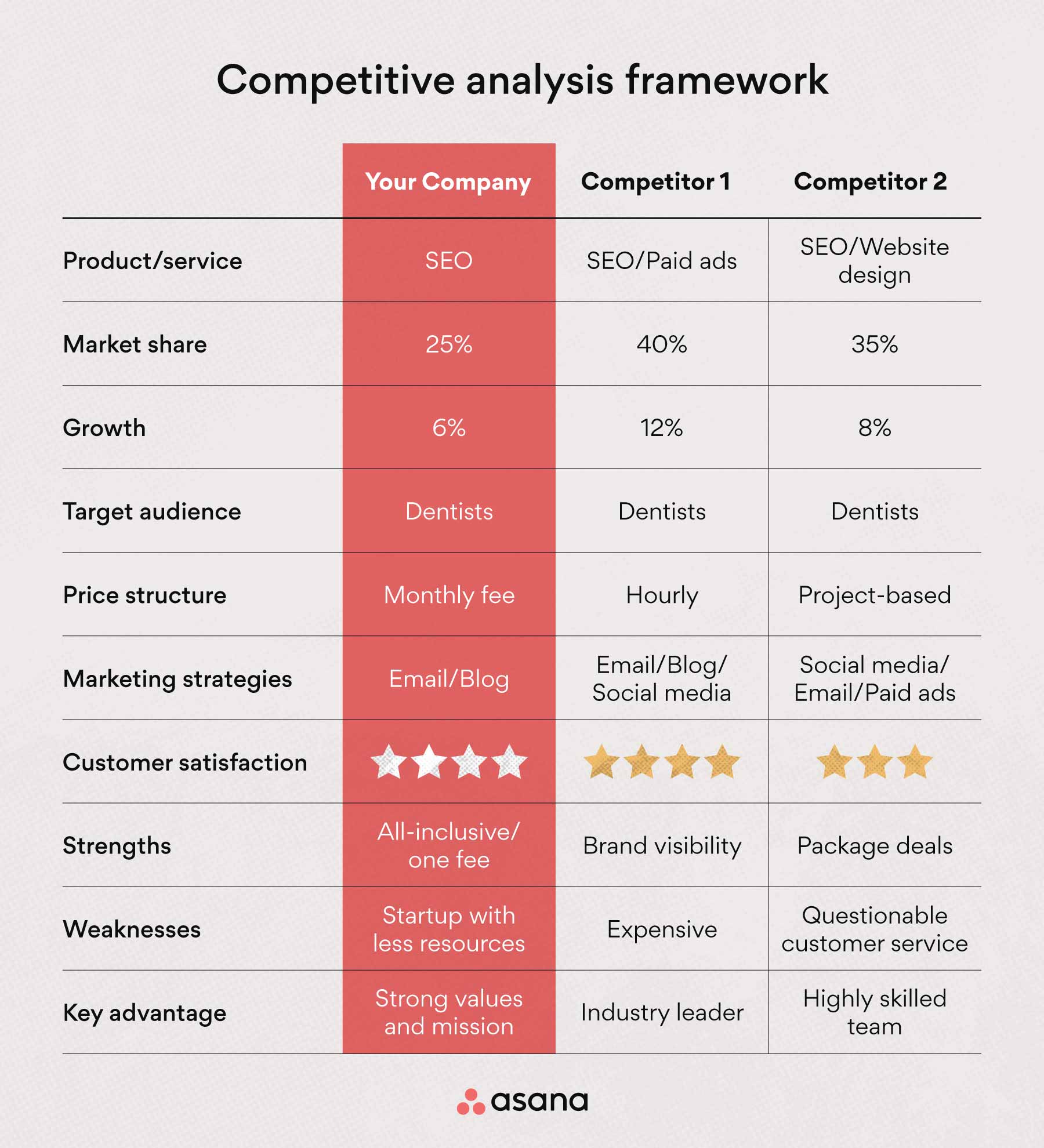
Understanding Competitive Analysis: The Foundation of Strategy

Competitive analysis is the cornerstone of any robust business strategy. At its heart, it's about systematically gathering and interpreting information about your competitors. This isn't just a one-off exercise but an ongoing process that helps a business understand its relative position in the market. It encompasses a wide array of activities, from monitoring competitor pricing and product launches to dissecting their marketing campaigns and customer engagement strategies. The insights derived from this analysis provide the necessary context for strategic decision-making, allowing companies to respond effectively to market changes and proactively shape their future.
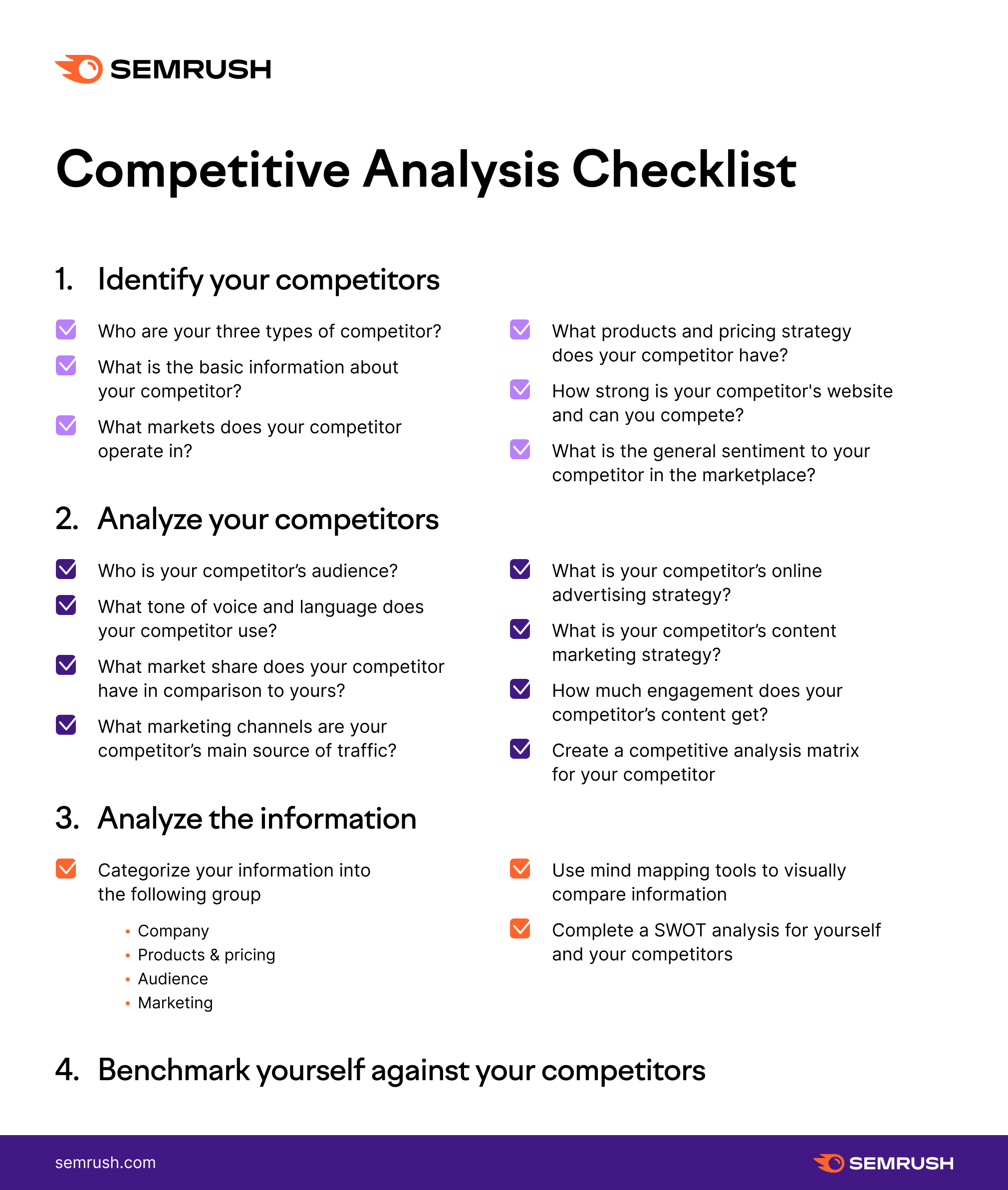
The core objective of competitive analysis is to gain a clear, actionable understanding of the market structure and the forces at play. This includes identifying direct and indirect competitors, understanding their market share, financial performance (where possible), organizational structure, and technological capabilities. It also involves assessing their customer base, brand perception, and distribution channels. By mapping out these elements, a business can construct a comprehensive picture of the competitive landscape, identifying both the threats that need mitigation and the opportunities that can be seized.

Why Competitive Analysis is Indispensable for Growth
The importance of competitive analysis cannot be overstated in today's fast-paced business world. It provides a strategic compass, guiding businesses toward sustainable growth and market dominance. Without a clear understanding of what competitors are doing, businesses risk making uninformed decisions, missing out on critical market opportunities, or being caught off guard by competitive moves.
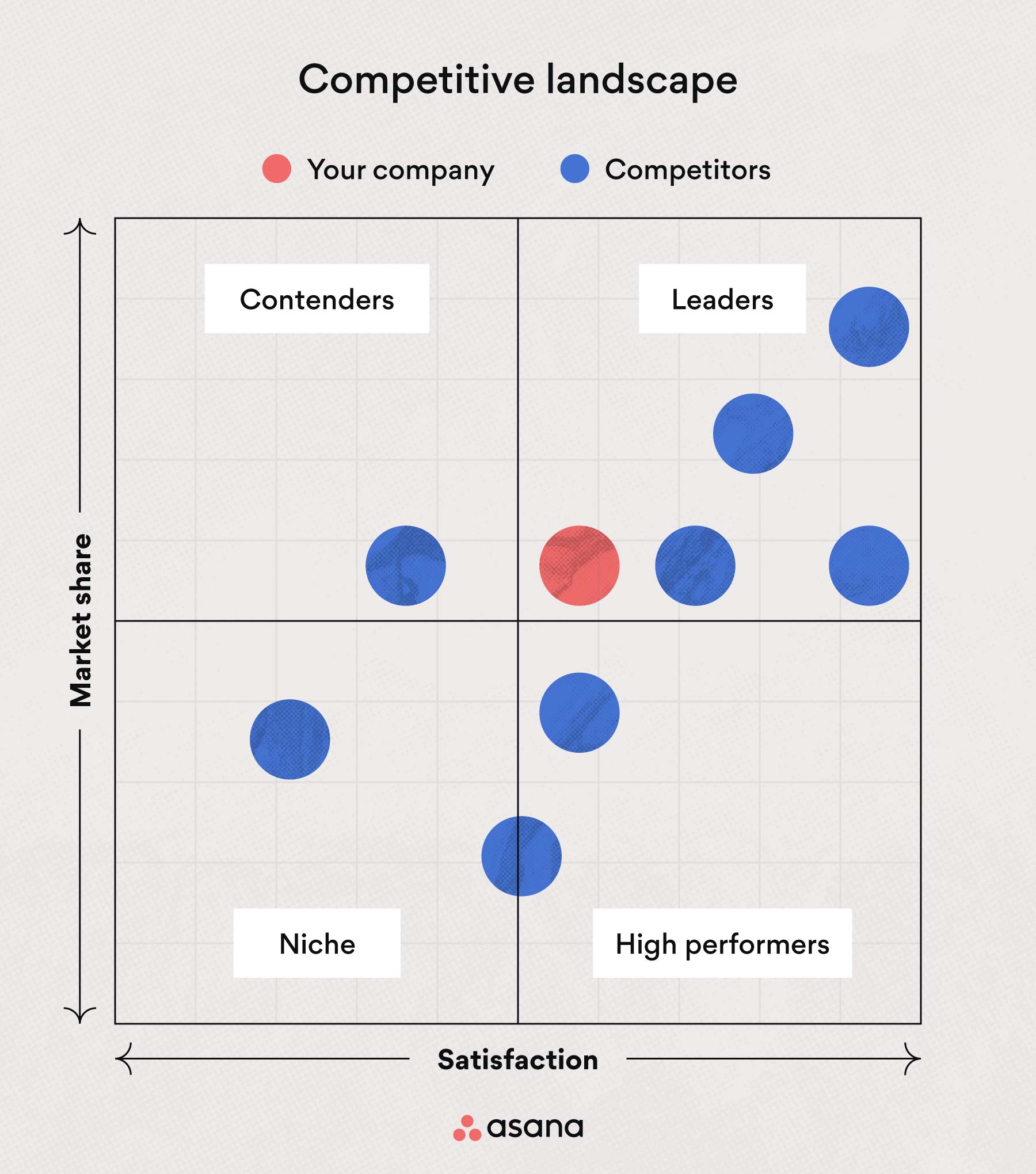
Firstly, competitive analysis enables informed strategic planning. By knowing your rivals' strengths and weaknesses, you can better position your own products or services, identify niche markets, and develop unique selling propositions (USPs) that resonate with target customers. This leads to more effective marketing campaigns and product development initiatives that are truly aligned with market needs and competitive realities.

Secondly, it helps in identifying market gaps and opportunities. Competitors often leave certain customer segments underserved or certain needs unaddressed. A thorough analysis can reveal these "white spaces" that your business can fill, leading to innovation and new revenue streams. It can also highlight emerging trends that your competitors might be capitalizing on, prompting you to adapt or innovate faster.
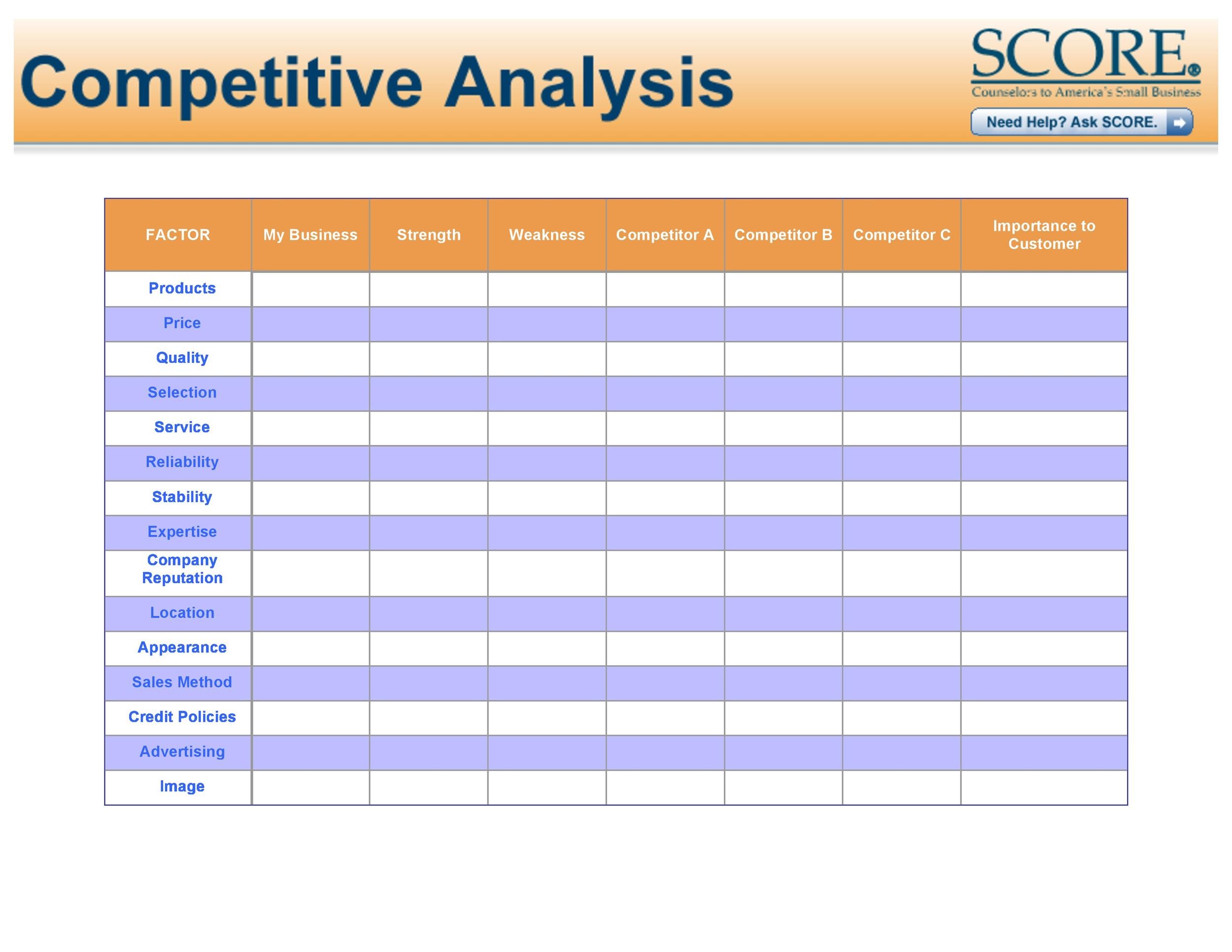
Thirdly, competitive analysis aids in risk mitigation. Understanding competitor strategies allows you to anticipate their next moves, whether it's a price cut, a new product launch, or an aggressive marketing campaign. This foresight enables your business to prepare counter-strategies, protecting your market share and profitability. It also helps in identifying potential competitive threats before they escalate into major problems.
Finally, it fosters continuous improvement and innovation. By benchmarking against competitors, businesses can identify areas where they can improve their operational efficiency, product quality, or customer experience. It encourages a culture of learning and adaptation, pushing organizations to constantly evolve and stay ahead of the curve. Ultimately, competitive analysis is not just about reacting to competitors; it's about proactive leadership and carving out a distinct, defensible position in the market.
The Core Components of Effective Competitive Analysis
To conduct a truly effective competitive analysis, a systematic approach that covers several key areas is essential. Each component provides a piece of the puzzle, contributing to a holistic understanding of the competitive landscape.
Identifying Competitors
The first step is to accurately identify your competitors. This includes not only direct competitors who offer similar products/services to the same customer base, but also indirect competitors who might satisfy the same customer need through different means. Emerging startups or disruptive technologies can also be significant future competitors. Tools like keyword research, market reports, and customer surveys can help in this identification process.
Product/Service Analysis
This involves a detailed examination of competitors' offerings. What are their key features, benefits, and specifications? How do they differ from yours? What is their quality, design, and user experience like? Understanding their product roadmap and recent innovations can provide insights into their future direction.
Pricing Strategies
Analyze how competitors price their products or services. Are they premium, budget-friendly, or value-based? Do they offer discounts, bundles, or subscription models? This helps in positioning your own pricing strategy competitively while maintaining profitability.
Marketing and Sales Tactics
Delve into their marketing channels (social media, content marketing, SEO, paid ads, PR), messaging, and promotional activities. How do they acquire customers? What are their sales processes like? Are they strong in digital marketing or traditional advertising? This sheds light on their customer acquisition funnel and brand communication.
Online Presence and Digital Strategy
Evaluate their website usability, SEO performance (keywords they rank for, backlinks), social media engagement, and overall online reputation. Tools can help analyze their website traffic, content strategy, and digital ad spending.
Customer Experience and Support
Investigate their customer reviews, testimonials, and support channels. How do customers perceive their service quality? Are there common complaints or praises? This can reveal opportunities to differentiate through superior customer experience.
Financial Health and Market Share (where accessible)
Understanding a competitor's financial stability, funding rounds, revenue, and market share (if publicly available or estimable) can provide insights into their sustainability and capacity for future investments.
Technology and Innovation
What technologies are they using? Are they investing in R&D? Are there patents or unique intellectual property they possess? This helps in assessing their potential for future disruption or competitive advantage.
A Step-by-Step Guide to Conducting Competitive Analysis
Executing a comprehensive competitive analysis requires a structured approach. Following these steps can ensure thoroughness and actionable insights.
Define Your Objectives: Before diving in, clearly articulate what you want to achieve with this analysis. Are you looking to improve product features, refine pricing, optimize marketing spend, or identify new market segments? Clear objectives will guide your research.
Identify Your Top Competitors: Start with 5-10 direct and indirect competitors who pose the most significant threat or offer the most valuable insights. Focus on those who compete for the same customer base or fulfill similar needs.
Gather Data: This is the most extensive step. Collect data from various sources:
- Primary Research: Customer surveys, interviews, mystery shopping, competitive sales calls.
- Secondary Research: Competitor websites, annual reports, press releases, job postings, social media, online reviews (Yelp, Google Reviews, G2, Capterra), industry reports, news articles, financial statements (for public companies).
- Tools: SEO tools (SEMrush, Ahrefs, Moz), social media listening tools (Brandwatch, Sprout Social), web analytics tools (SimilarWeb), market research platforms.
Analyze Competitor Strategies and Performance: Organize the collected data. Create profiles for each competitor, detailing:
- Products/Services and their features.
- Pricing models and strategies.
- Marketing channels and messaging.
- Sales processes.
- Strengths, weaknesses, opportunities, and threats (SWOT analysis for each competitor).
- Unique selling propositions (USPs).
- Customer feedback and reputation.
Benchmark Against Your Own Business: Compare your findings with your own company's performance, products, and strategies. Identify where you excel and where you fall short. Look for areas where competitors are doing well that you could emulate or improve upon.
Identify Opportunities and Threats: Based on the comparison, pinpoint specific opportunities (e.g., underserved market segments, product gaps, weaknesses in competitor strategies) and threats (e.g., new product launches, aggressive pricing, strong marketing campaigns by competitors).
Develop Actionable Insights and Recommendations: Translate your findings into clear, actionable recommendations for your business. For example: "Launch a new feature X because competitor Y lacks it," or "Adjust pricing strategy for product Z to match market expectations."
Implement and Monitor: Put your recommendations into action. Remember that competitive analysis is an ongoing process. Continuously monitor your competitors and the market to stay updated and adapt your strategies as needed.
Leveraging Competitive Insights for Strategic Advantage
The true power of competitive analysis lies not just in collecting data, but in transforming that data into strategic advantages that drive business growth. It's about turning knowledge into power.
Informing Product Development and Innovation
Competitive insights can be a goldmine for product teams. By understanding what features competitors offer, what their customers complain about, and where there are market gaps, companies can design products that truly differentiate themselves. This might involve adding unique features, improving user experience, or developing entirely new solutions that address unmet needs. Competitive analysis ensures that innovation is market-driven and strategically sound.
Refining Marketing and Sales Strategies
Knowing how competitors attract and convert customers allows you to fine-tune your own marketing and sales efforts. If a competitor is excelling on a particular social media platform, you might invest more there. If their messaging resonates strongly with a specific demographic, you can learn from their approach or find a different angle. It helps in optimizing ad spend, crafting more compelling messaging, and training sales teams to highlight your unique strengths against competitor weaknesses.
Optimizing Pricing Strategies
Competitive pricing analysis is crucial. It helps you understand the perceived value of your product relative to competitors and informs decisions about whether to price higher (premium), lower (value-driven), or competitively match. It also helps in anticipating competitive price wars and preparing responses.
Identifying New Market Opportunities
By observing competitor activities and market trends, businesses can spot emerging niches or shifts in consumer demand. This foresight allows companies to pivot, expand into new markets, or create entirely new categories, gaining a first-mover advantage.
Enhancing Customer Experience
Analyzing competitor customer service, support channels, and online reviews can highlight areas where your business can offer a superior customer experience. Addressing common customer pain points that competitors neglect can build strong customer loyalty and differentiate your brand.
Strategic Planning and Resource Allocation
Ultimately, competitive insights provide the basis for more informed strategic planning. They help in allocating resources more effectively, prioritizing initiatives that offer the highest return on investment, and making data-backed decisions about expansion, divestment, or mergers and acquisitions. It allows a business to play offense rather than constantly being on the defensive.
Common Pitfalls to Avoid in Competitive Analysis
While incredibly valuable, competitive analysis can be fraught with missteps if not approached carefully. Avoiding these common pitfalls ensures that your efforts yield accurate and actionable insights.
Over-Reliance on Surface-Level Data
Many companies stop at simply looking at competitor websites or social media feeds. True insights come from deeper dives: understanding their customer reviews, dissecting their ad campaigns, analyzing their hiring trends, and even considering their financial health. Don't just look at what they say; look at what they do and what their customers say about them.
Focusing Only on Direct Competitors
Neglecting indirect competitors or potential disruptors can be a fatal mistake. A ride-sharing service might not consider traditional taxis direct competitors until it's too late. Always cast a wide net to identify anyone who addresses the same customer need, even if through a different solution.
Conducting One-Time Analysis
The market is constantly evolving, and so are competitors. A competitive analysis should not be a one-off project but an ongoing process. Regular monitoring and updates are crucial to staying ahead and adapting strategies in real-time.
Letting Bias Influence Analysis
It's easy to fall into the trap of only looking for data that confirms existing beliefs or to underestimate smaller competitors. Maintain objectivity throughout the process. Acknowledge your competitors' strengths, even if they are uncomfortable truths.
Data Overload Without Actionable Insights
Collecting vast amounts of data without a clear framework for analysis can lead to paralysis. The goal isn't just to gather data, but to derive actionable insights and recommendations that can be implemented. Focus on what the data means for your business strategy.
Copying Competitors Blindly
While learning from competitors is important, simply copying their strategies without understanding your own unique value proposition or market context can be detrimental. What works for them might not work for you. Use competitive data to inspire, not to clone.
Underestimating Smaller, Niche Competitors
Don't dismiss smaller or niche players. They often innovate rapidly, target specific underserved segments, and can grow quickly to become significant threats. Keep an eye on the entire ecosystem, not just the giants.
Lack of Internal Communication
The insights from competitive analysis are only useful if they are shared and understood across relevant departments within the organization. Ensure findings are communicated effectively to sales, marketing, product development, and leadership teams to facilitate informed decision-making.
Conclusion
Competitive analysis is far more than a mere business chore; it is an empowering strategic discipline that fuels growth, fosters innovation, and enhances resilience in a competitive marketplace. By systematically dissecting the strategies, strengths, and weaknesses of your rivals, you gain invaluable foresight to navigate market complexities and identify unique opportunities for differentiation. From refining product development and optimizing pricing to crafting compelling marketing messages and identifying untapped market segments, the insights derived from this process are truly transformative. It allows businesses to move beyond reactive responses, instead adopting a proactive stance that secures and expands market position. Embracing an ongoing, objective, and comprehensive approach to competitive analysis is not just an option for success; it is a fundamental imperative for any organization aiming to unleash its full growth potential and achieve sustainable leadership.