Maximize Returns with Financial Forecasting

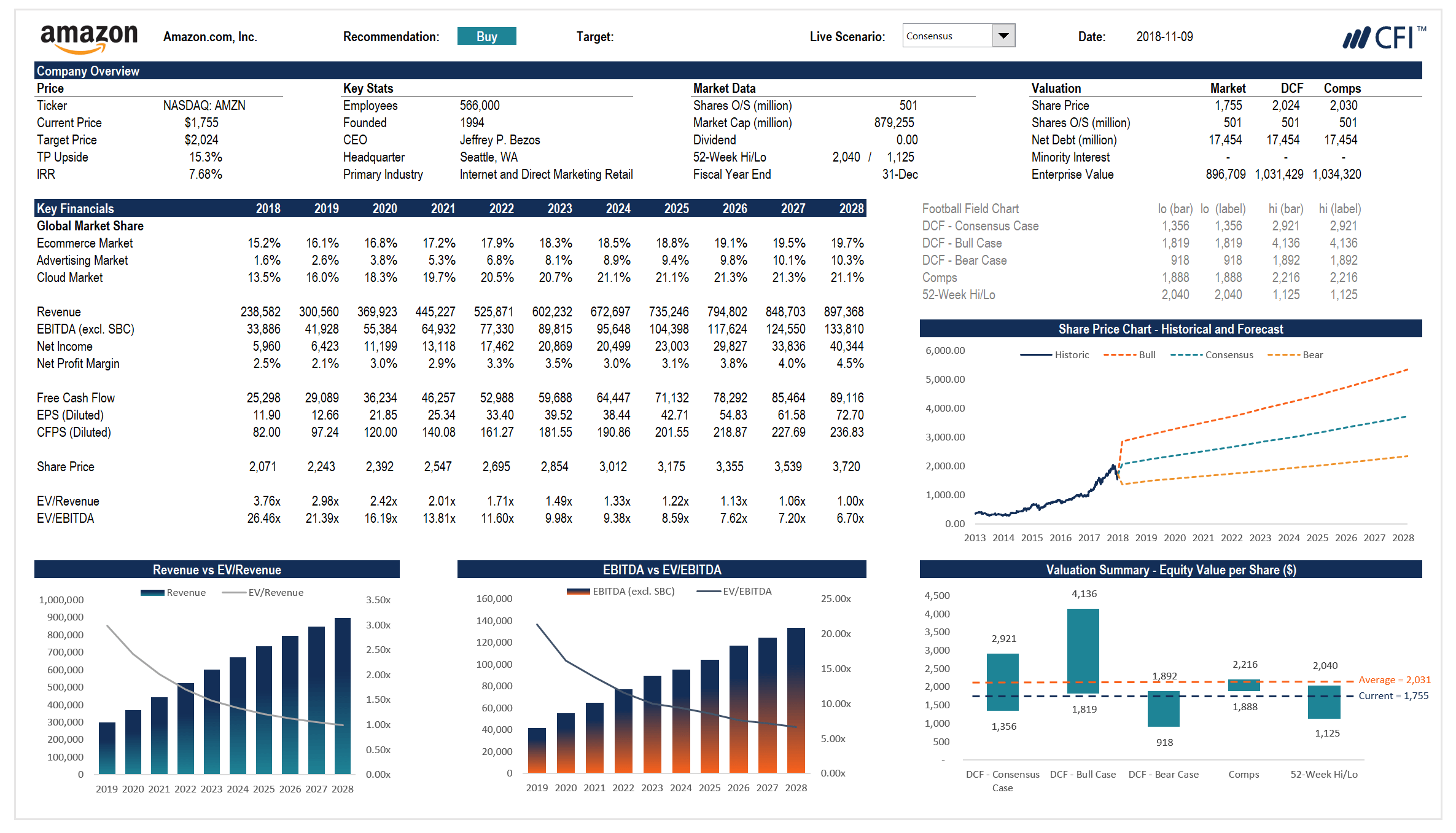
Navigating the complexities of the modern economic landscape requires more than just a keen eye for opportunities; it demands foresight and precision. This is where financial forecasting steps in as an indispensable tool for individuals and organizations alike. It's the art and science of predicting future financial outcomes based on historical data, current trends, and informed assumptions. By peering into what the financial future might hold, decision-makers can proactively strategize, allocate resources efficiently, and mitigate potential risks, transforming uncertainty into a tangible path towards growth.

Effective financial forecasting is not merely an academic exercise; it's a strategic imperative. It empowers businesses to set realistic goals, manage cash flow effectively, make informed investment decisions, and prepare for market fluctuations. For individuals, it provides a roadmap for personal finance, helping to plan for retirement, manage debt, and achieve long-term financial stability.
Ultimately, the ability to anticipate financial trends and events can be the differentiator between stagnation and significant advancement. It allows for the optimization of operations, the identification of new revenue streams, and the robust positioning against competitors. As we delve deeper, we will explore the methodologies, benefits, and practical applications that make financial forecasting a cornerstone of sound financial management and a catalyst for maximizing returns.
Understanding the Core of Financial Forecasting

What is Financial Forecasting?
At its heart, financial forecasting involves making informed estimates about future financial performance. These estimates are typically based on a combination of past financial data, current economic conditions, and projected future events. It's not about crystal-ball gazing, but rather a systematic process of analyzing patterns, identifying drivers, and making logical assumptions to predict variables such as revenue, expenses, profit, and cash flow. The precision of these forecasts can vary, but their utility lies in providing a framework for strategic planning and decision-making.
Why is Financial Forecasting Indispensable?
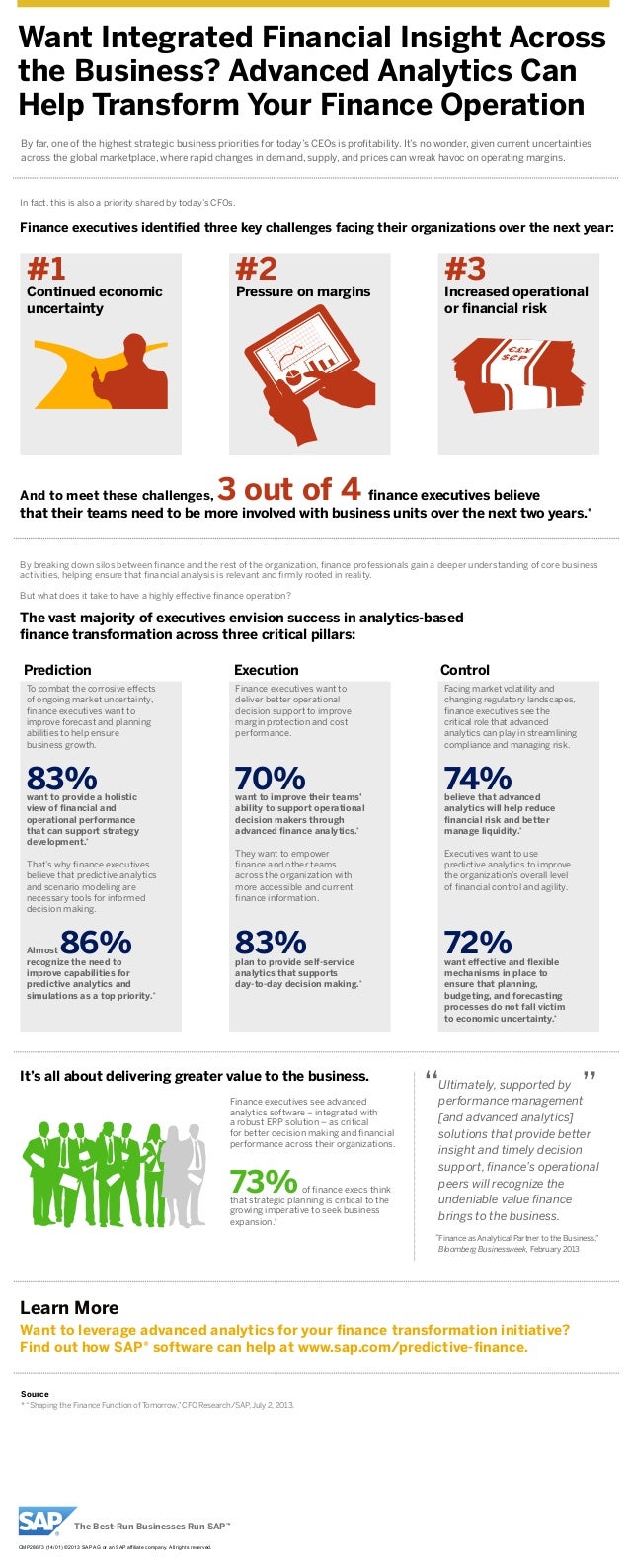
Financial forecasting serves multiple critical functions across an organization. Firstly, it facilitates budgeting and resource allocation. By predicting future inflows and outflows, companies can create more accurate budgets, ensuring that capital is deployed where it will yield the greatest return. Secondly, it is vital for strategic planning. Whether it's expanding into new markets, launching a new product, or investing in R&D, robust forecasts provide the financial viability assessment necessary for these long-term strategic moves. Thirdly, it significantly aids in risk management. By anticipating potential financial shortfalls or economic downturns, businesses can develop contingency plans, secure financing, or adjust operations proactively to minimize adverse impacts. Finally, accurate forecasts enhance investor confidence, demonstrating a clear understanding of the business's financial trajectory and its potential for growth, which is crucial for attracting and retaining capital.
Key Methodologies in Financial Forecasting
The realm of financial forecasting employs a variety of methods, each suited to different contexts and data availability. These methods generally fall into two broad categories: qualitative and quantitative.

Qualitative Forecasting Techniques
Qualitative methods are typically used when historical data is scarce or unreliable, or when significant external factors are at play that cannot be easily quantified. They rely heavily on expert judgment, intuition, and non-numerical information.
* Delphi Method: This technique involves soliciting forecasts from a panel of experts anonymously. Responses are summarized and fed back to the experts in several rounds, allowing them to refine their estimates based on the collective insights, leading to a consensus or narrowing of predictions.
* Market Research: Gathering opinions and intentions from customers, suppliers, and distributors through surveys, interviews, and focus groups can provide valuable insights into future demand and market trends.
* Sales Force Opinion: Sales teams, being on the front lines, often have direct knowledge of customer needs and competitive activities, making their collective forecasts a useful qualitative input.
* Executive Opinion: Top executives, with their broad understanding of the company and market, can provide high-level forecasts, especially for long-range planning.

Quantitative Financial Forecasting Models
Quantitative methods leverage historical data and mathematical models to predict future outcomes. They are more objective and are preferred when reliable historical data is available.

- Time Series Analysis: This approach assumes that historical patterns will repeat in the future.
- Moving Averages: Simple or weighted averages of past data points are used to smooth out short-term fluctuations and identify trends.
- Exponential Smoothing: Similar to moving averages but assigns greater weight to more recent observations, making it more responsive to changes.
- Trend Analysis: Involves identifying the underlying trend in historical data (linear, cyclical, seasonal) and extrapolating it into the future.
- Regression Analysis: This statistical method examines the relationship between a dependent variable (e.g., sales) and one or more independent variables (e.g., advertising spend, GDP growth). It helps to understand how changes in independent variables impact the dependent variable, allowing for more nuanced predictions.
- Econometric Models: These are sophisticated statistical models that use economic theory to explain and predict economic variables. They often incorporate multiple regression equations and account for interdependencies between various economic indicators.
The Step-by-Step Process of Effective Financial Forecasting
Executing effective financial forecasting involves a methodical approach, ensuring all relevant factors are considered and the predictions are as robust as possible.
Data Collection and Analysis
The foundational step is to gather accurate and relevant historical financial data, including income statements, balance sheets, and cash flow statements, along with operational data like sales volumes, customer acquisition costs, and production levels. Beyond internal data, external economic indicators such as GDP growth, inflation rates, interest rates, and industry-specific trends must also be collected and analyzed. This comprehensive data set forms the basis for identifying patterns, trends, and potential causal relationships.
Assumption Building and Model Selection
Once data is analyzed, the next crucial step is to formulate clear and realistic assumptions about future conditions. These assumptions might include projected sales growth rates, changes in operating costs, capital expenditure plans, and shifts in market dynamics. The choice of forecasting model (qualitative, quantitative, or a hybrid) depends on the nature of the data, the forecast horizon (short-term vs. long-term), and the specific objectives of the forecast. It’s essential to select models that best fit the data and the purpose, recognizing that different models may be better suited for different components of a financial forecast.
Monitoring and Adaptation
Financial forecasting is not a one-time event; it's an ongoing process. Once forecasts are generated, they must be continuously monitored against actual performance. Significant deviations between forecasted and actual results signal the need for re-evaluation. This involves reviewing the underlying assumptions, refining the models, and updating the forecasts. This iterative process of monitoring, adjusting, and refining ensures that the forecasts remain relevant and accurate in a dynamic economic environment, allowing for proactive course correction.
Common Challenges and Best Practices in Financial Forecasting
Despite its benefits, financial forecasting comes with its share of challenges. Recognizing these and adopting best practices can significantly enhance the accuracy and utility of forecasts.
Navigating Uncertainty and Data Limitations
One of the primary challenges is dealing with inherent uncertainty. The future is unpredictable, and unforeseen events (e.g., economic crises, technological disruptions, pandemics) can render even the most carefully constructed forecasts inaccurate. Another significant hurdle can be data limitations, including insufficient historical data, poor data quality, or the inability to gather relevant external market intelligence. Furthermore, human bias can unintentionally skew forecasts, as individuals might be overly optimistic or pessimistic.
Ensuring Accuracy and Relevance
To mitigate these challenges and improve accuracy, several best practices are vital. Firstly, use multiple forecasting methods and compare their results. This triangulation can provide a more robust and balanced view. Secondly, clearly document all assumptions and regularly review them for continued relevance. This transparency helps in understanding the basis of the forecast and identifying areas for adjustment. Thirdly, implement a rolling forecast system, which updates forecasts continuously (e.g., quarterly) for a fixed future period, rather than relying on annual, static budgets. This provides greater agility and responsiveness to changing conditions. Lastly, leverage technology – from advanced spreadsheets to specialized financial planning and analysis (FP&A) software – to automate data collection, model complex scenarios, and improve data visualization.
How Financial Forecasting Drives Maximized Returns
The ultimate goal of robust financial forecasting is to maximize an entity's financial returns. This is achieved through several strategic advantages it confers.
Strategic Decision-Making and Resource Allocation
By providing a clear view of potential future financial scenarios, financial forecasting empowers businesses to make more informed and strategic decisions. Should the company invest in a new product line, expand operations, or focus on cost cutting? Forecasts help answer these questions by quantifying potential returns and risks. This leads to more efficient resource allocation, ensuring capital, human resources, and time are directed towards initiatives with the highest expected ROI, thereby optimizing overall business performance.
Risk Mitigation and Opportunity Identification
One of the most powerful benefits of effective financial forecasting is its role in risk mitigation. By anticipating potential shortfalls in revenue or liquidity, companies can proactively seek financing, adjust spending, or diversify income streams, avoiding financial distress. Conversely, forecasting also helps in opportunity identification. Predicting an increase in demand for a specific product or service, for example, allows a company to ramp up production or marketing efforts in advance, seizing market share and capitalizing on emerging trends before competitors. This proactive stance directly translates into higher revenue and profit growth.
Enhancing Investor Confidence
For publicly traded companies or those seeking external funding, accurate and transparent financial forecasting is paramount for enhancing investor confidence. A well-articulated financial outlook demonstrates strong management, a clear strategic direction, and a solid understanding of market dynamics. This transparency can attract new investors, stabilize stock prices, and potentially reduce the cost of capital, directly contributing to the long-term maximization of shareholder returns.
Leveraging Technology for Superior Financial Forecasting
The digital age has revolutionized financial forecasting, making it more accessible, accurate, and powerful than ever before.
From Spreadsheets to Advanced Analytics
While spreadsheets like Excel remain fundamental tools for many businesses, their capabilities for complex, large-scale financial forecasting are often limited. They can be prone to errors, difficult to scale, and lack advanced analytical features. This has led to the adoption of specialized Financial Planning and Analysis (FP&A) software and Enterprise Resource Planning (ERP) systems. These platforms offer integrated data from various departments, automation of reporting, sophisticated scenario planning, and advanced modeling capabilities, significantly improving the efficiency and accuracy of forecasts.
The Rise of AI and Machine Learning in Financial Forecasting
The cutting edge of financial forecasting now involves Artificial Intelligence (AI) and Machine Learning (ML). These technologies can process vast amounts of data, identify intricate patterns that human analysts might miss, and make highly accurate predictions. ML algorithms can learn from historical data to adapt and improve their forecasts over time, accounting for complex non-linear relationships and external variables. For instance, predictive analytics powered by AI can forecast consumer behavior with greater precision, optimize inventory levels, and even predict market fluctuations, leading to significantly better financial outcomes and a true competitive advantage.
Conclusion
Financial forecasting is far more than just predicting numbers; it's a strategic discipline that underpins sound decision-making and sustainable growth. From understanding its fundamental purpose to employing diverse methodologies and navigating common challenges, the ability to anticipate future financial landscapes is invaluable. By embracing best practices, leveraging advanced technologies, and continuously refining assumptions, organizations and individuals can transform uncertainty into opportunity. The benefits—ranging from optimized resource allocation and proactive risk management to enhanced investor confidence and the strategic identification of growth opportunities—all coalesce to one undeniable outcome: the maximization of returns. In an increasingly dynamic world, mastering financial forecasting is not just an advantage; it's a necessity for thriving.