Mastering Risk Assessment Methodologies

Risk is an inherent and unavoidable aspect of virtually every endeavor, from the smallest daily tasks to the most complex global operations. Whether in business, technology, finance, or public safety, entities are constantly exposed to uncertainties that can significantly impact their objectives, assets, and reputation. Understanding and proactively addressing these uncertainties is not merely a best practice; it is a fundamental requirement for sustainable success and resilience. This crucial process of systematic identification, analysis, and evaluation of potential risks is precisely where risk assessment methodologies demonstrate their indispensable value. They provide the structured frameworks necessary to navigate the unpredictable landscape of modern challenges.

Effective risk management transcends mere crisis response; it demands a foresightful, systematic approach that anticipates potential pitfalls before they manifest. This proactive stance is precisely what robust risk assessment enables, empowering organizations to make informed, strategic decisions. By meticulously evaluating potential threats and opportunities, businesses can optimize resource allocation, enhance operational efficiency, and build a stronger, more adaptable foundation against unforeseen disruptions.
The absence of a structured methodology in risk assessment can lead to subjective interpretations, incomplete analyses, and a fragmented understanding of an organization's true risk exposure. Such an unmethodical approach leaves entities vulnerable, making them susceptible to significant financial losses, reputational damage, operational failures, and even legal ramifications. Conversely, the diligent application of proven methodologies ensures a consistent, comprehensive, and objective evaluation, transforming potential weaknesses into areas of strategic strength.

This article serves as a comprehensive guide to understanding and mastering risk assessment methodologies. We will explore the foundational principles that underpin effective risk assessment, delve into the distinct phases involved in the process, and examine a range of common methodologies employed across diverse industries. Our aim is to demystify these powerful tools, providing insights into how to select and implement the most appropriate techniques to fortify your organization against uncertainty and propel it towards its strategic objectives.

Understanding the Essence of Risk Assessment
At its core, risk assessment is the process of identifying potential hazards and analyzing what could happen if a hazard occurs. It involves evaluating the likelihood of an event taking place and the severity of its potential impact. The ultimate goal is to provide a clear picture of the risks an organization faces, enabling decision-makers to prioritize and manage these risks effectively. This process is not a one-time event but rather an iterative cycle, requiring continuous monitoring and review as circumstances change.

The importance of a structured approach to risk assessment cannot be overstated. It moves beyond intuition and guesswork, replacing them with a data-driven, systematic evaluation. This ensures that all significant risks are identified, their implications understood, and appropriate controls are put in place. From a strategic perspective, risk assessment supports organizational objectives by safeguarding assets, ensuring compliance with regulations, protecting personnel, and maintaining business continuity.
The Core Phases of Risk Assessment
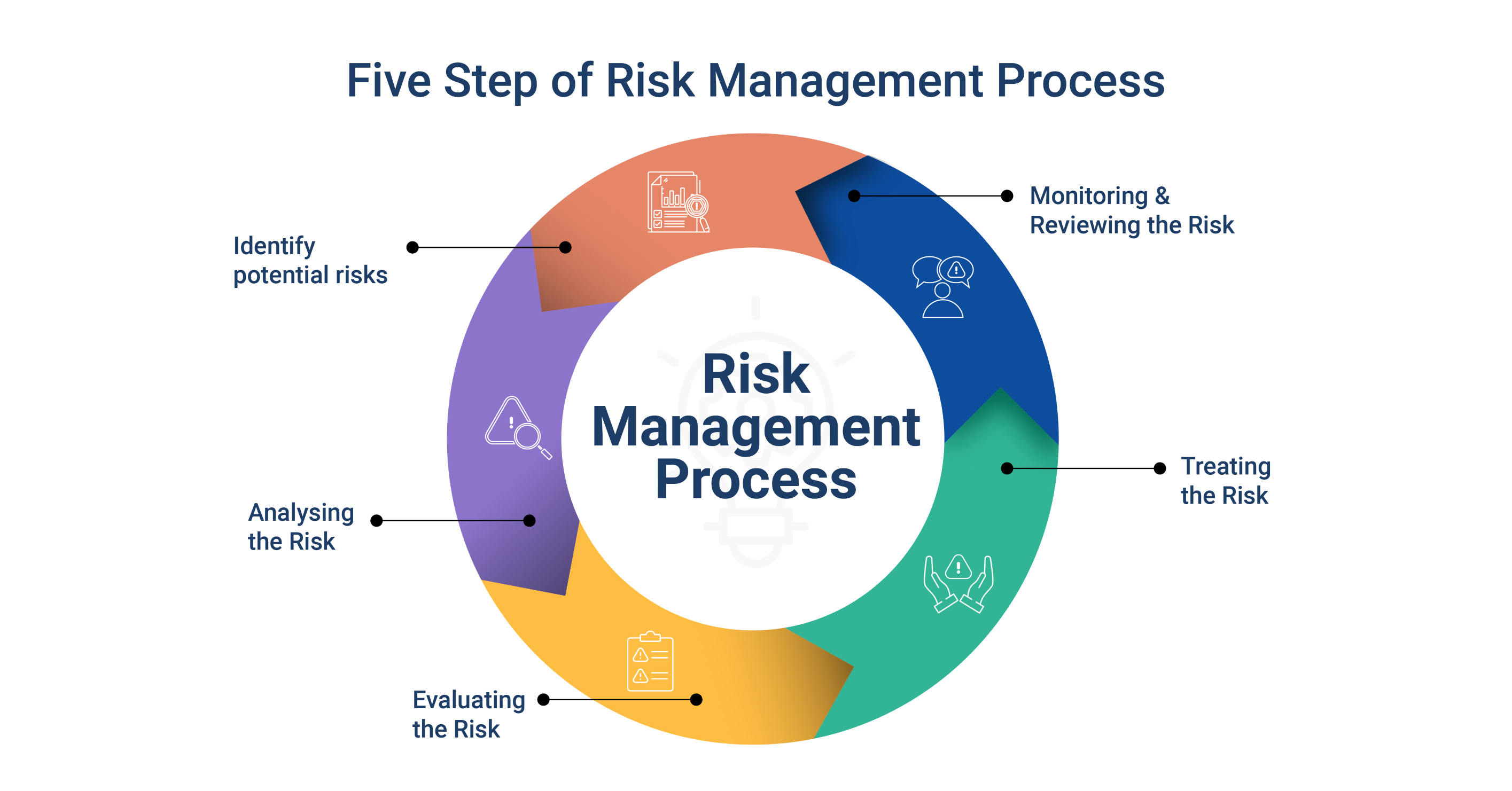
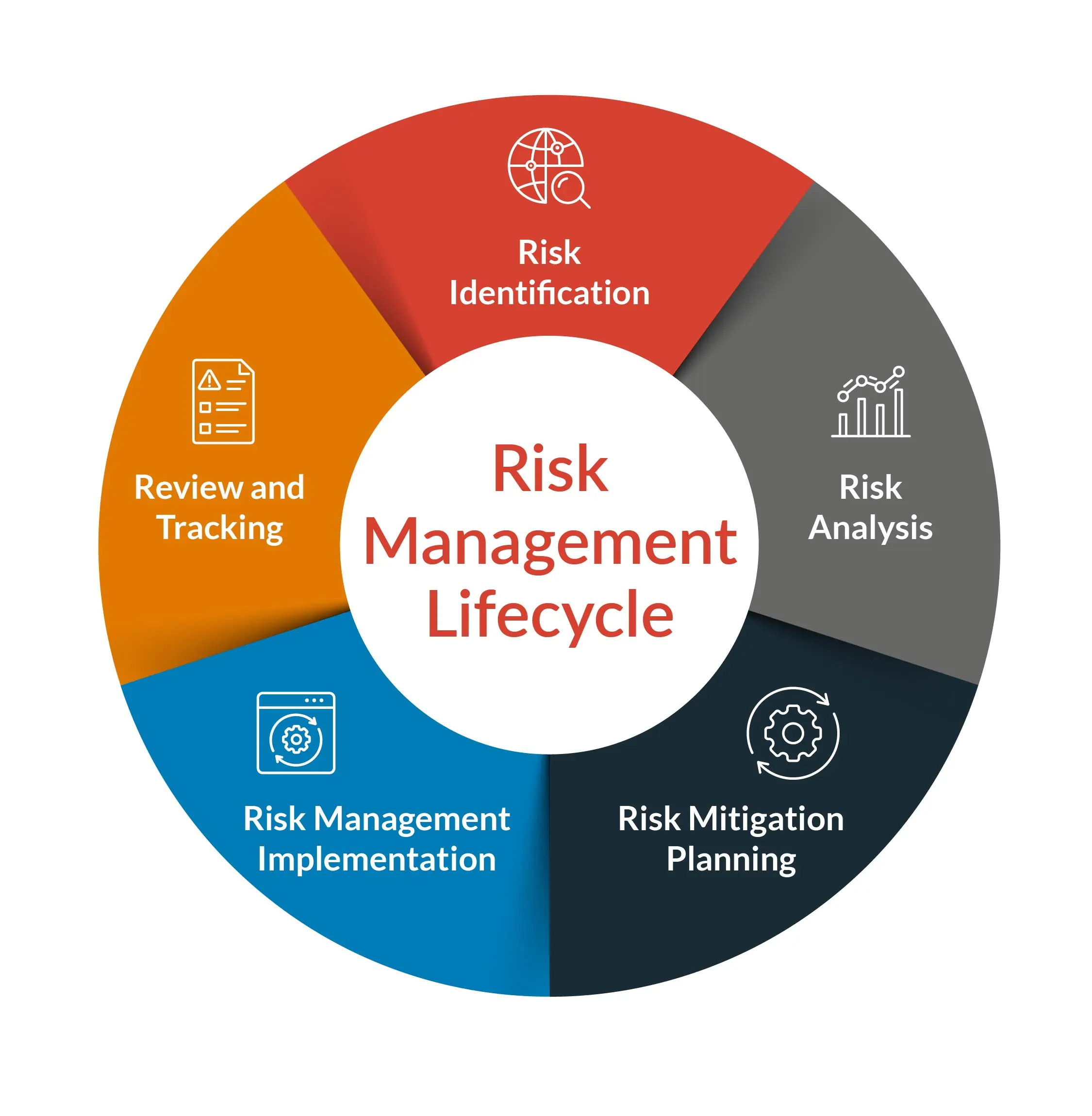
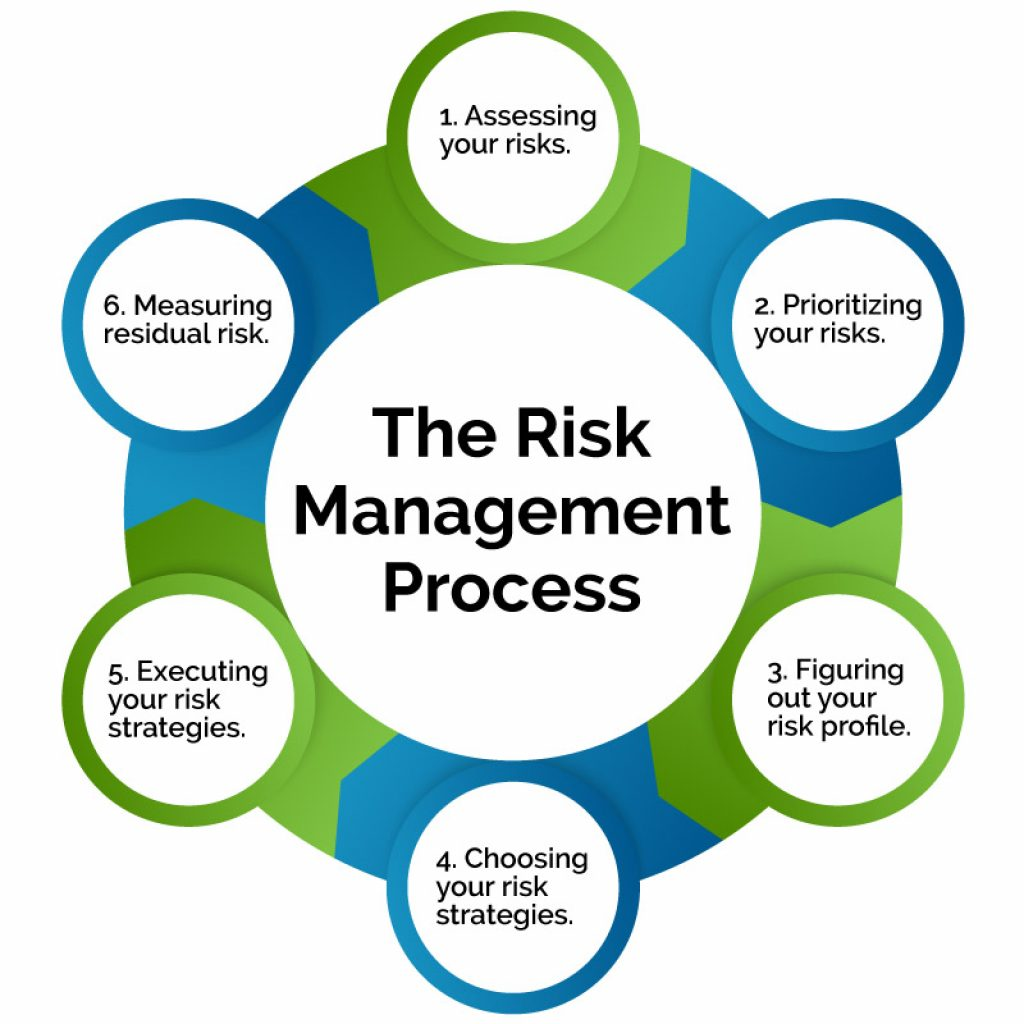
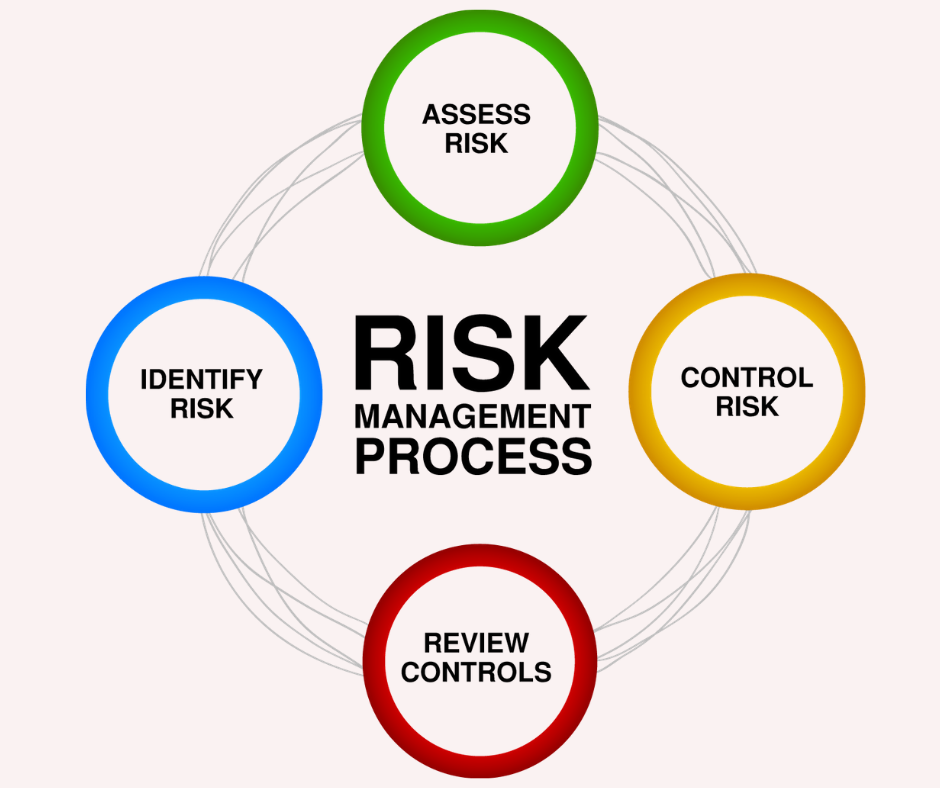
Regardless of the specific methodology employed, most risk assessments follow a logical progression through several key phases. These phases collectively form a cyclical process, emphasizing continuous improvement and adaptation.
Risk Identification
This initial phase is about systematically discovering, recognizing, and describing risks that could affect the achievement of objectives. It requires a thorough understanding of the context of the organization, its operations, its environment, and its strategic goals. Techniques for risk identification are varied and often include:
- Brainstorming and Workshops: Engaging diverse stakeholders to generate a comprehensive list of potential risks.
- Checklists and Historical Data Review: Leveraging past incidents, industry standards, and predefined risk categories.
- Process Mapping and Flowcharts: Analyzing operational sequences to pinpoint points of failure or vulnerability.
- Interviews and Surveys: Gathering insights from employees, experts, and affected parties.
- SWOT Analysis (Strengths, Weaknesses, Opportunities, Threats): Identifying internal factors that could exacerbate or mitigate risks, and external factors that pose threats or create opportunities.
The output of this phase is a comprehensive list of identified risks, often accompanied by initial descriptions of their potential causes and effects.

Risk Analysis
Once risks are identified, the next step is to understand their nature and characteristics in more detail. Risk analysis involves determining the likelihood of a risk event occurring and the potential impact if it does. This phase can be approached either qualitatively or quantitatively.
- Likelihood: Refers to the probability or frequency of a risk occurring. This can be expressed descriptively (e.g., rare, unlikely, moderate, likely, almost certain) or numerically (e.g., 1 in 100, 50% chance).
- Impact (or Consequence): Refers to the outcome or effect of a risk event. This can encompass financial loss, reputational damage, operational disruption, legal penalties, environmental harm, or harm to people. Impact can also be described qualitatively (e.g., insignificant, minor, moderate, major, catastrophic) or quantitatively (e.g., $10,000 loss, 3-day downtime).
The interplay between likelihood and impact helps in understanding the overall severity of a risk.
Risk Evaluation
Following analysis, risks are evaluated against predetermined criteria to determine their significance and to prioritize them. This involves comparing the level of risk found during the analysis phase with established risk criteria, which may include organizational risk appetite, legal requirements, stakeholder expectations, and cost-benefit considerations.
- Risk Ranking and Prioritization: Risks are typically ranked based on their calculated or assessed risk level (e.g., high, medium, low). This helps in allocating resources and developing treatment plans for the most critical risks first.
- Decision-Making: The evaluation phase guides decisions on which risks require treatment, which can be accepted, and which need further investigation.
Risk Treatment (Mitigation)
The final phase involves developing and implementing strategies to manage the identified and evaluated risks. Risk treatment, often referred to as risk mitigation, aims to modify risks to an acceptable level. Common strategies include:
- Risk Avoidance: Eliminating the activity or condition that gives rise to the risk.
- Risk Reduction/Mitigation: Implementing controls to decrease the likelihood or impact of a risk. This could involve process changes, technological solutions, training, or contingency planning.
- Risk Transfer: Shifting the burden of risk to another party, often through insurance or outsourcing.
- Risk Acceptance: Deciding to take no action to modify the risk, typically because the risk is deemed low, or the cost of mitigation outweighs the potential benefit.
This iterative process ensures that risk management is dynamic, responding to changes in the internal and external environment.
Qualitative vs. Quantitative Risk Assessment Methodologies
The choice between qualitative and quantitative approaches significantly impacts the depth, precision, and resource intensity of a risk assessment. Both have their place, and often, a combination of the two provides the most robust results.
Qualitative Risk Assessment
Qualitative risk assessment involves using descriptive scales and categories to assess likelihood and impact. Instead of numerical values, risks are typically described using terms like "low," "medium," "high" for both probability and consequence.
- Advantages:
- Simplicity and Speed: Easier and faster to conduct, especially in the early stages of a project or when data is scarce.
- Cost-Effective: Requires fewer resources and specialized tools.
- Versatility: Applicable to a wide range of situations where precise numerical data is difficult to obtain.
- Good for Initial Screening: Excellent for quickly identifying and prioritizing significant risks for further, more detailed analysis.
- Disadvantages:
- Subjectivity: Relies on expert judgment, which can introduce bias.
- Less Precision: Provides a general understanding rather than exact measurements.
- Difficulty in Comparison: Harder to compare risks across different categories or projects without a common metric.
Quantitative Risk Assessment
Quantitative risk assessment uses numerical values and statistical methods to analyze and express risk. This approach attempts to assign specific probabilities to risk events and monetary or numerical values to their impacts.
- Advantages:
- Objectivity and Precision: Provides a more objective and precise measure of risk, reducing ambiguity.
- Data-Driven: Based on measurable data, allowing for more robust analysis and forecasting.
- Facilitates Cost-Benefit Analysis: Enables direct comparison of risk mitigation costs against potential financial benefits of prevention.
- Supports Complex Decisions: Ideal for scenarios requiring detailed financial planning or resource allocation based on specific risk exposures.
- Disadvantages:
- Data Intensive: Requires significant amounts of reliable historical data, which may not always be available.
- Complexity: Can be complex to execute, often requiring specialized software, models, and analytical expertise.
- Resource Demanding: More time-consuming and expensive to conduct.
- Perceived Accuracy Bias: Can create a false sense of security due to the precise numbers, even if underlying assumptions are flawed.
Organizations often begin with a qualitative assessment to broadly categorize risks, then apply quantitative methods to a subset of high-priority risks that warrant deeper, more precise analysis.
Common Risk Assessment Methodologies and Their Applications
The landscape of risk assessment methodologies is rich and varied, with specific tools designed to suit different contexts, industries, and levels of detail. Here, we explore some of the most widely recognized and effective methodologies.
Risk Matrix (Likelihood/Impact Matrix)
The Risk Matrix is perhaps the most common and intuitive qualitative risk assessment tool. It plots identified risks on a two-dimensional grid, with likelihood on one axis and impact on the other. Each cell in the matrix is typically assigned a risk level (e.g., Low, Medium, High, Extreme) based on the intersection of likelihood and impact.
- Application: Widely used across all industries for initial risk screening, prioritization, and communication. It provides a quick visual overview of an organization's risk profile.
- Strengths: Simple to understand and implement, highly visual, good for communicating risk levels to non-experts.
- Limitations: Highly subjective, does not account for interconnected risks, and can lead to different interpretations without clear definitions of scales.
HAZOP (Hazard and Operability Study)
HAZOP is a systematic and structured qualitative technique used primarily in process industries (chemical, oil & gas, pharmaceutical) to identify potential hazards and operability problems. A multidisciplinary team systematically examines a process or system by applying a set of "guide words" (e.g., No, More, Less, Part Of, Reverse, Other Than) to process parameters (e.g., flow, temperature, pressure, level).
- Application: Design review of new plants, modifications to existing facilities, and detailed analysis of complex operational procedures.
- Strengths: Highly thorough, identifies subtle design and operational flaws, promotes team collaboration and shared understanding.
- Limitations: Time-consuming and resource-intensive, requires experienced facilitators and a knowledgeable team, best suited for well-defined systems.
FMEA (Failure Mode and Effects Analysis)
FMEA is a systematic, bottom-up qualitative methodology used to identify potential failure modes in a system, process, or product, and to assess their effects. For each potential failure mode, it identifies the potential causes and the resulting effects. Risks are typically prioritized using a Risk Priority Number (RPN), calculated as Likelihood x Severity x Detection.
- Application: Manufacturing, product development, software engineering, healthcare, and service industries. It's often used during design phases to prevent failures.
- Strengths: Proactive, identifies single points of failure, helps prioritize corrective actions, improves product/process reliability.
- Limitations: Can be time-consuming for complex systems, subjective RPN calculation can be misleading if not carefully managed, does not explicitly address human error or external factors well.
Bow-Tie Analysis
Bow-Tie Analysis is a visual and comprehensive method that integrates elements of both fault tree analysis (to identify causes) and event tree analysis (to identify consequences). It visually represents a risk event, showing the threats (causes) on the left leading to the central 'top event' (the risk occurring), and the consequences on the right. Crucially, it depicts the barriers and controls put in place to prevent the top event and mitigate its consequences.
- Application: Process safety, operational risk management, environmental risk management, and any area where understanding controls and barriers is critical.
- Strengths: Highly visual and easy to understand, clearly links causes to consequences, highlights critical barriers, good for training and communication.
- Limitations: Can oversimplify complex interactions, requires a good understanding of cause-effect relationships.
SWIFT (Structured What-If Technique)
SWIFT is a qualitative, workshop-based risk identification and assessment technique. It involves a multidisciplinary team systematically asking "what if" questions about a system, process, or project. These questions stimulate discussions about potential deviations from normal operation, their causes, and their consequences.
- Application: Initial hazard identification, project risk assessment, operational reviews, and situations where a quick, high-level overview is needed.
- Strengths: Quick to conduct, encourages creative thinking, requires fewer resources than HAZOP, good for identifying a broad range of risks.
- Limitations: Less rigorous than HAZOP, results depend heavily on the experience and insight of the team, may miss subtle risks.
Preliminary Hazard Analysis (PHA)
PHA is an early, high-level qualitative technique used to identify potential hazards and their associated risks in the initial stages of a system's development or a project's lifecycle. It aims to identify major hazards, hazardous conditions, and accident scenarios, along with potential safety and health effects.
- Application: Conceptual design phase of projects, new product development, system modifications, or when evaluating new technologies.
- Strengths: Performed early, influences design decisions proactively, relatively quick and inexpensive.
- Limitations: High-level, may miss detailed hazards, relies heavily on expert judgment.
These methodologies are not mutually exclusive; indeed, organizations often combine elements from several to create a tailored and robust risk management framework.
Selecting the Optimal Risk Assessment Methodology
Choosing the right risk assessment methodology is crucial for its effectiveness and efficiency. The optimal choice depends on several factors:
- Nature and Complexity of the Risk: Simple, isolated risks might only require a basic risk matrix, while complex, interdependent risks in high-stakes environments demand more rigorous methods like HAZOP or Bow-Tie analysis.
- Available Data and Information: Quantitative methods require robust data. If data is scarce or unreliable, qualitative approaches might be more appropriate initially.
- Resources (Time, Budget, Expertise): Some methodologies are significantly more time-consuming and expensive, requiring specialized facilitators and tools. The available budget and the expertise of the assessment team will heavily influence the choice.
- Purpose of the Assessment: Is the goal broad identification, detailed analysis, regulatory compliance, or communication to stakeholders? Different methodologies serve different purposes best.
- Organizational Culture and Maturity: A culture that values detailed analysis and has the maturity to implement complex processes might adopt more sophisticated methodologies. Conversely, a simpler approach might be better for organizations just starting their risk management journey.
- Regulatory and Compliance Requirements: Certain industries or regulations may mandate specific risk assessment methodologies (e.g., HAZOP in process safety).
A common strategy is to employ a tiered approach: starting with broad qualitative methods for initial screening, followed by more focused and quantitative methods for high-priority risks.
Benefits of Employing Robust Risk Assessment Methodologies
Implementing well-chosen and diligently applied risk assessment methodologies yields a multitude of benefits for any organization:
- Improved Decision-Making: By providing clear insights into potential threats and opportunities, risk assessment empowers leaders to make more informed, strategic decisions.
- Enhanced Resource Allocation: Understanding which risks are most significant allows for the efficient allocation of financial, human, and technological resources to areas where they can have the greatest impact.
- Increased Resilience and Business Continuity: Proactive risk identification and mitigation build organizational resilience, enabling quicker recovery from disruptions and ensuring business continuity.
- Regulatory Compliance: Many industries have strict regulatory requirements concerning risk management. Robust methodologies help ensure adherence to these standards, avoiding penalties and legal issues.
- Improved Safety and Security: For operational risks, effective assessment directly leads to safer working environments and enhanced physical and cyber security measures.
- Enhanced Stakeholder Confidence: Demonstrating a structured approach to risk management builds trust among investors, customers, employees, and other stakeholders, enhancing reputation and credibility.
- Cost Savings: By preventing incidents, minimizing their impact, and optimizing insurance premiums, effective risk management can lead to significant cost reductions.
Challenges and Best Practices in Applying Risk Assessment Methodologies
While the benefits are substantial, applying risk assessment methodologies is not without its challenges. However, adopting best practices can help overcome these hurdles.
Challenges:
- Data Availability and Quality: A lack of reliable historical data or accurate current information can hamper the effectiveness of quantitative assessments.
- Subjectivity and Bias: Qualitative methods, while flexible, can be influenced by individual perceptions, leading to inconsistent results.
- Complexity and Resource Demands: Sophisticated methodologies require significant time, expertise, and potentially specialized software, which may strain organizational resources.
- Lack of Expertise: Performing complex risk assessments requires trained personnel and experienced facilitators.
- Siloed Approach: Risk assessment can become fragmented if not integrated across different departments or business units, leading to missed interdependencies.
- "Check-the-Box" Mentality: Viewing risk assessment as a mere compliance exercise rather than a value-adding process undermines its true potential.
Best Practices:
- Define Clear Scope and Objectives: Before starting, clearly articulate what the assessment aims to achieve, its boundaries, and the level of detail required.
- Assemble a Multidisciplinary Team: Involve individuals with diverse expertise and perspectives from across the organization to ensure a comprehensive view of risks.
- Establish Clear Risk Criteria: Define what constitutes "low," "medium," and "high" likelihood and impact specifically for your organization and context.
- Promote Open Communication and Culture: Foster an environment where employees feel comfortable reporting potential risks without fear of blame.
- Regular Review and Updates: Risk landscapes are dynamic. Conduct periodic reviews and update assessments to reflect changes in operations, technology, regulations, and external environments.
- Integrate with Management Systems: Embed risk assessment into existing business processes, strategic planning, project management, and operational decision-making.
- Document Thoroughly: Maintain clear records of identified risks, assessments, mitigation plans, and review dates for transparency, accountability, and continuous improvement.
- Invest in Training: Provide adequate training for personnel involved in risk assessment to ensure they understand the methodologies and their application.
Conclusion
Mastering risk assessment methodologies is no longer a niche skill but a critical competency for any organization striving for long-term success and resilience in today's unpredictable world. These structured frameworks provide the essential tools to systematically identify, analyze, evaluate, and treat potential threats, transforming uncertainty into manageable challenges. From the simplicity of the Risk Matrix for broad initial screening to the rigorous detail of HAZOP for complex industrial processes, the diverse range of available methodologies offers solutions tailored to virtually every context and need.
By embracing a proactive approach to risk, organizations can move beyond reactive problem-solving, safeguarding their assets, reputation, and strategic objectives. The benefits extend beyond mere compliance, fostering a culture of informed decision-making, optimizing resource allocation, and ultimately building a more robust and adaptable enterprise. While challenges exist, a commitment to best practices—including clear scoping, multidisciplinary collaboration, continuous review, and integration with broader management systems—will ensure that risk assessment remains a dynamic and invaluable driver of organizational value and sustainable growth. The journey to mastering these methodologies is an ongoing one, but it is an investment that consistently pays dividends in greater security, efficiency, and peace of mind.